

NEW PRODUCTS
Browse our selection of newest, hottest products to hit the market. From hard-to-find beauty tools, innovative skincare products, and new releases, askderm has you covered. Freshen up your skin care routine with one of our newest Beauty Tools, moisturizers, toners or serums today from hot brands like Amala, and eraclea. New products are frequently added such as High on Love Sensual Bath Salts and évolis Professional Hair Health Supplement let there be hair, highlighting trends in skincare and health & wellness ... so check back often!
Refine

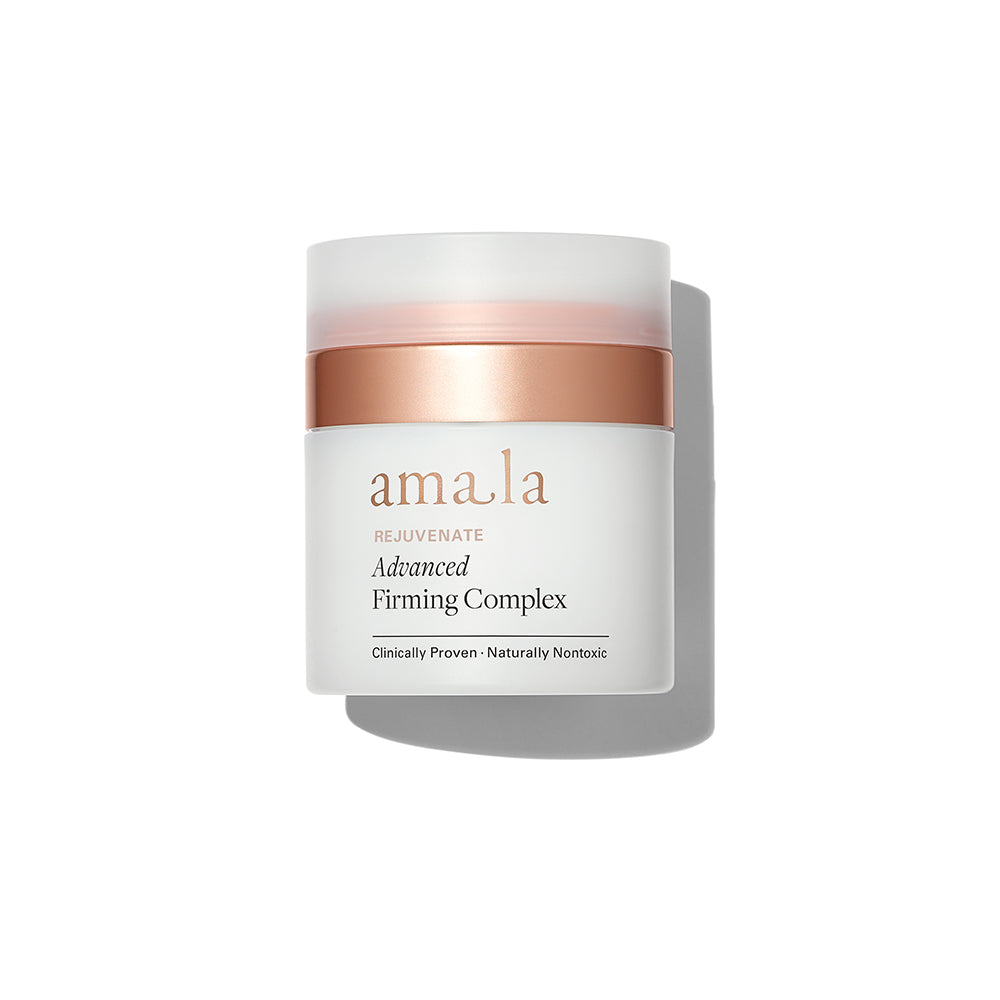
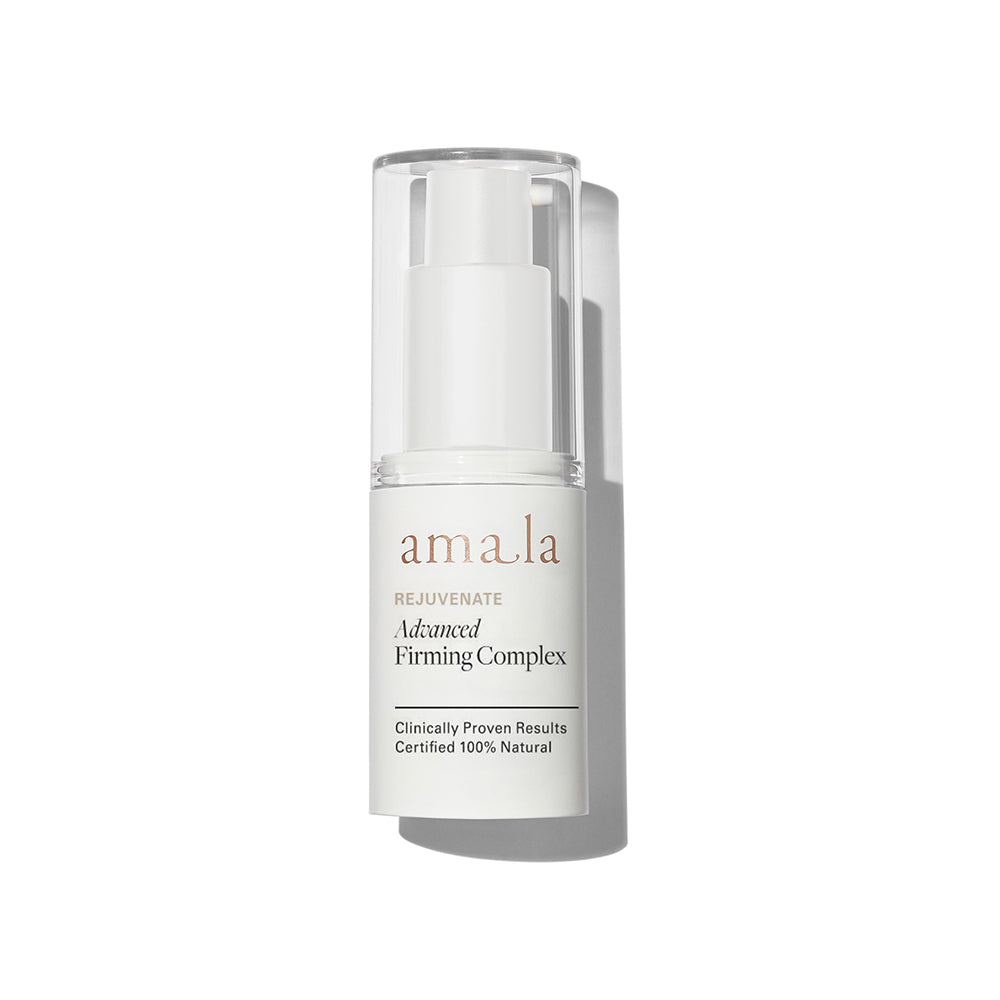
Amala Advanced Firming Complex
- Regular
- from $78.00
- Sale
- from $78.00
- Regular
-
- Unit Price
- per

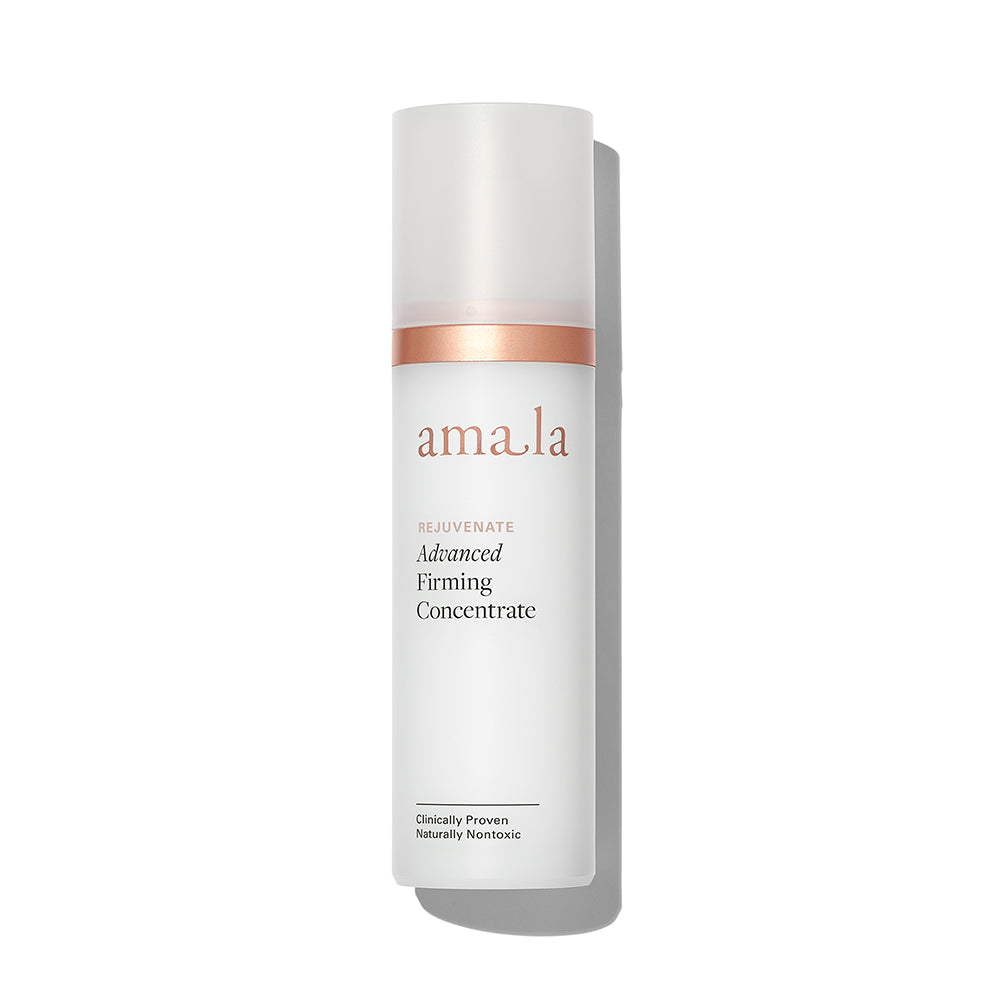
Amala Advanced Firming Concentrate
- Regular
- $298.00
- Sale
- $298.00
- Regular
-
- Unit Price
- per

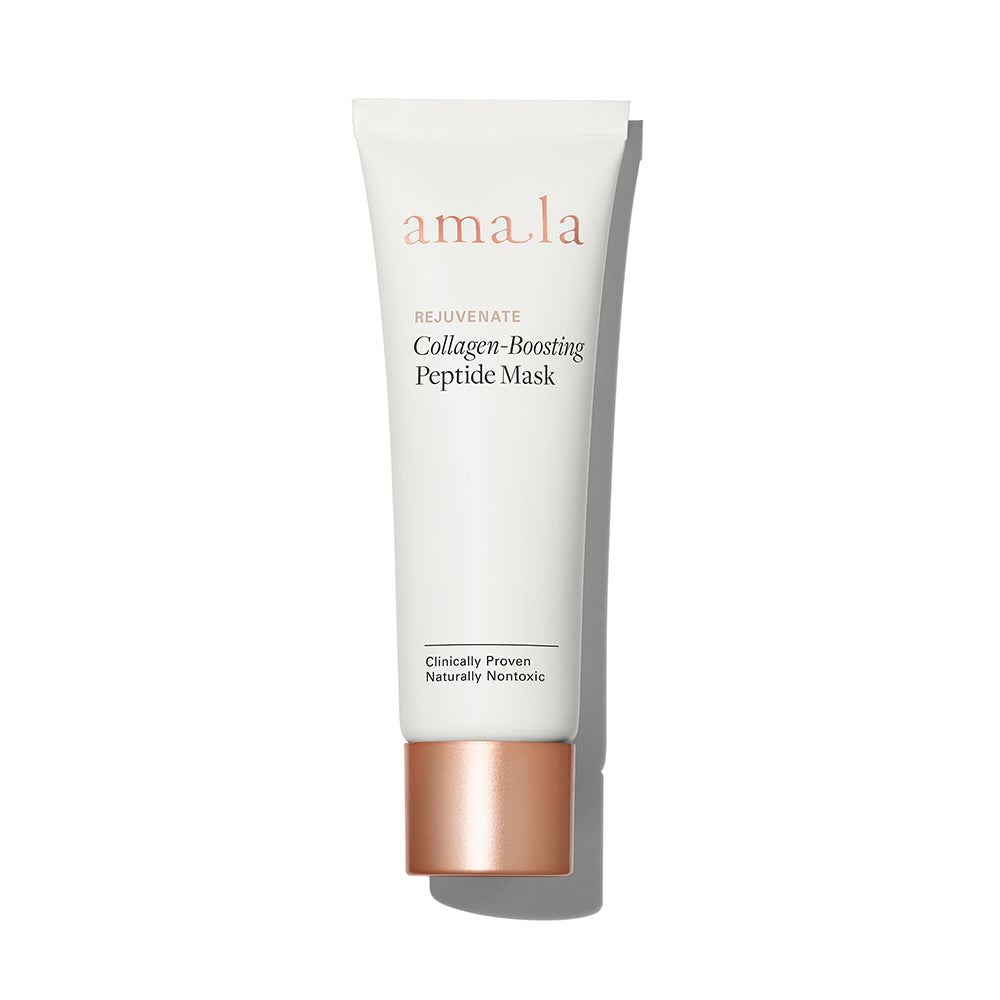
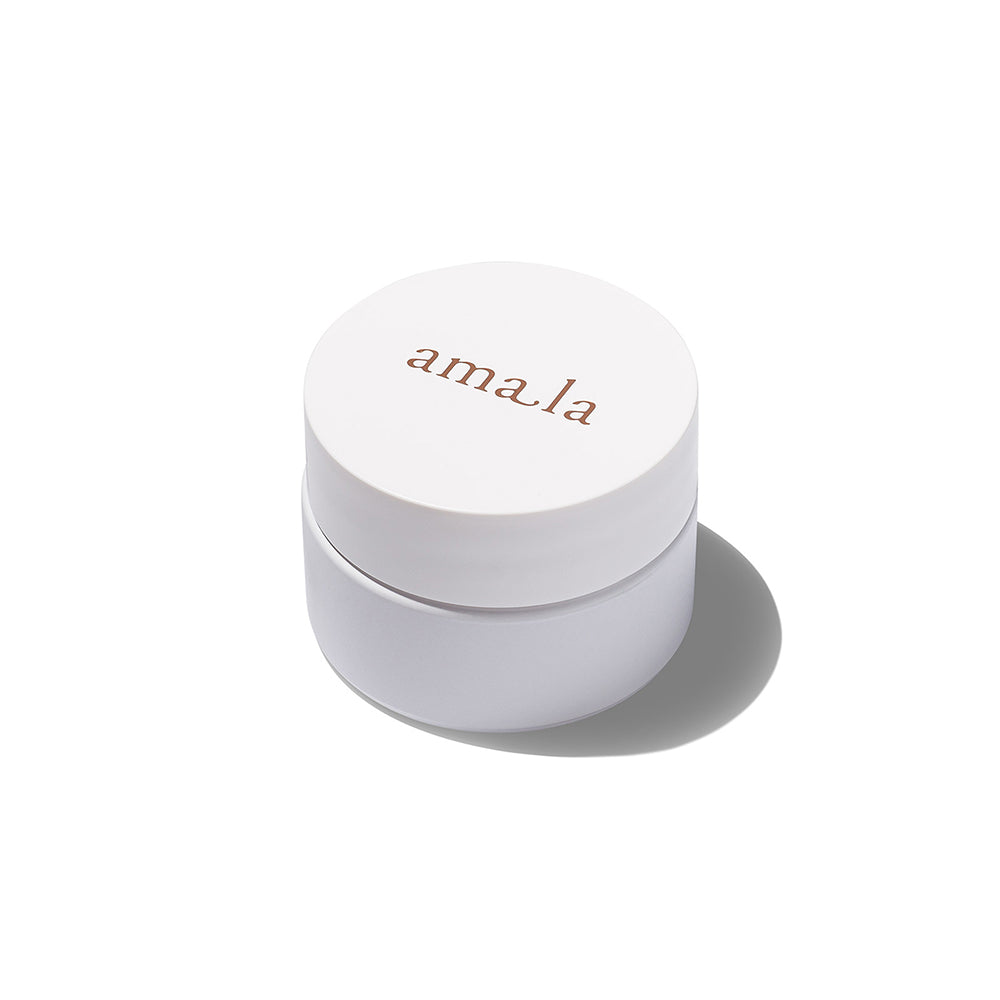
Amala Collagen-Boosting Peptide Mask
- Regular
- from $28.00
- Sale
- from $28.00
- Regular
-
- Unit Price
- per

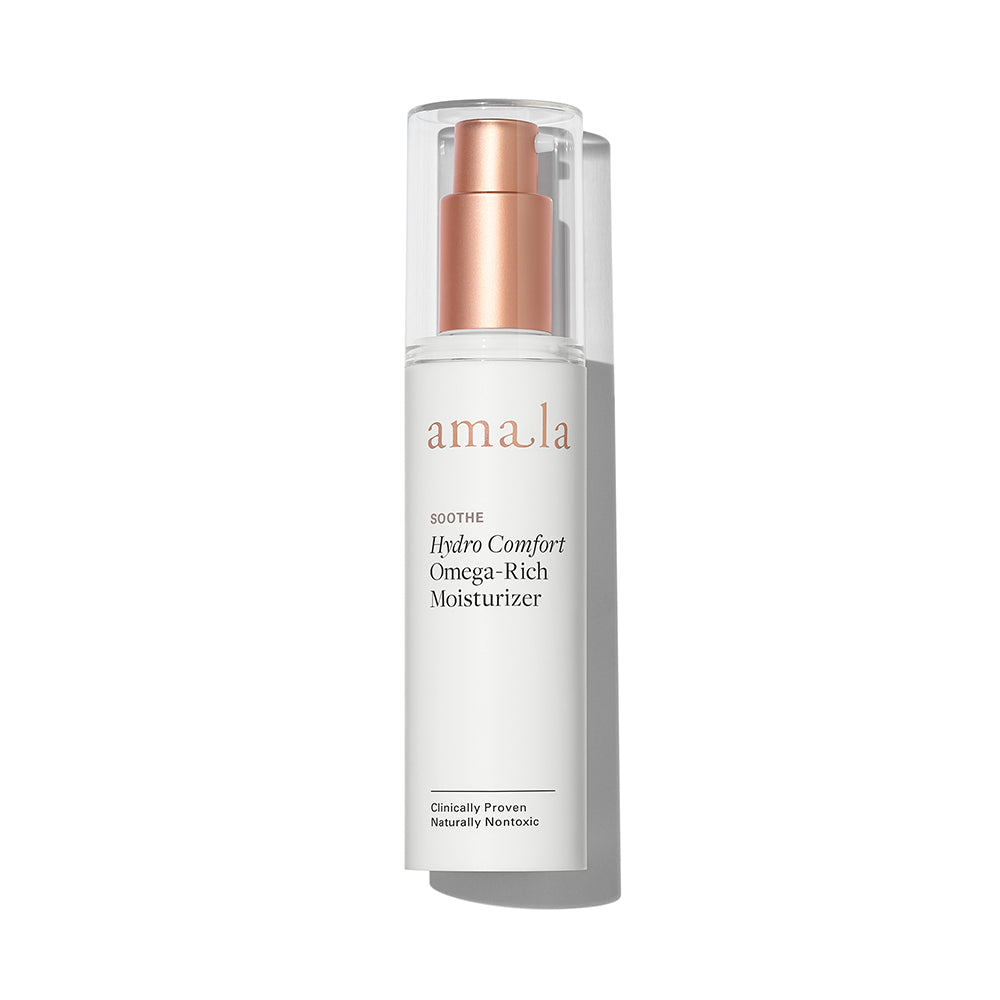
Amala Hydro Comfort Omega-Rich Moisturizer
- Regular
- $96.00
- Sale
- $96.00
- Regular
-
- Unit Price
- per

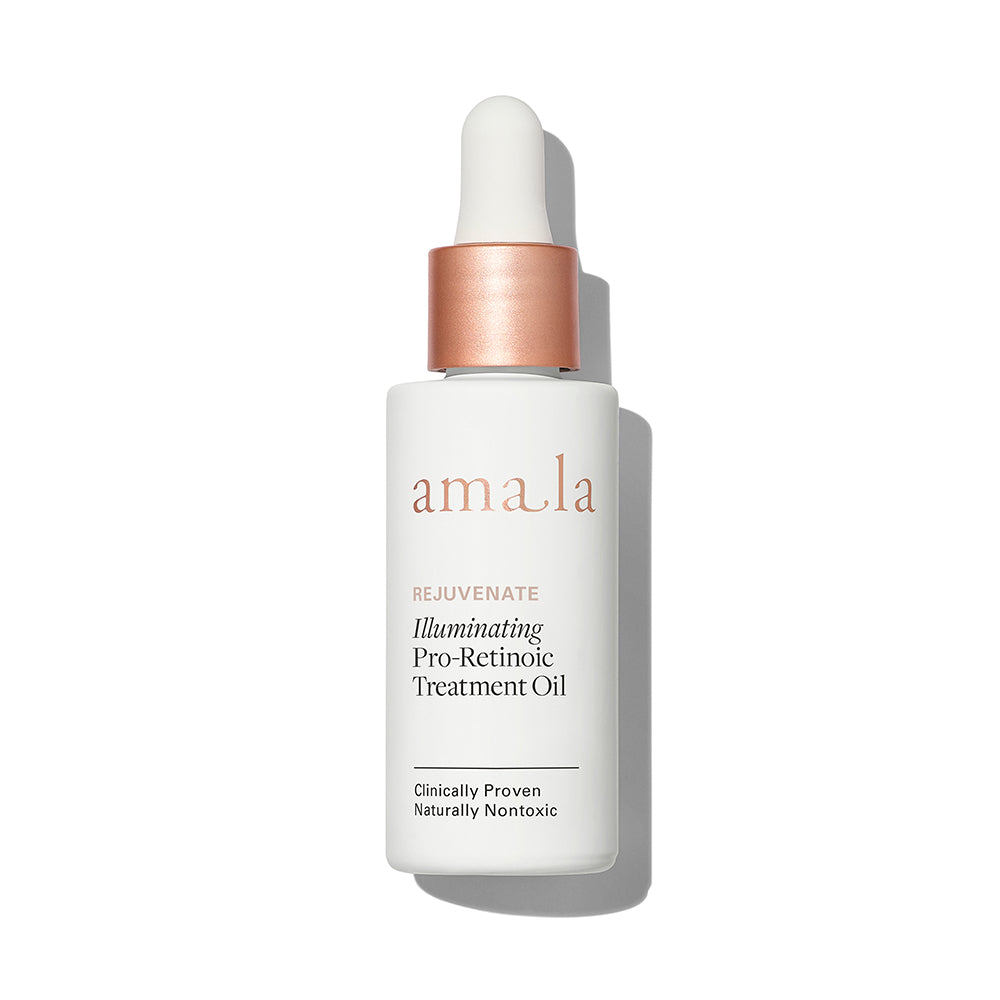
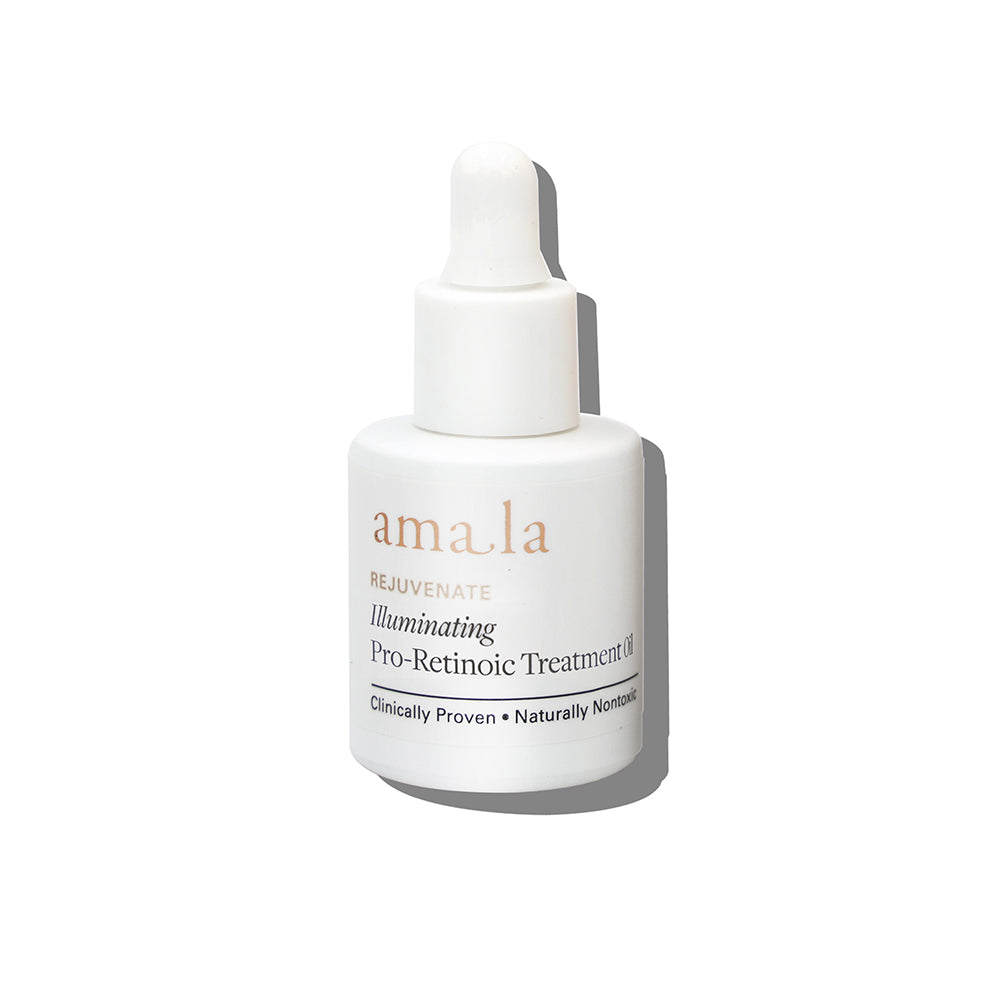
Amala Illuminating Pro-Retinoic Treatment Oil
- Regular
- from $58.00
- Sale
- from $58.00
- Regular
-
- Unit Price
- per

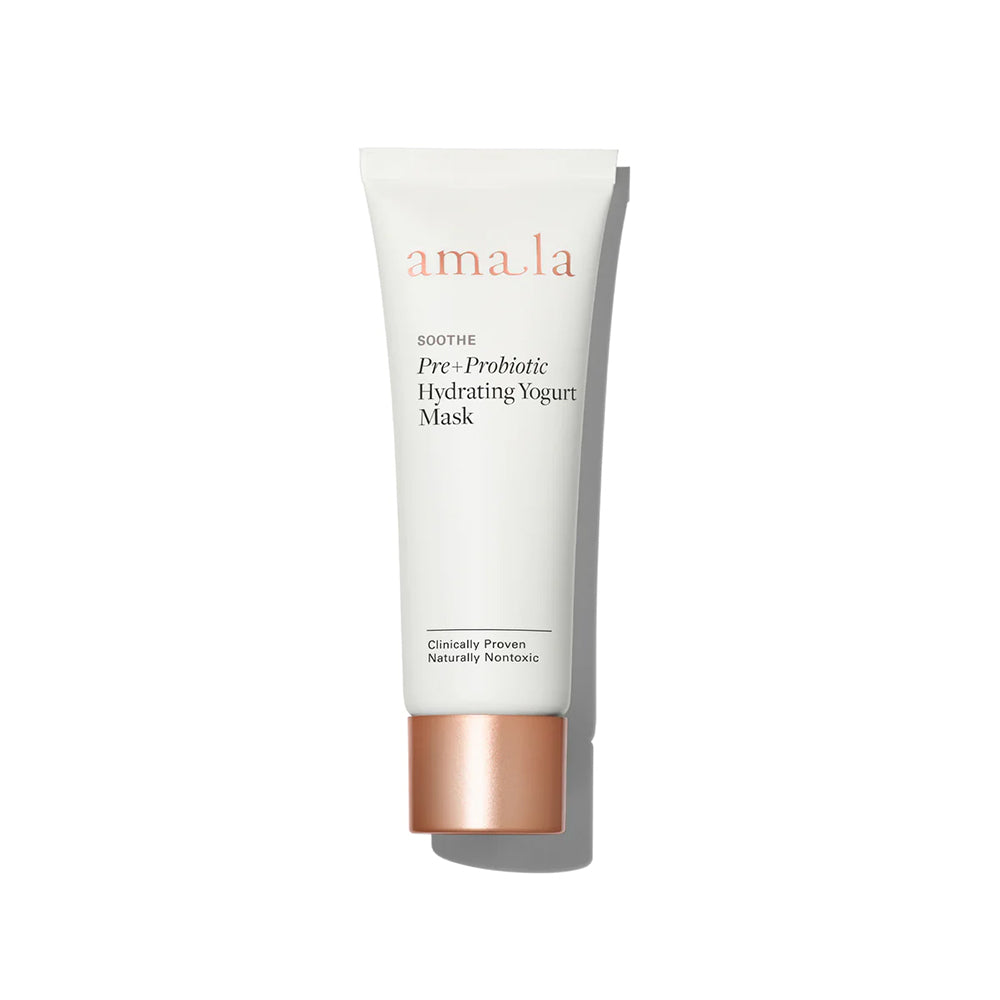
Amala Pre+Probiotic Hydrating Yogurt Mask
- Regular
- $68.00
- Sale
- $68.00
- Regular
-
- Unit Price
- per

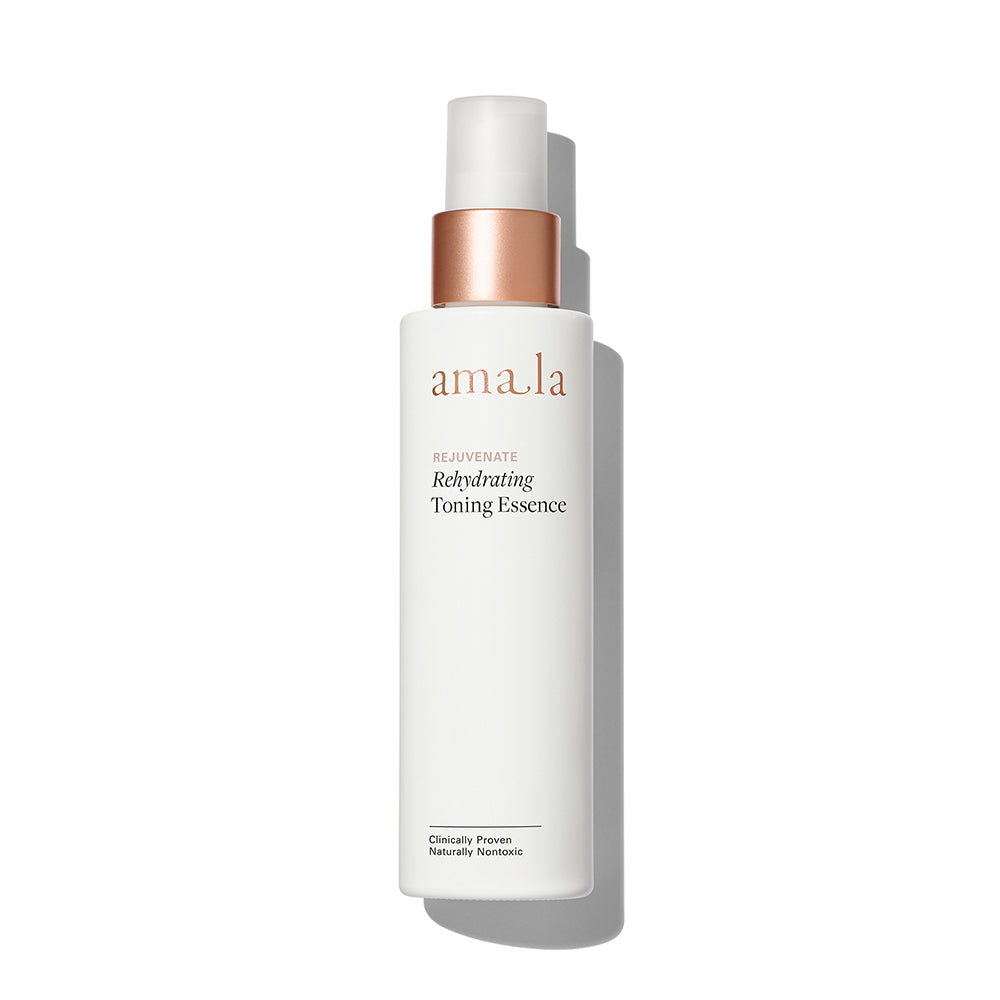
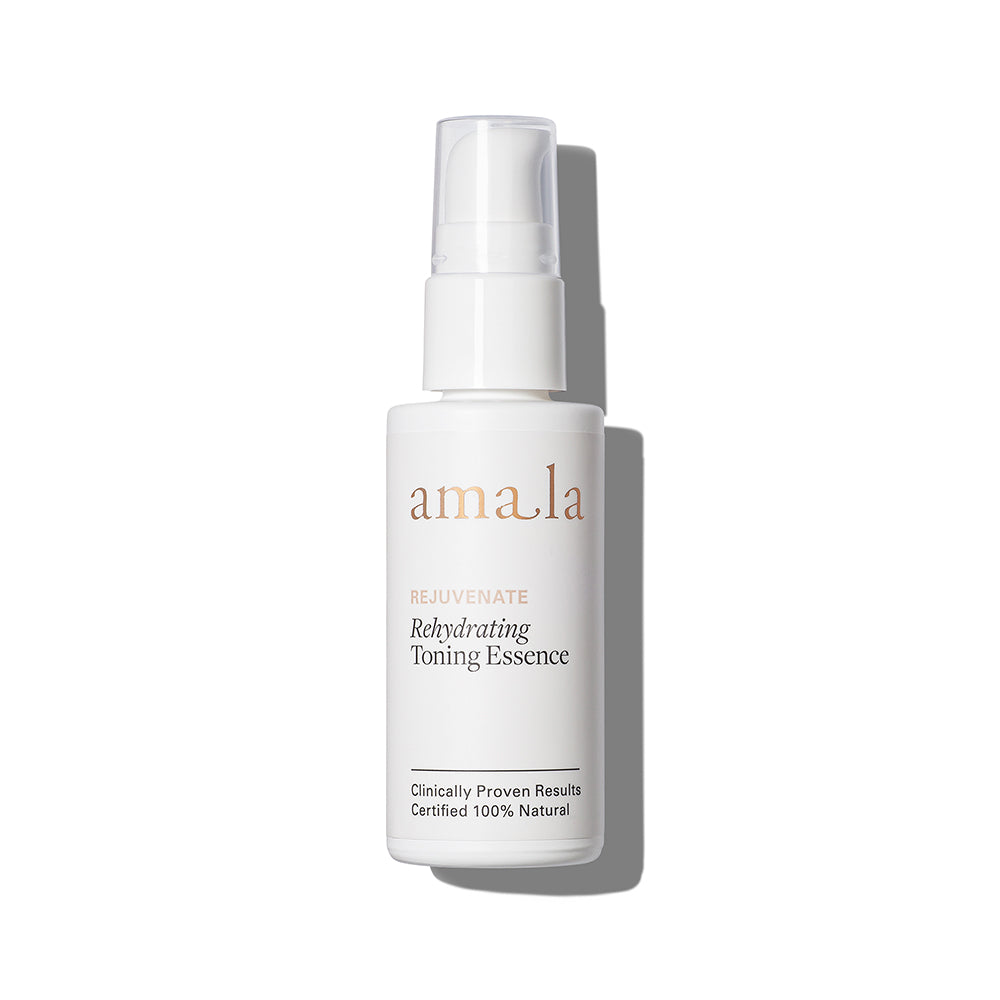
Amala Rehydrating Toning Essence
- Regular
- from $28.00
- Sale
- from $28.00
- Regular
-
- Unit Price
- per

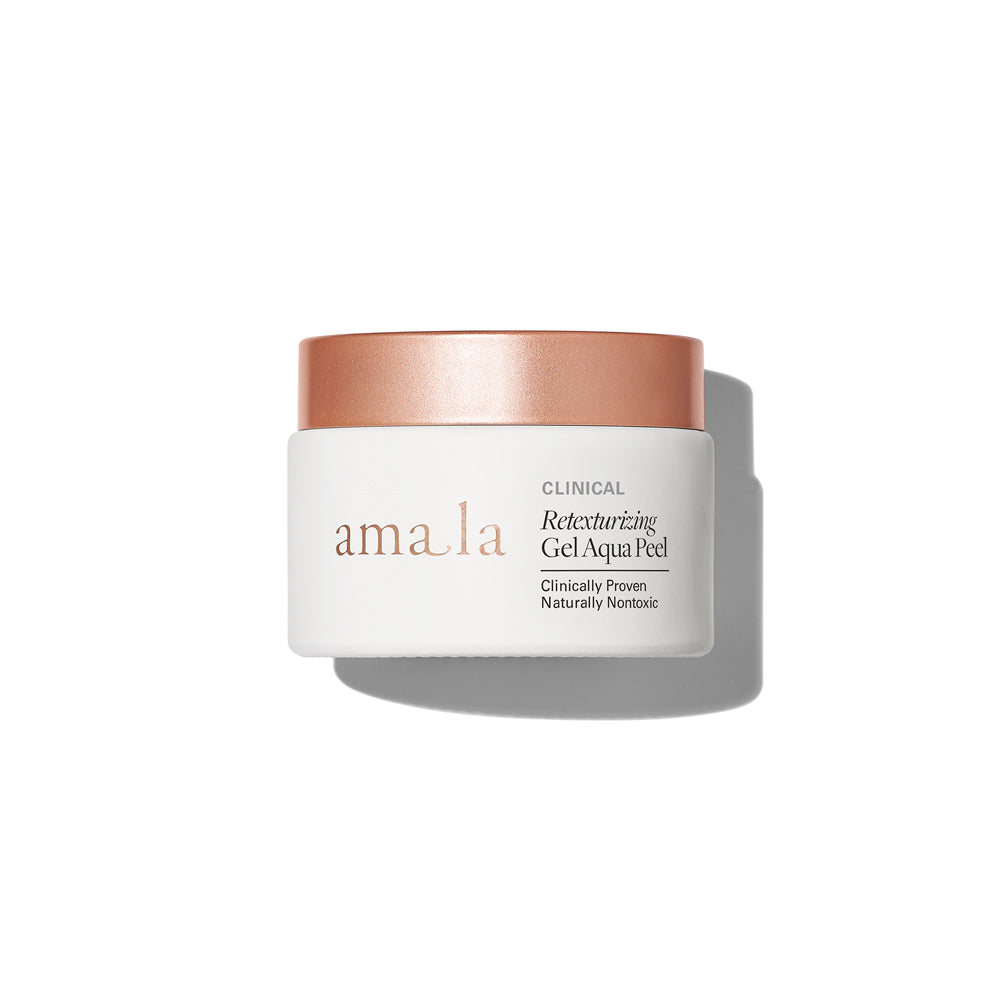
Amala Retexturizing Gel Aqua Peel
- Regular
- $88.00
- Sale
- $88.00
- Regular
-
- Unit Price
- per

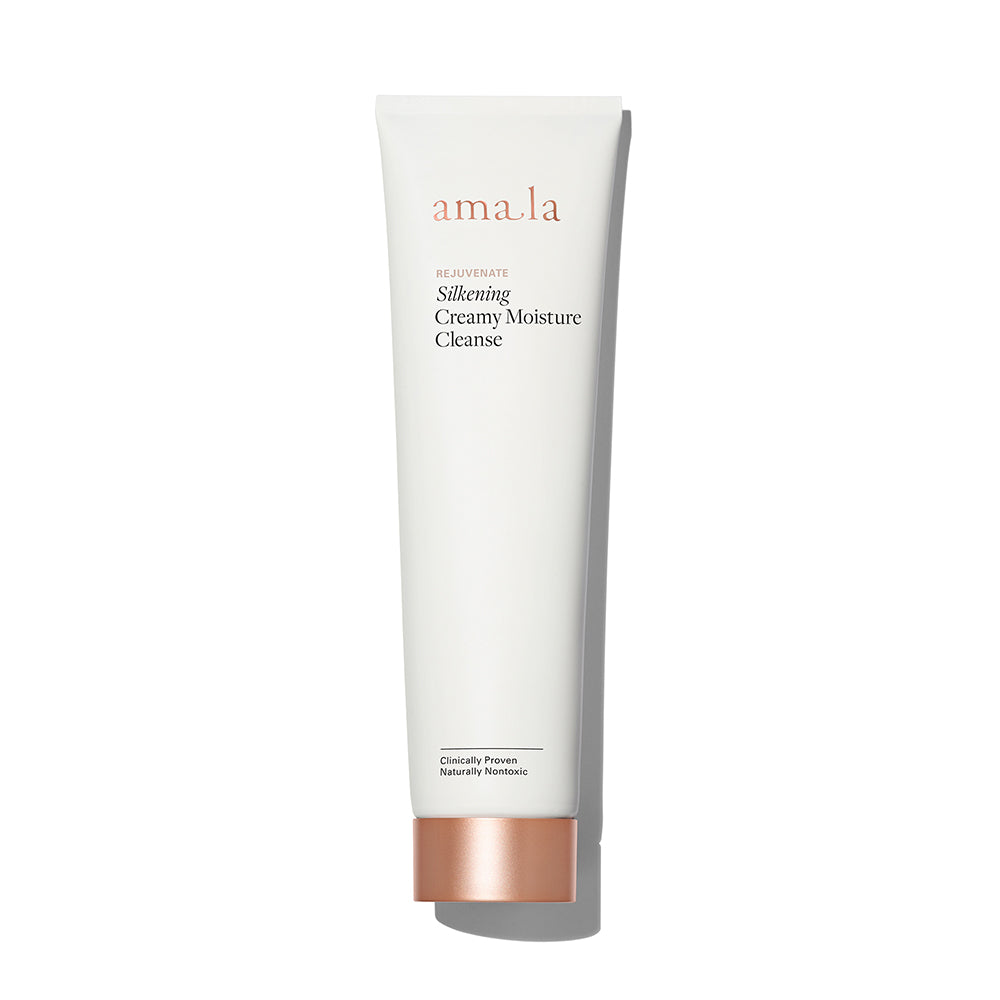
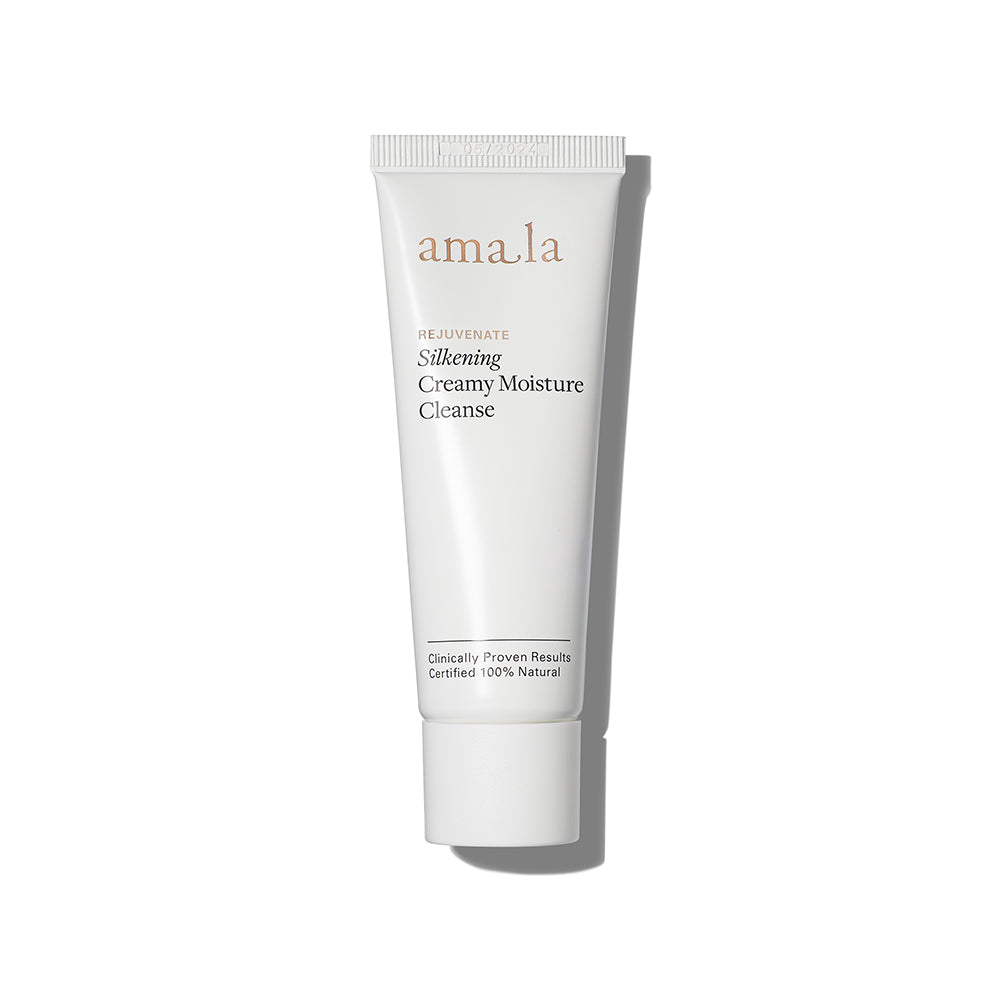
Amala Silkening Creamy Moisture Cleanse
- Regular
- from $30.00
- Sale
- from $30.00
- Regular
-
- Unit Price
- per

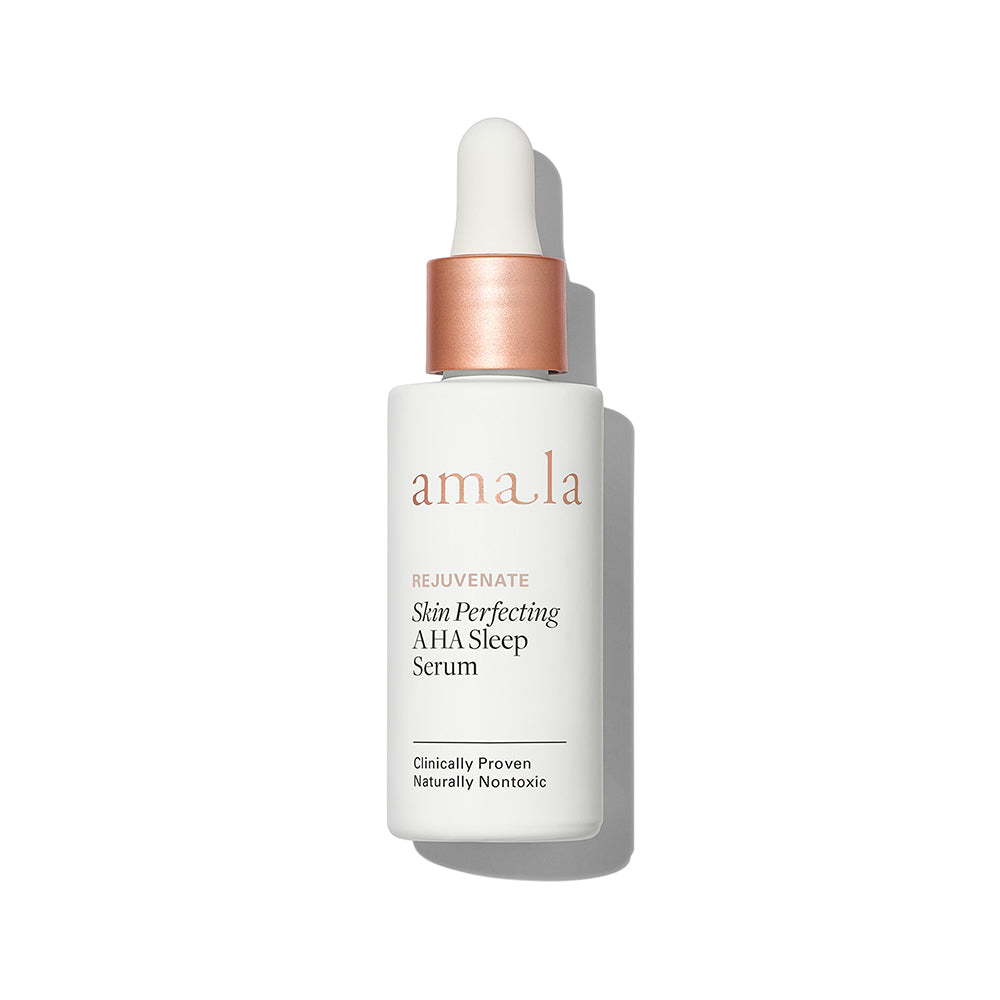
Amala Skin Perfecting AHA Sleep Serum
- Regular
- $188.00
- Sale
- $188.00
- Regular
-
- Unit Price
- per

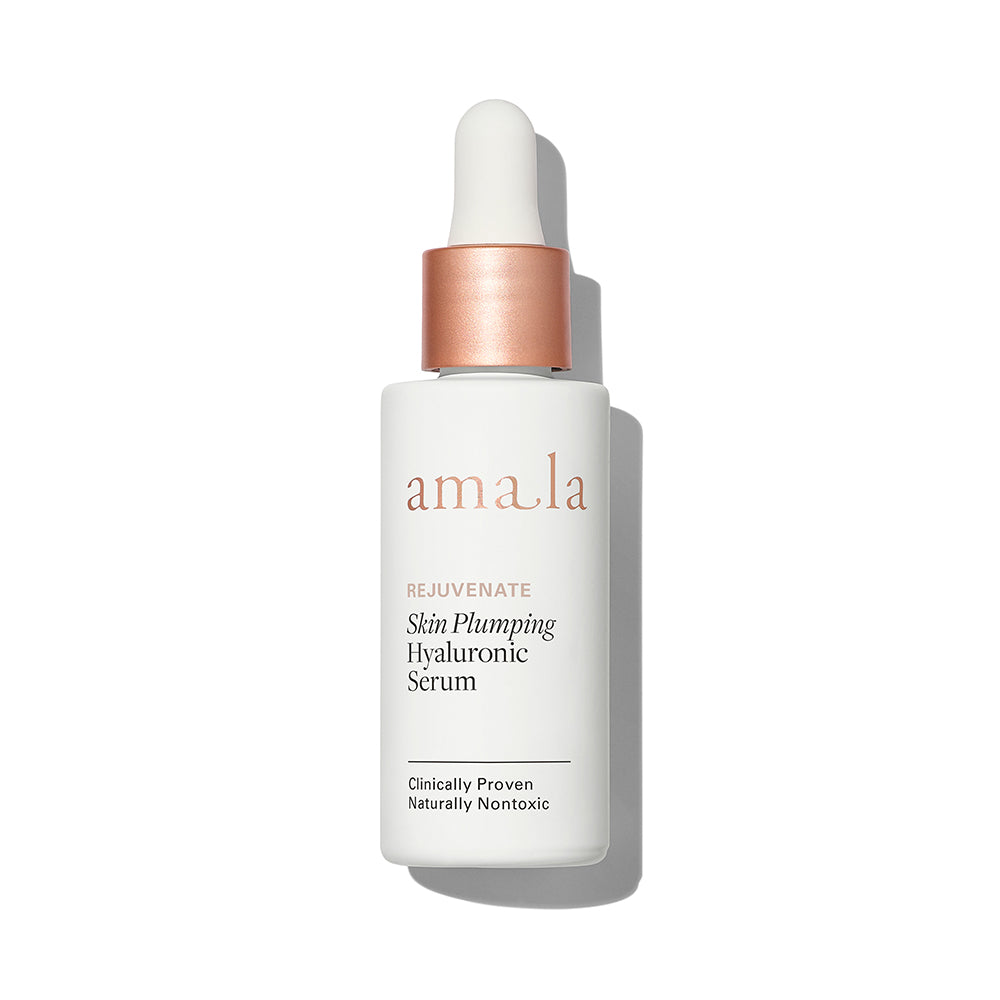
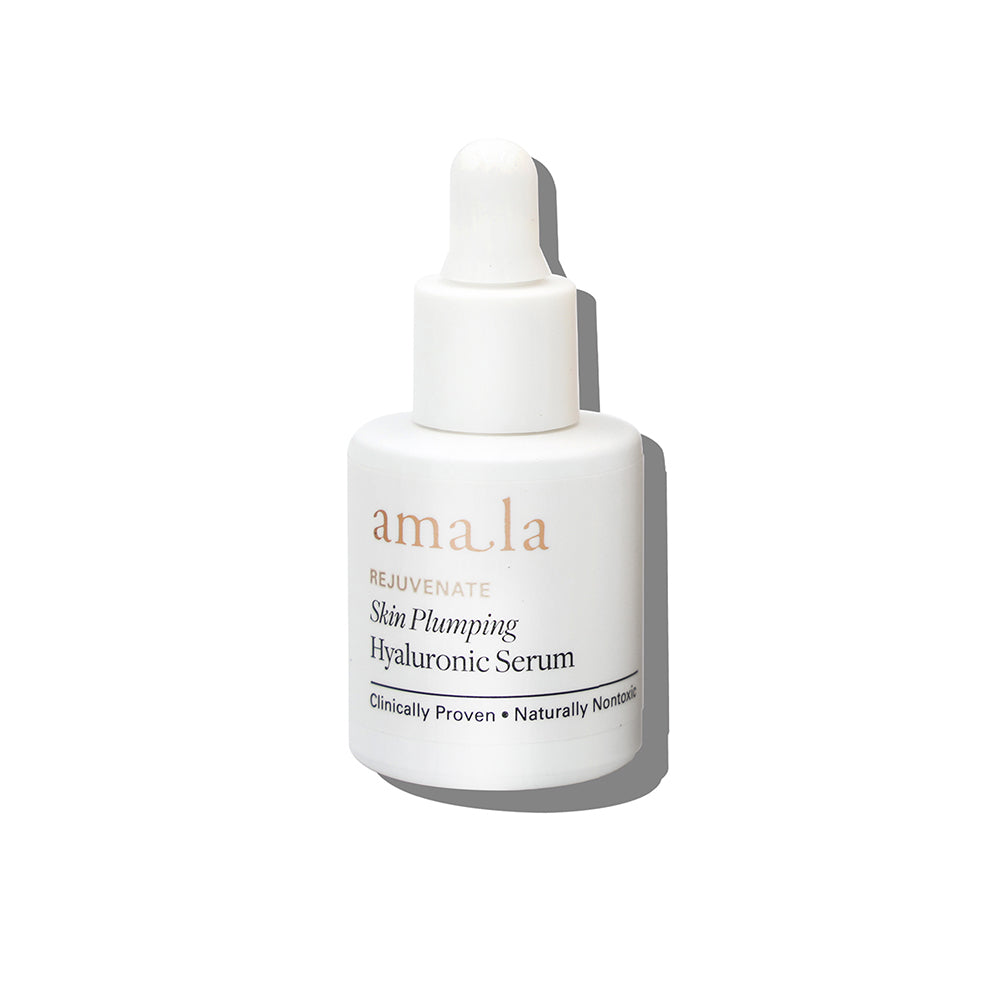
Amala Skin Plumping Hyaluronic Serum
- Regular
- from $58.00
- Sale
- from $58.00
- Regular
-
- Unit Price
- per

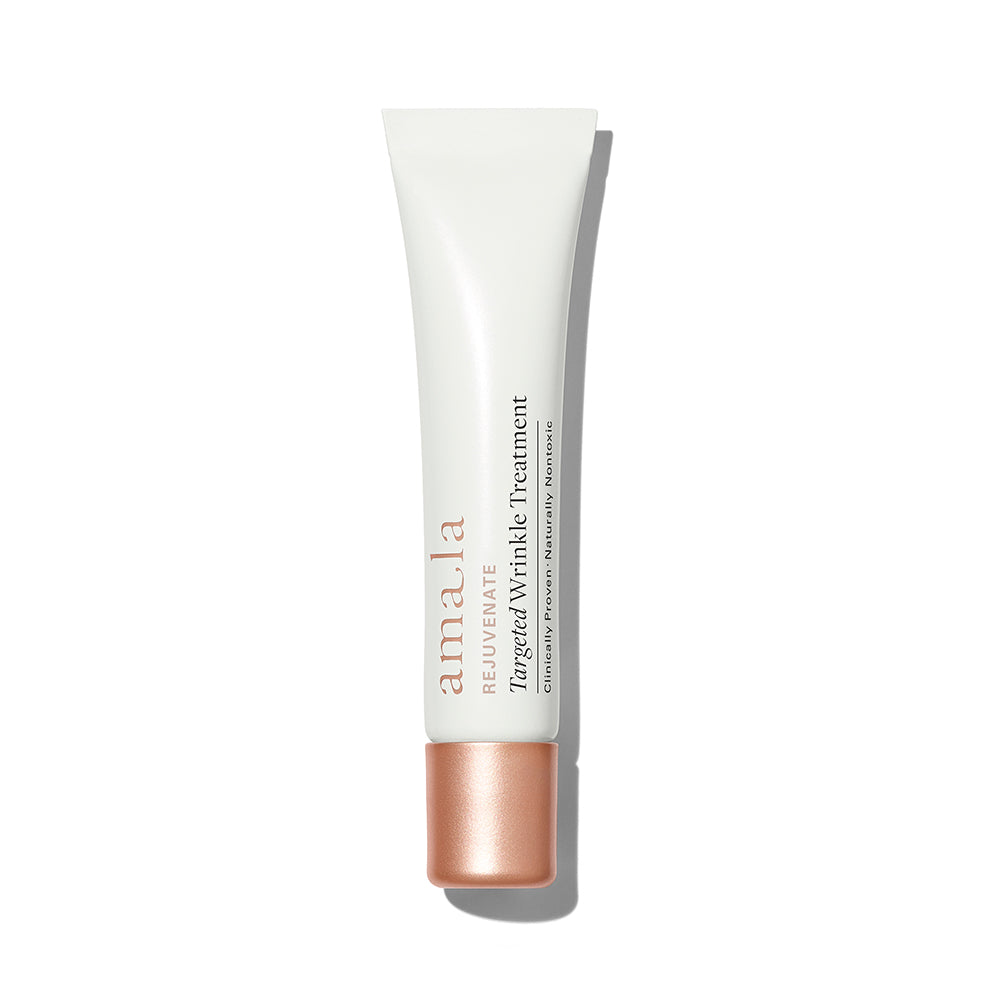
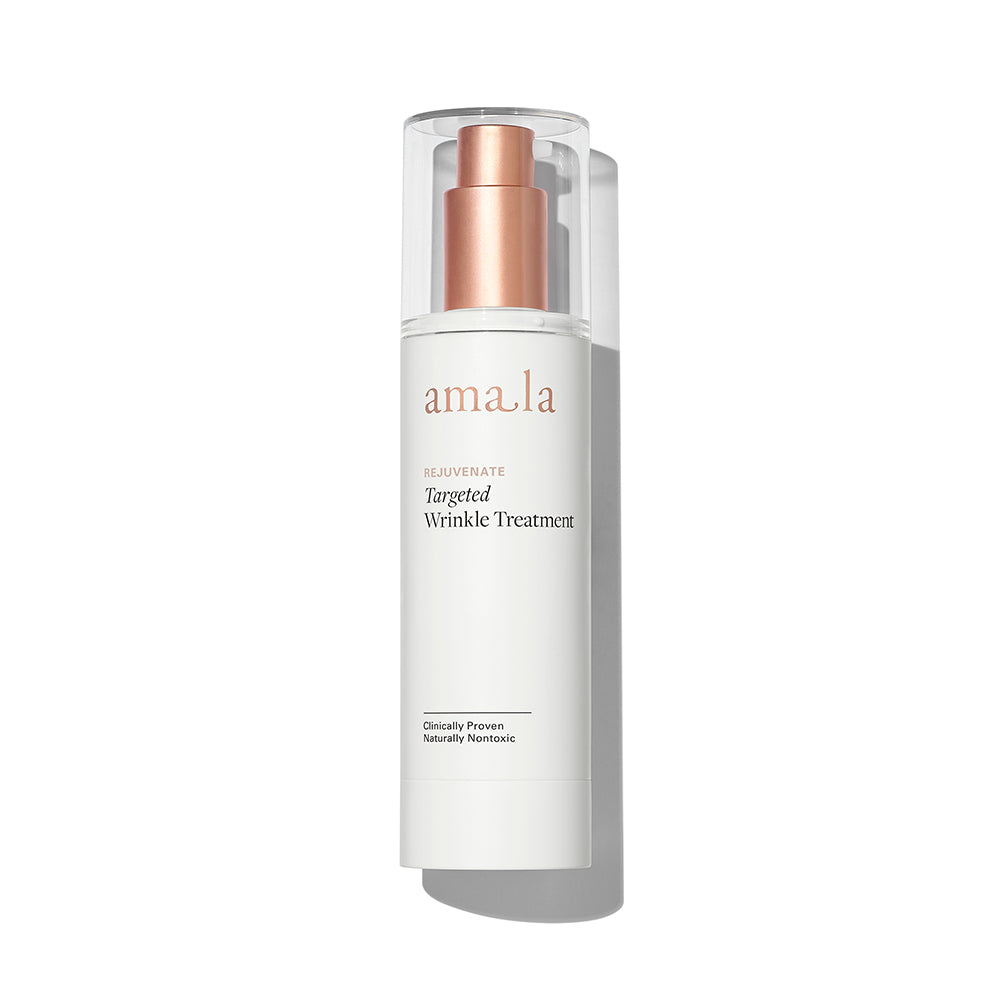
Amala Targeted Wrinkle Treatment
- Regular
- from $158.00
- Sale
- from $158.00
- Regular
-
- Unit Price
- per

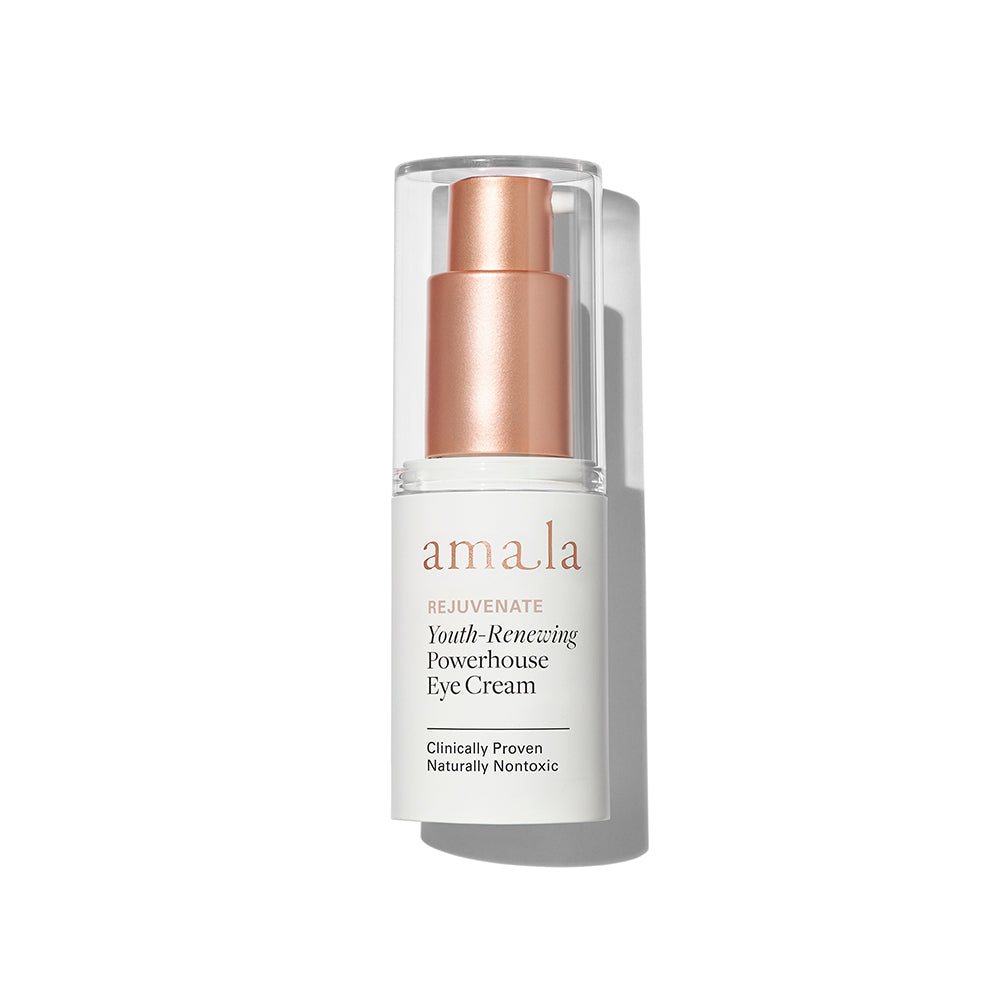
Amala Youth-Renewing Powerhouse Eye Cream
- Regular
- $138.00
- Sale
- $138.00
- Regular
-
- Unit Price
- per

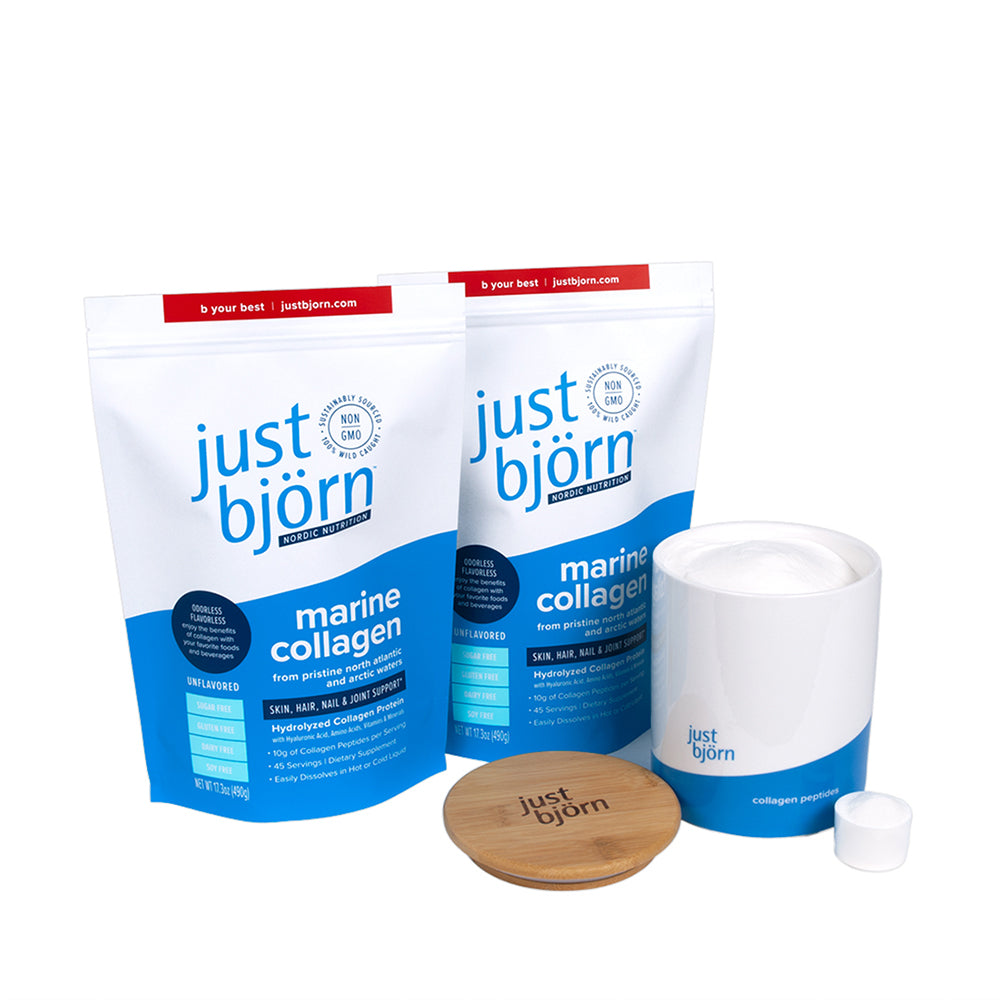
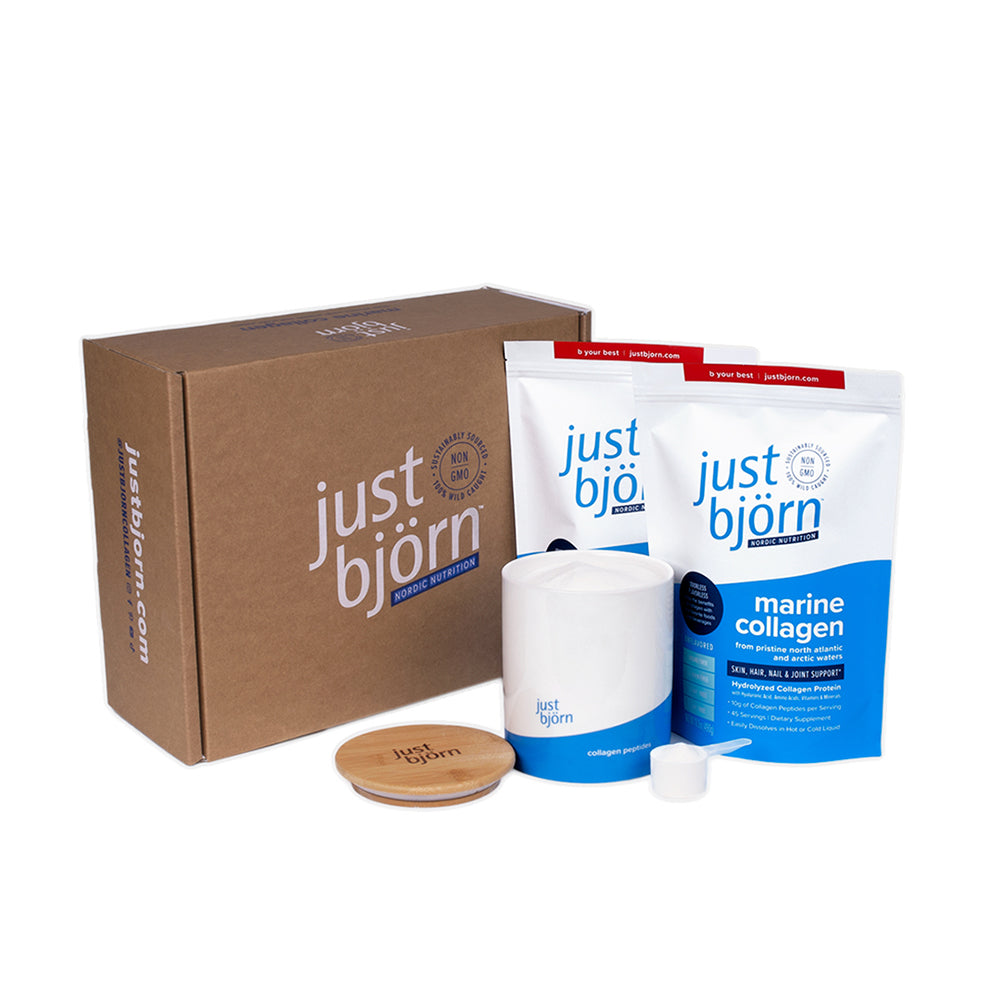
just björn starter kit
- Regular
- $125.00
- Sale
- $125.00
- Regular
-
- Unit Price
- per

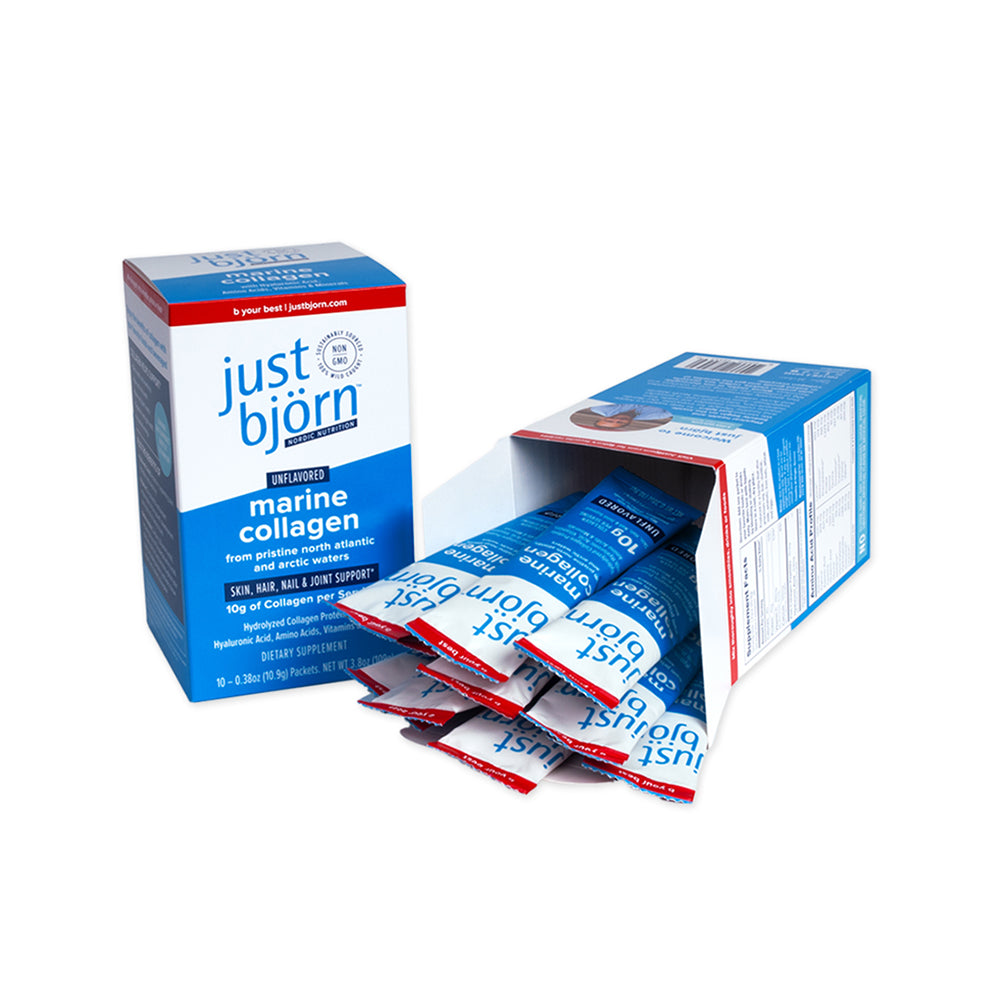
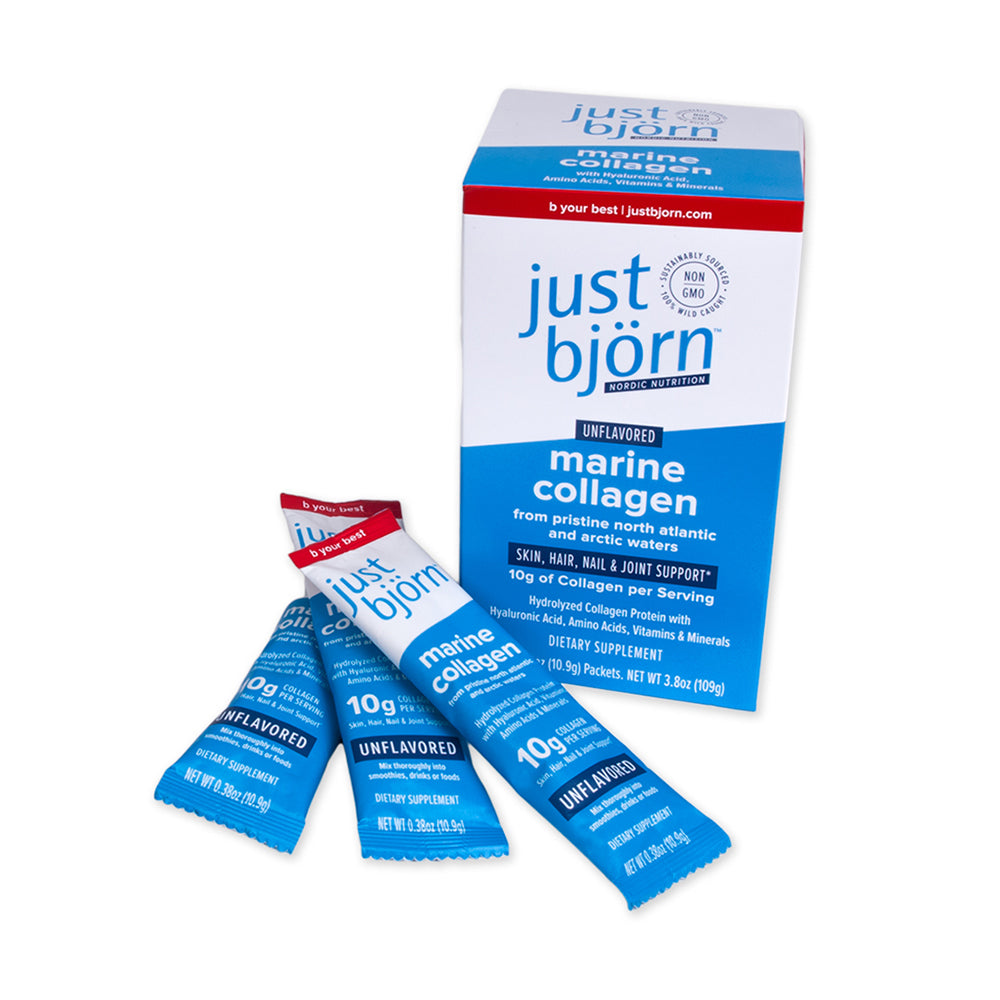
just björn on-the-go stick packs
- Regular
- $25.00
- Sale
- $25.00
- Regular
-
- Unit Price
- per

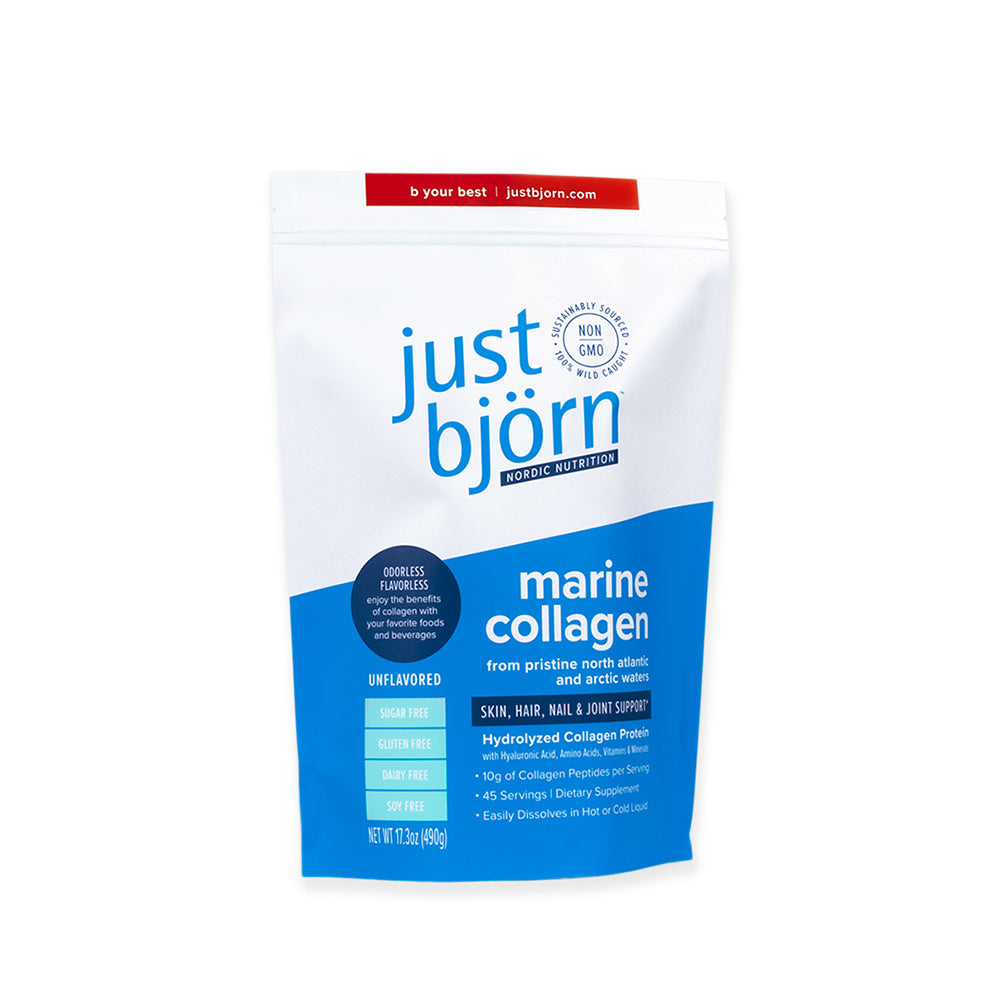
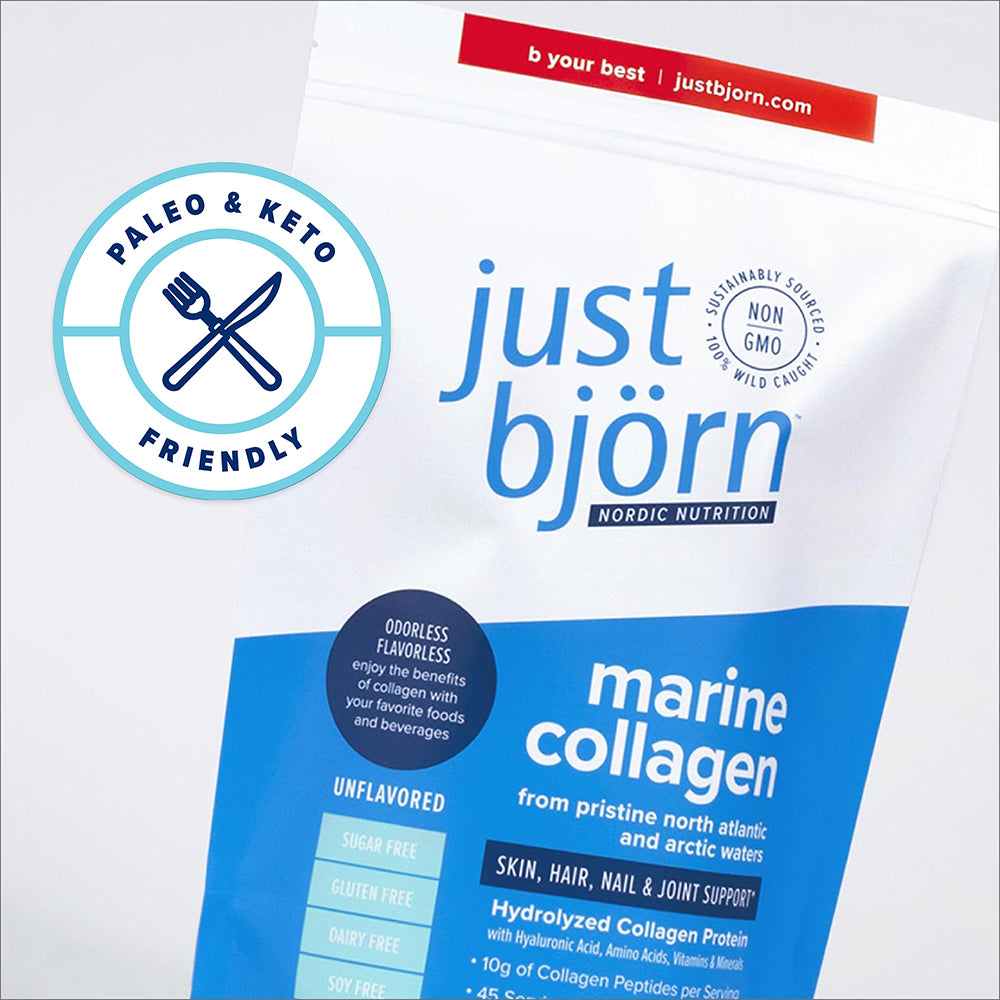
just björn collagen peptides pouches
- Regular
- from $55.00
- Sale
- from $55.00
- Regular
-
- Unit Price
- per

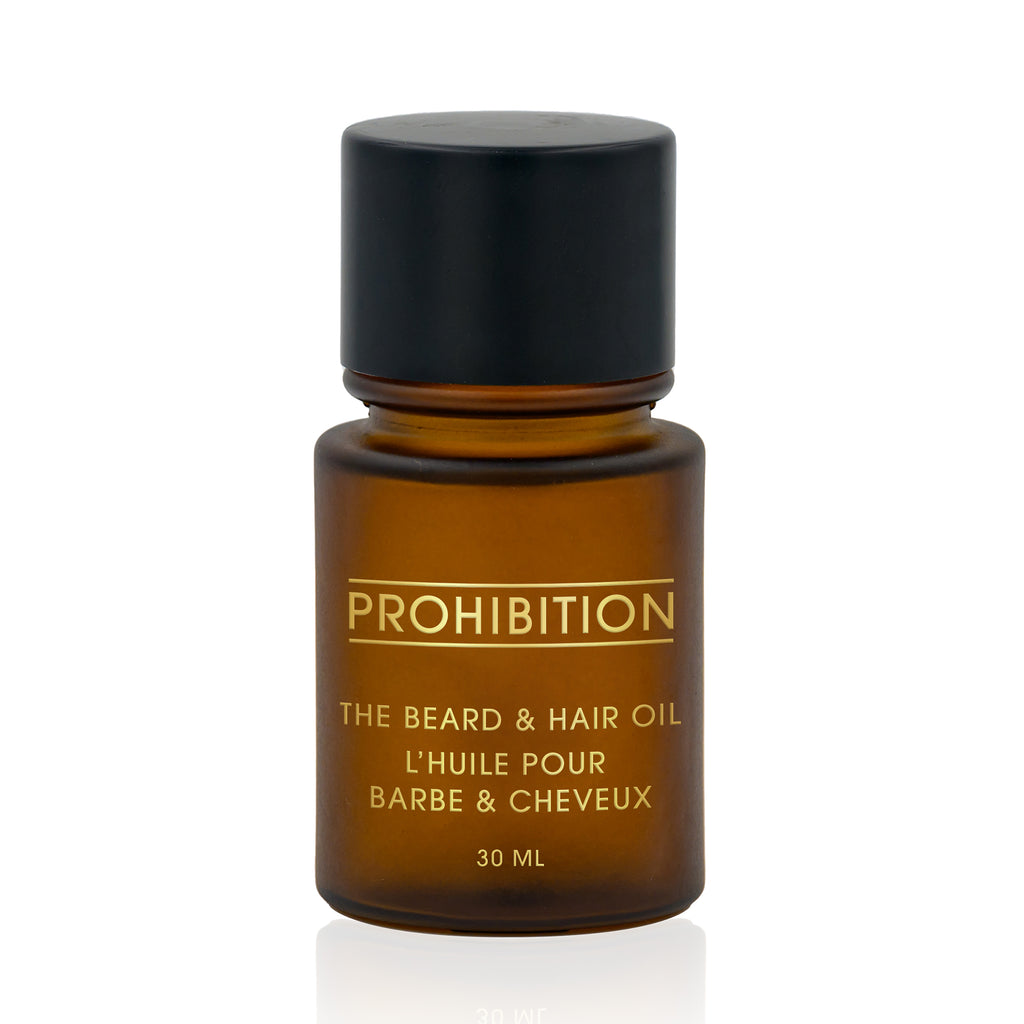
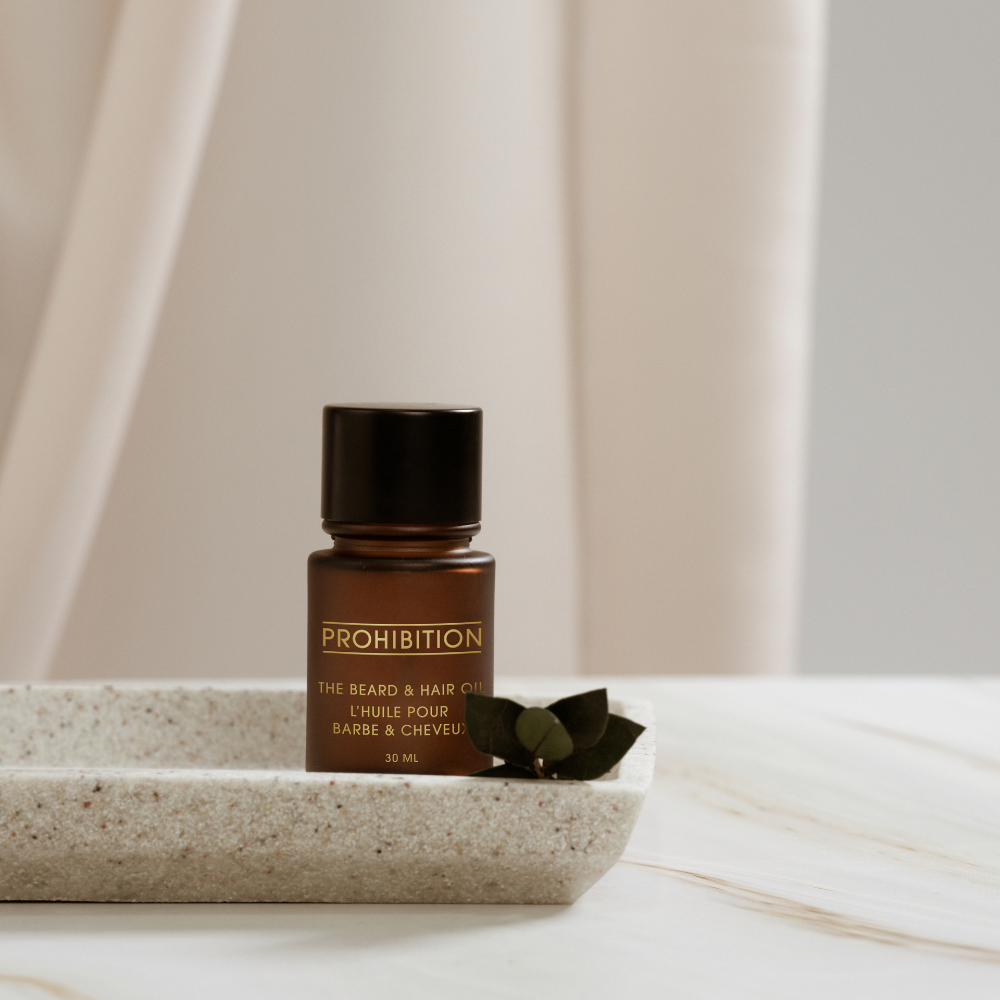
Prohibition Wellness The Beard & Hair Oil
- Regular
- $34.20
- Sale
- $34.20
- Regular
-
- Unit Price
- per

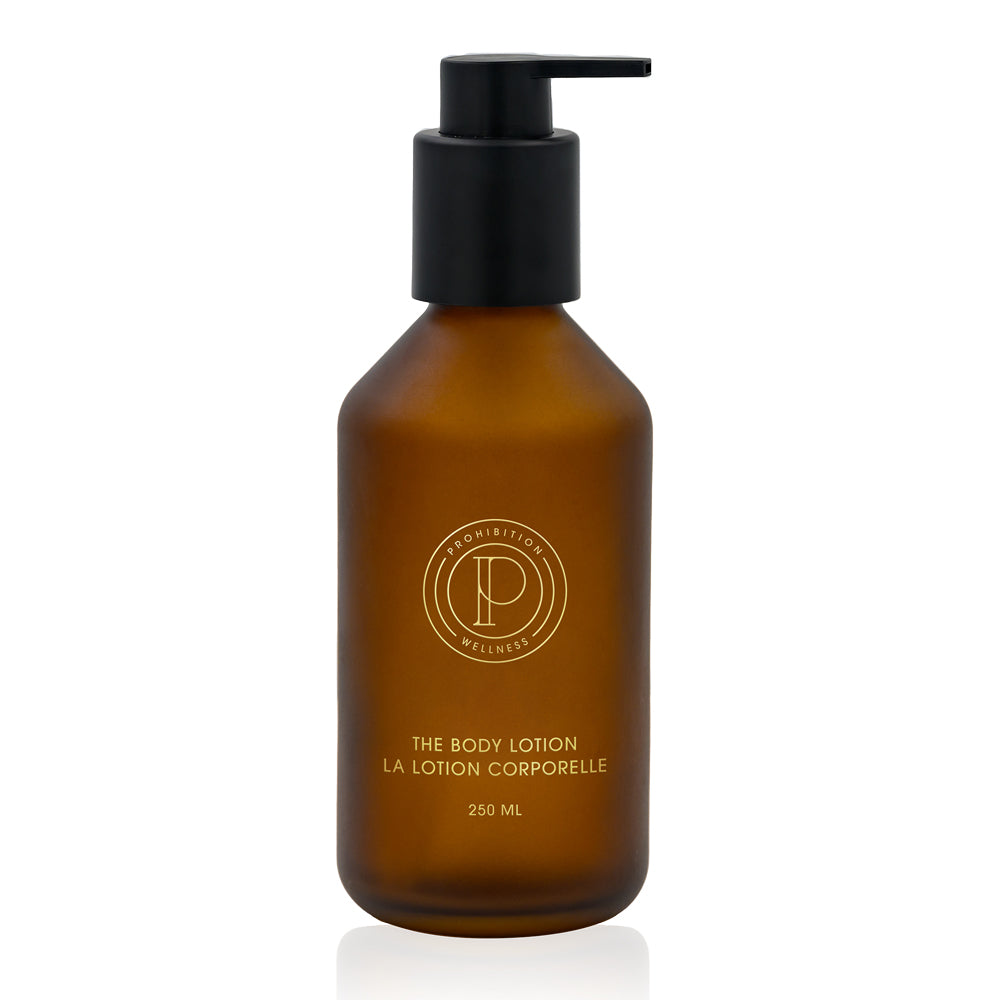
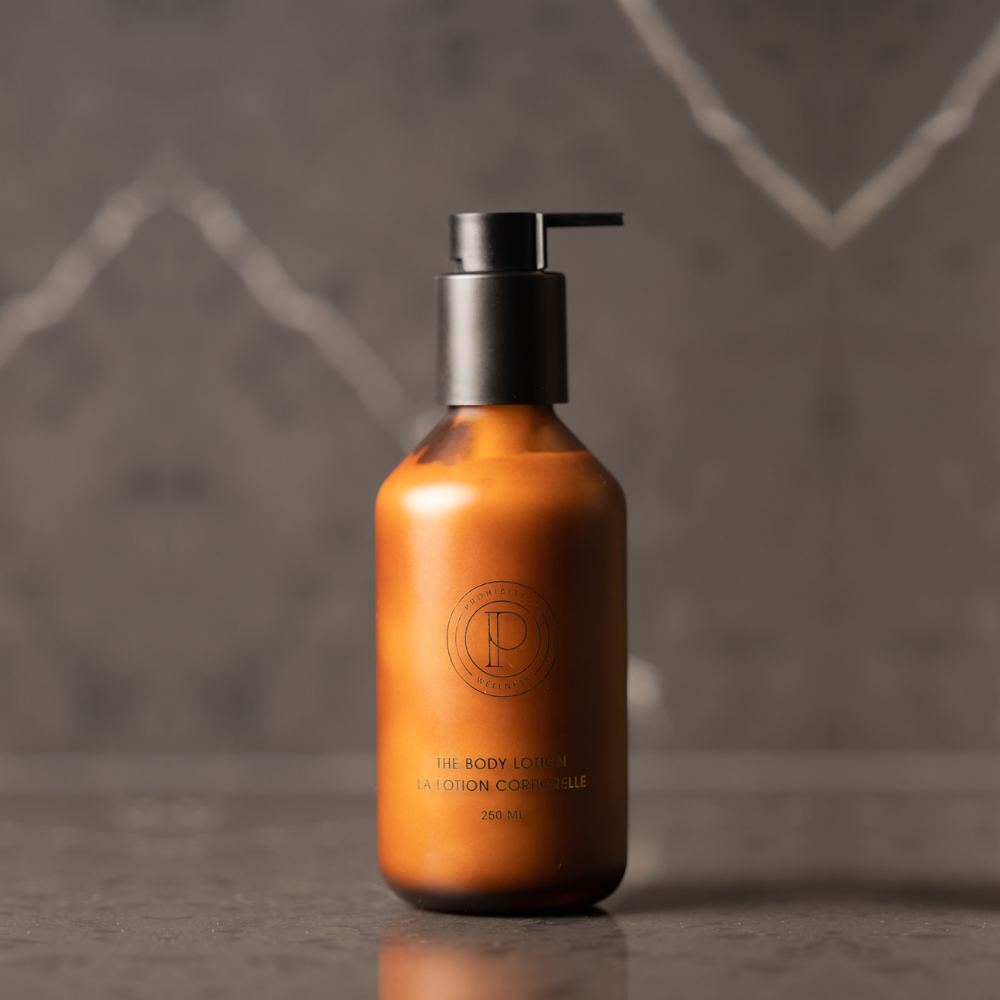
Prohibition Wellness The Body Lotion
- Regular
- $42.00
- Sale
- $42.00
- Regular
-
- Unit Price
- per

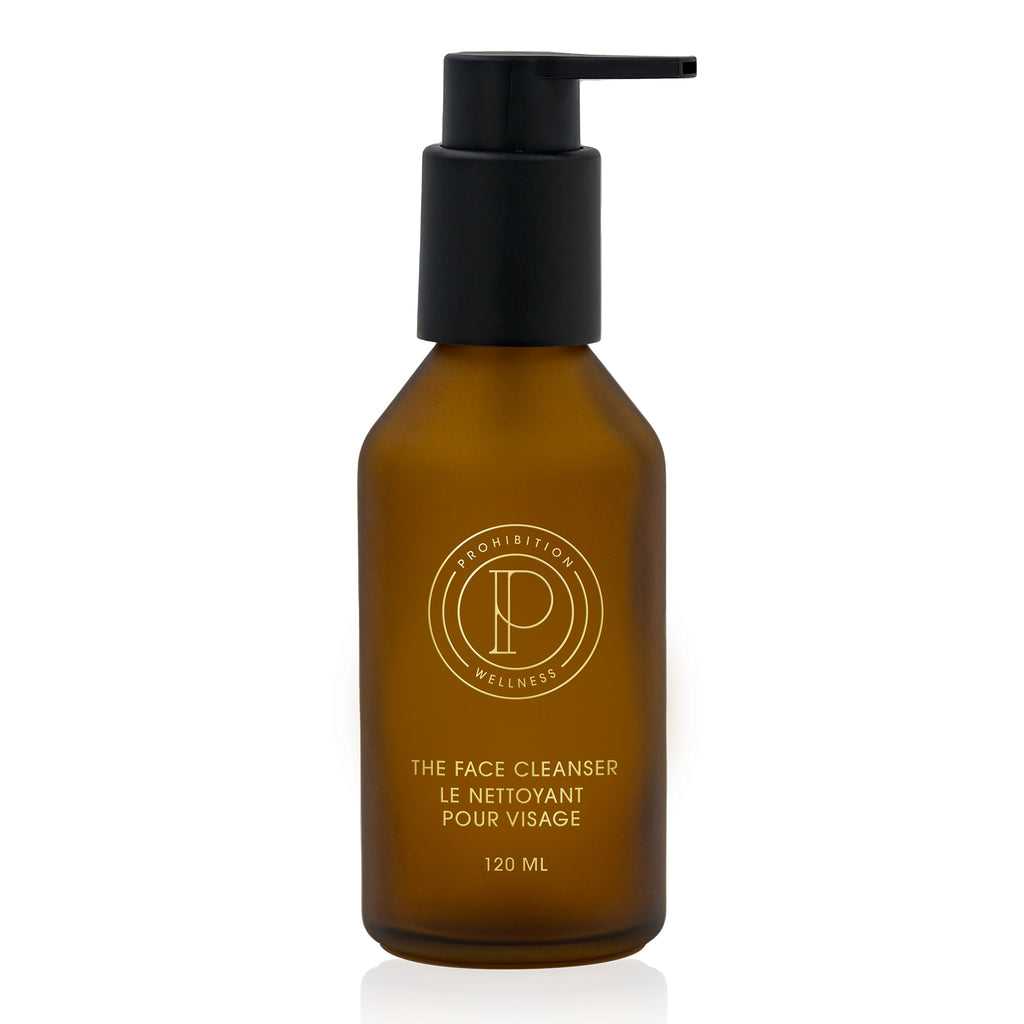
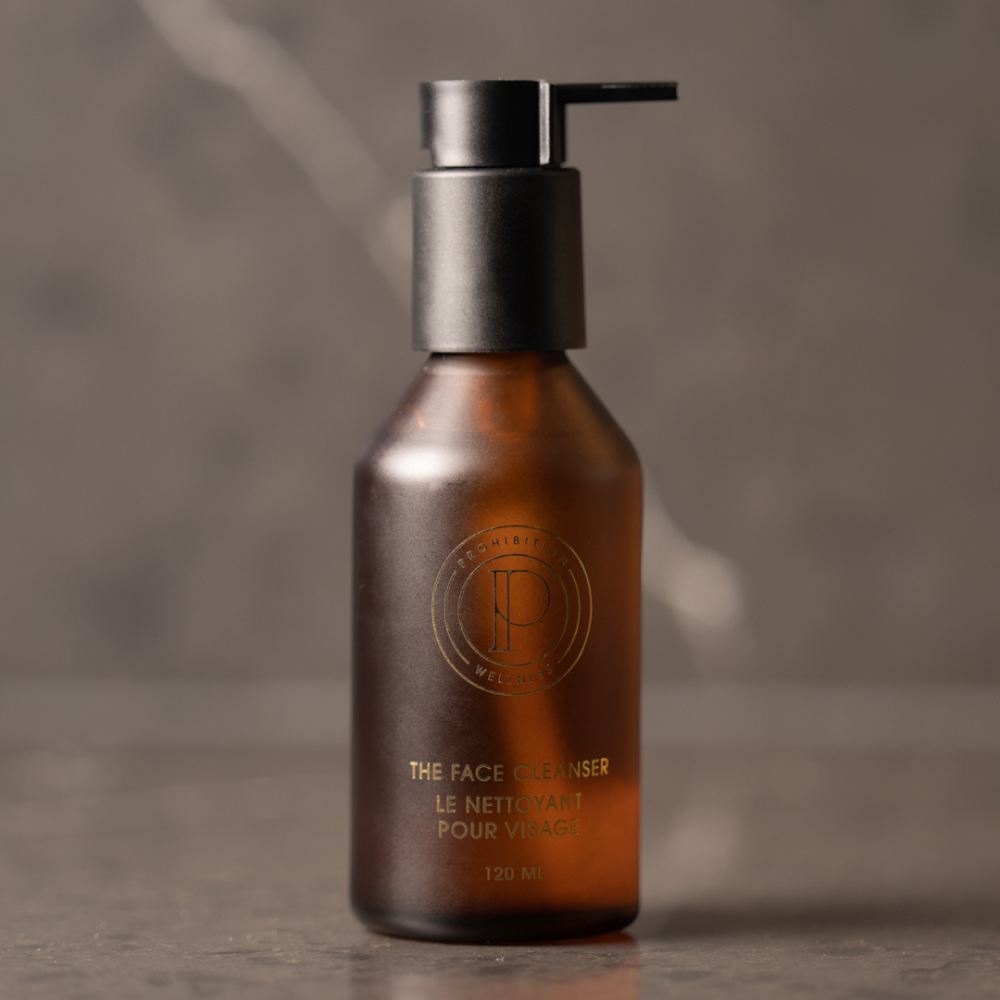
Prohibition Wellness The Face Cleanser
- Regular
- $34.20
- Sale
- $34.20
- Regular
-
- Unit Price
- per

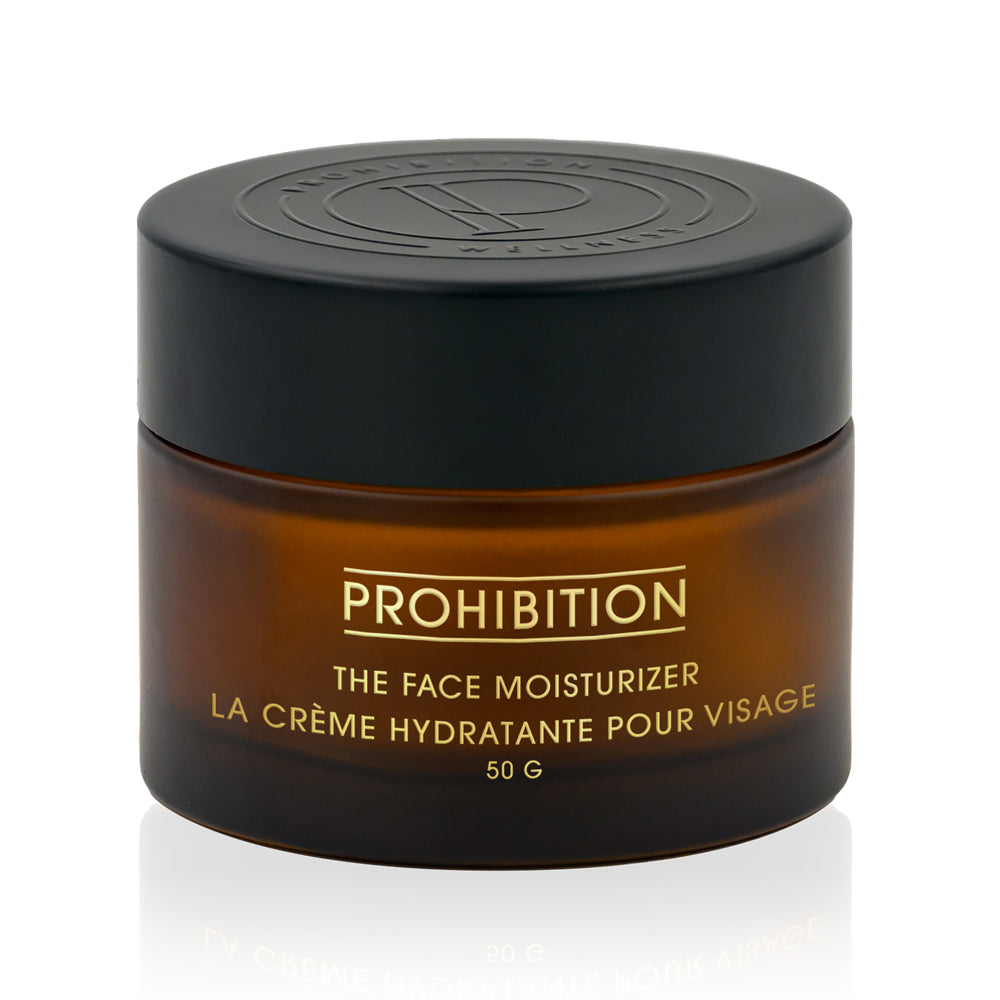
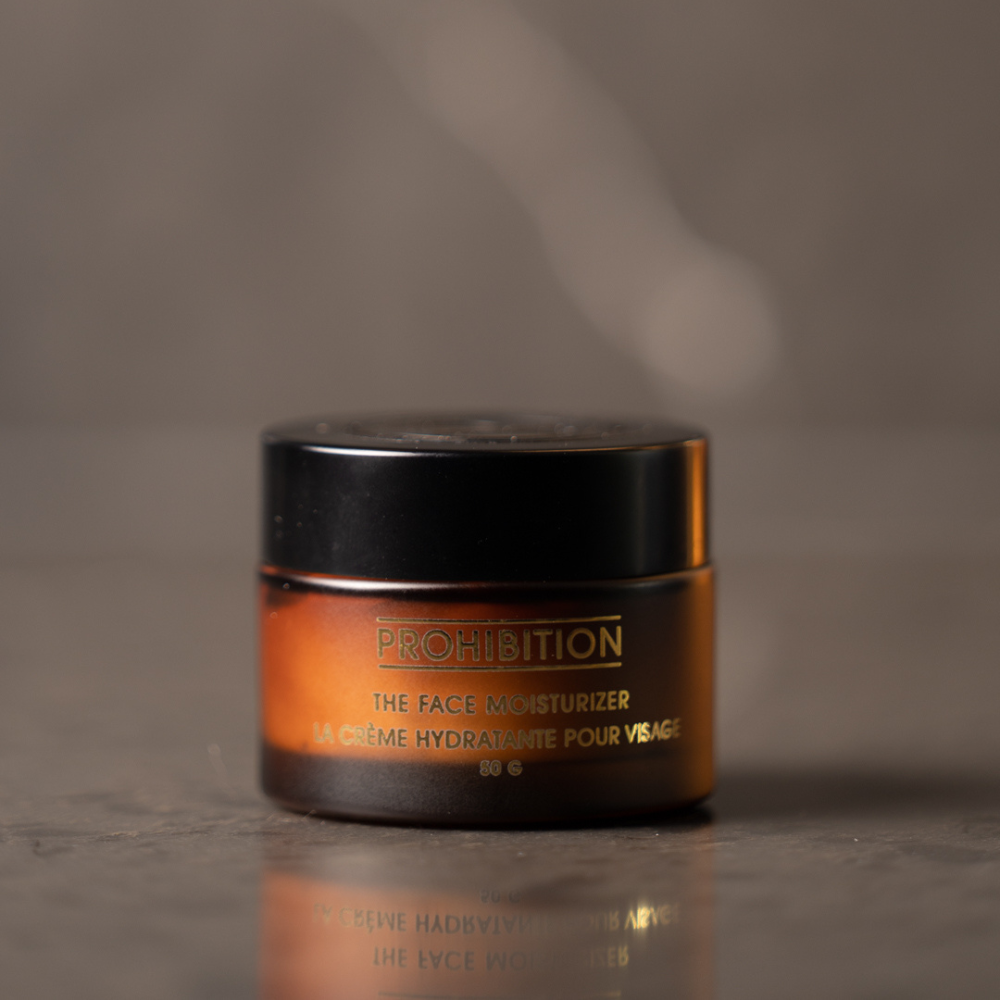
Prohibition Wellness The Face Moisturizer
- Regular
- $64.20
- Sale
- $64.20
- Regular
-
- Unit Price
- per

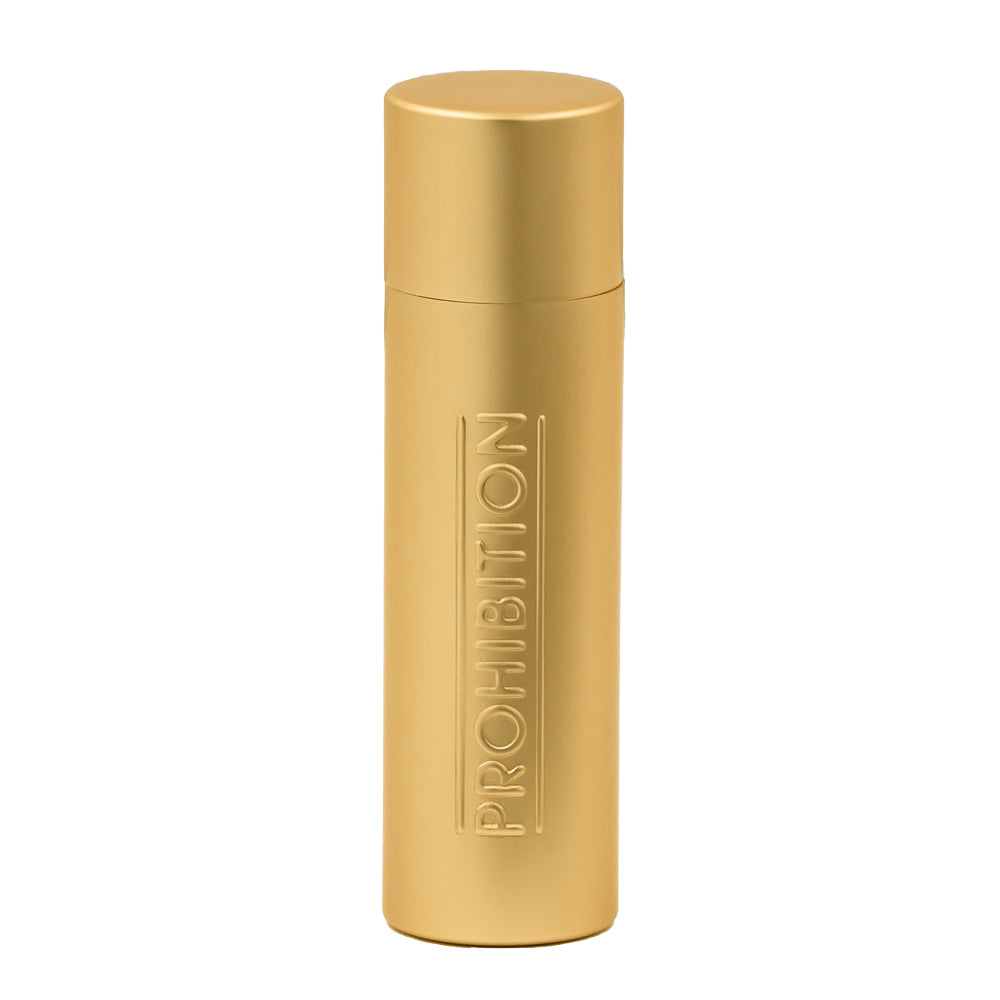
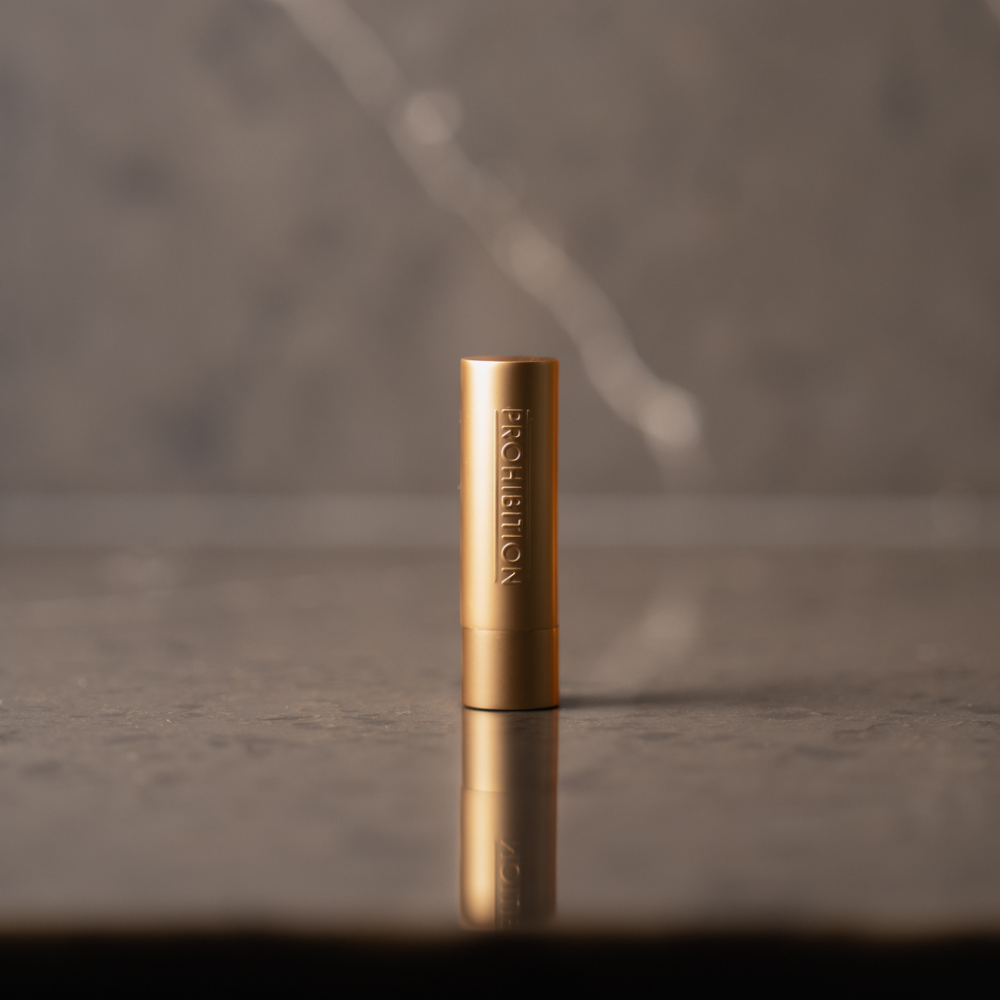
Prohibition Wellness The Lip Balm
- Regular
- $24.20
- Sale
- $24.20
- Regular
-
- Unit Price
- per

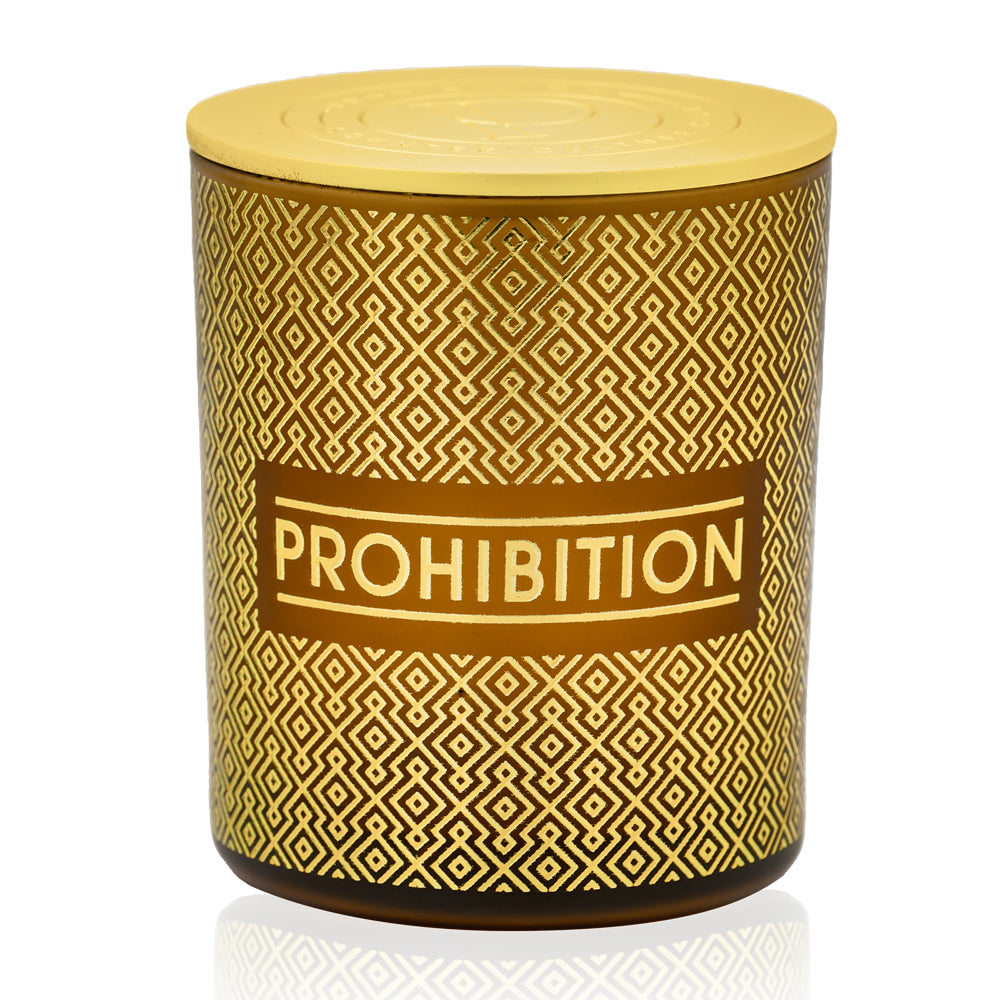
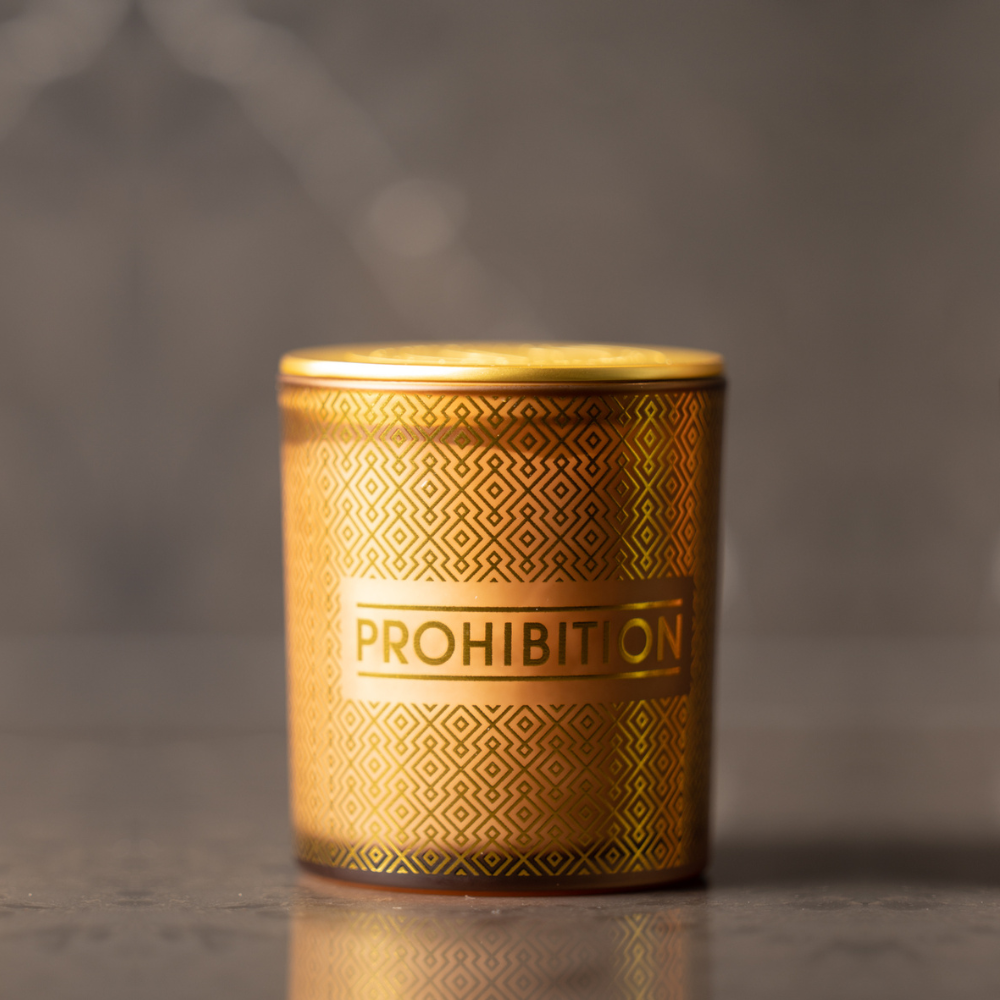
Prohibition Wellness The Massage Candle
- Regular
- $57.10
- Sale
- $57.10
- Regular
-
- Unit Price
- per

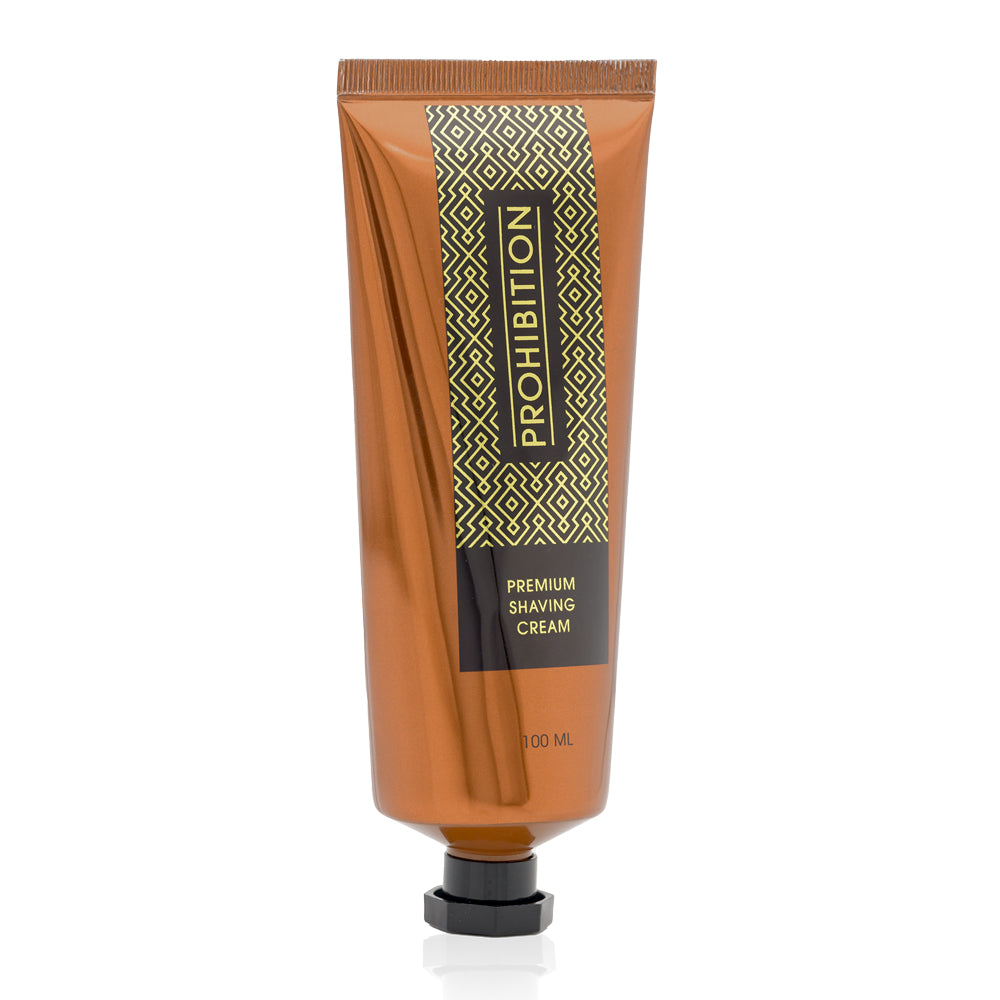
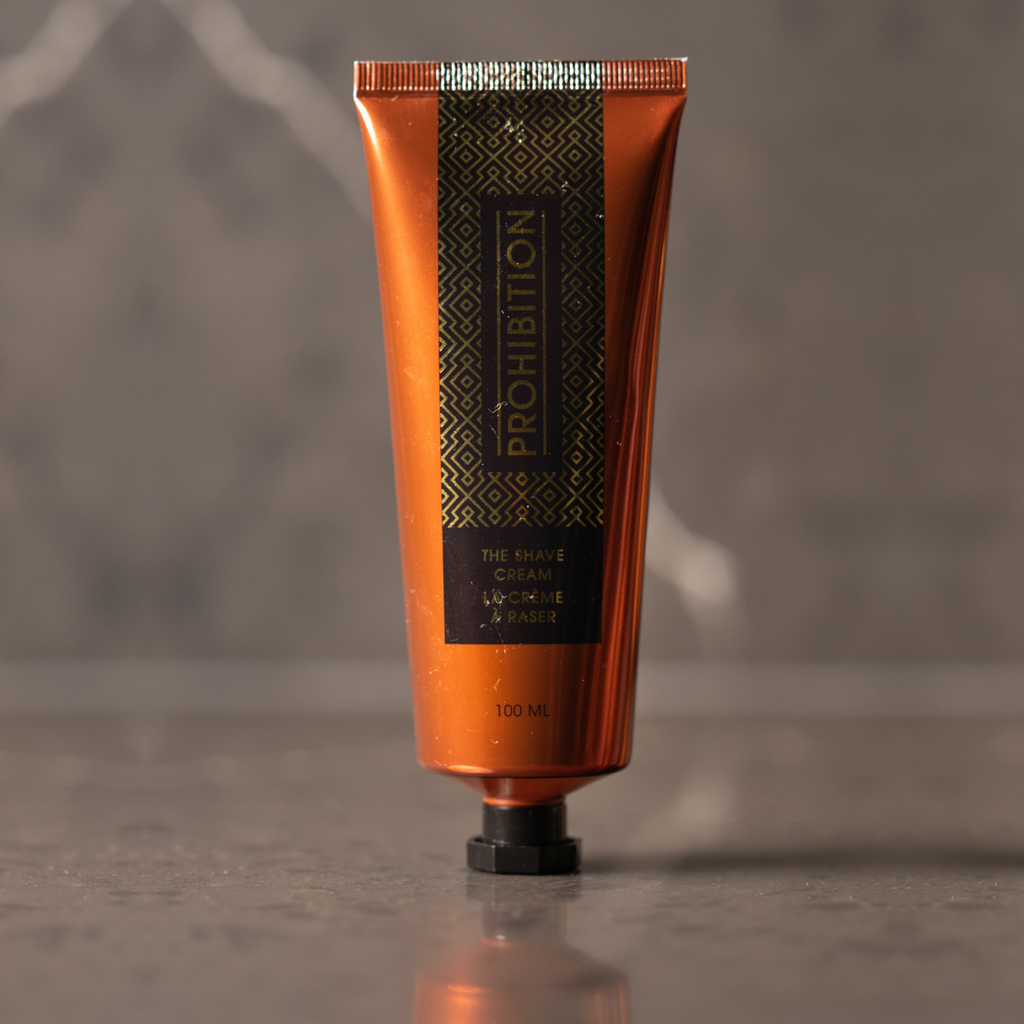
Prohibition Wellness The Shaving Cream
- Regular
- $27.10
- Sale
- $27.10
- Regular
-
- Unit Price
- per

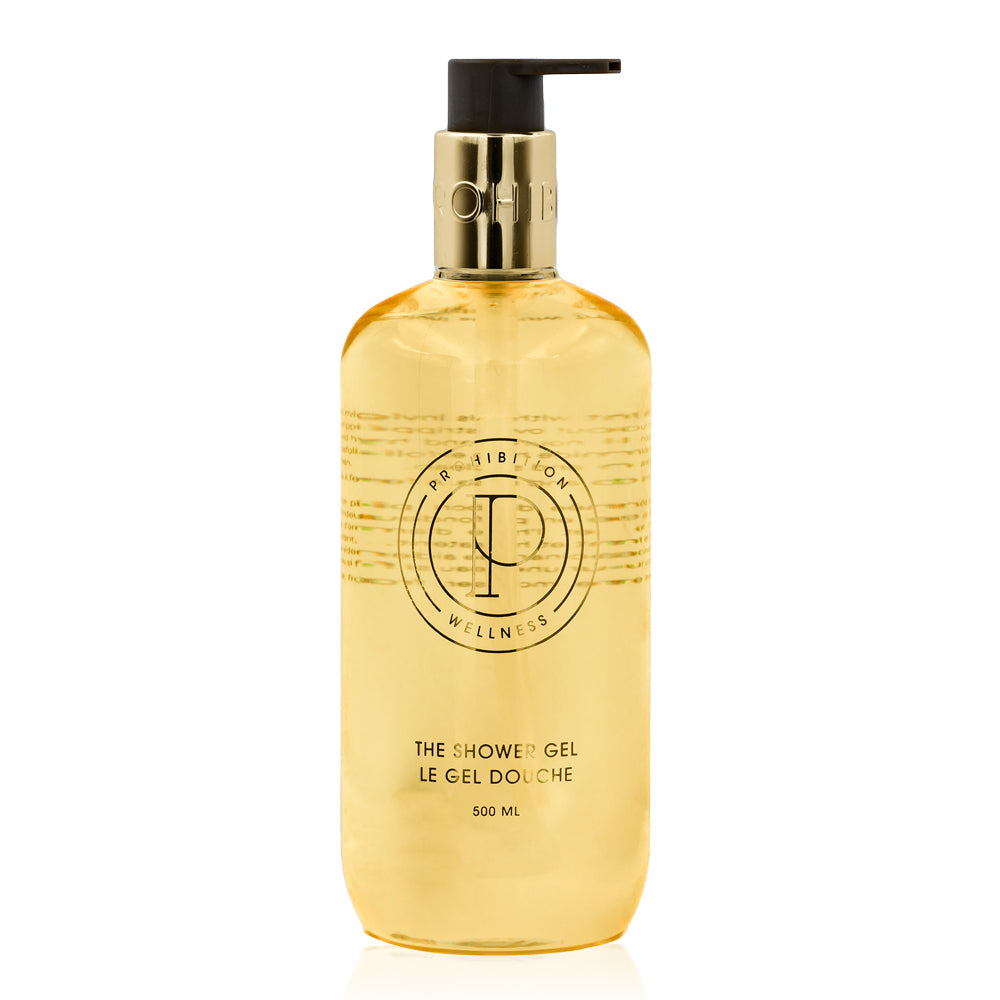
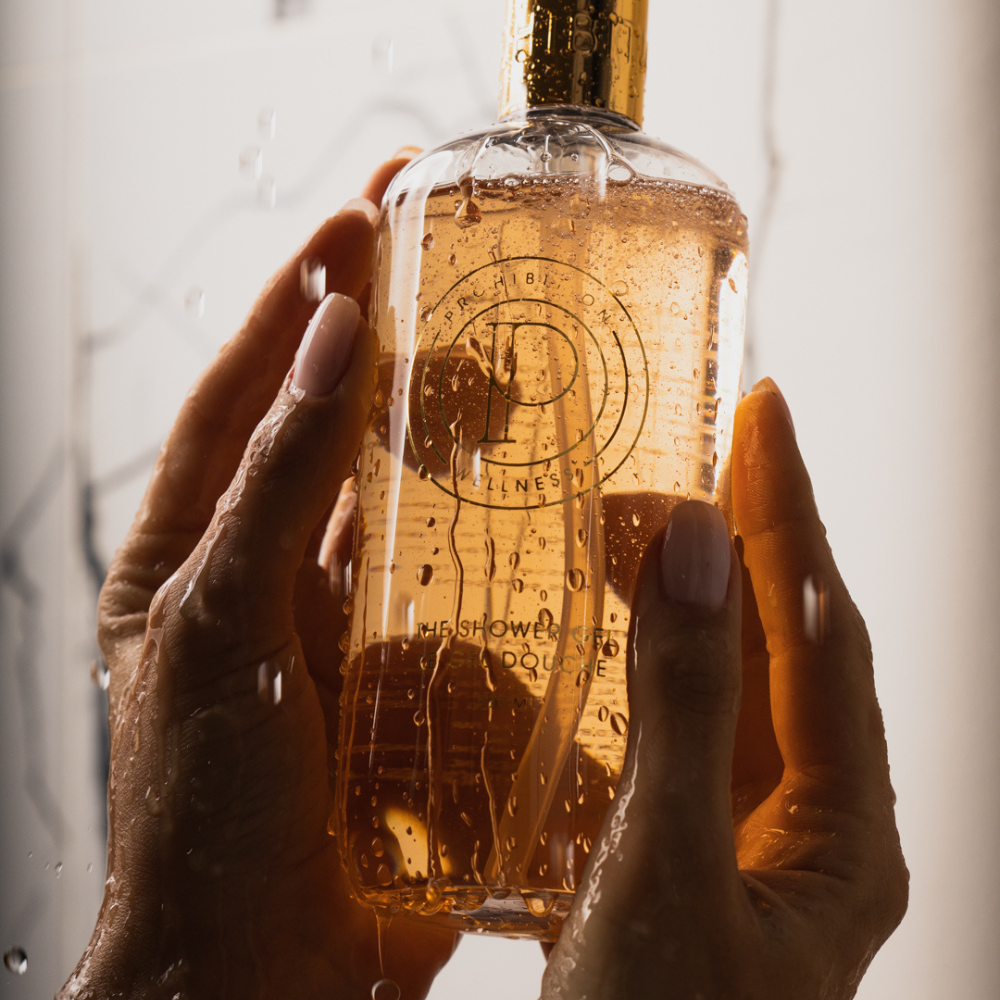
Prohibition Wellness The Shower Gel
- Regular
- $42.00
- Sale
- $42.00
- Regular
-
- Unit Price
- per

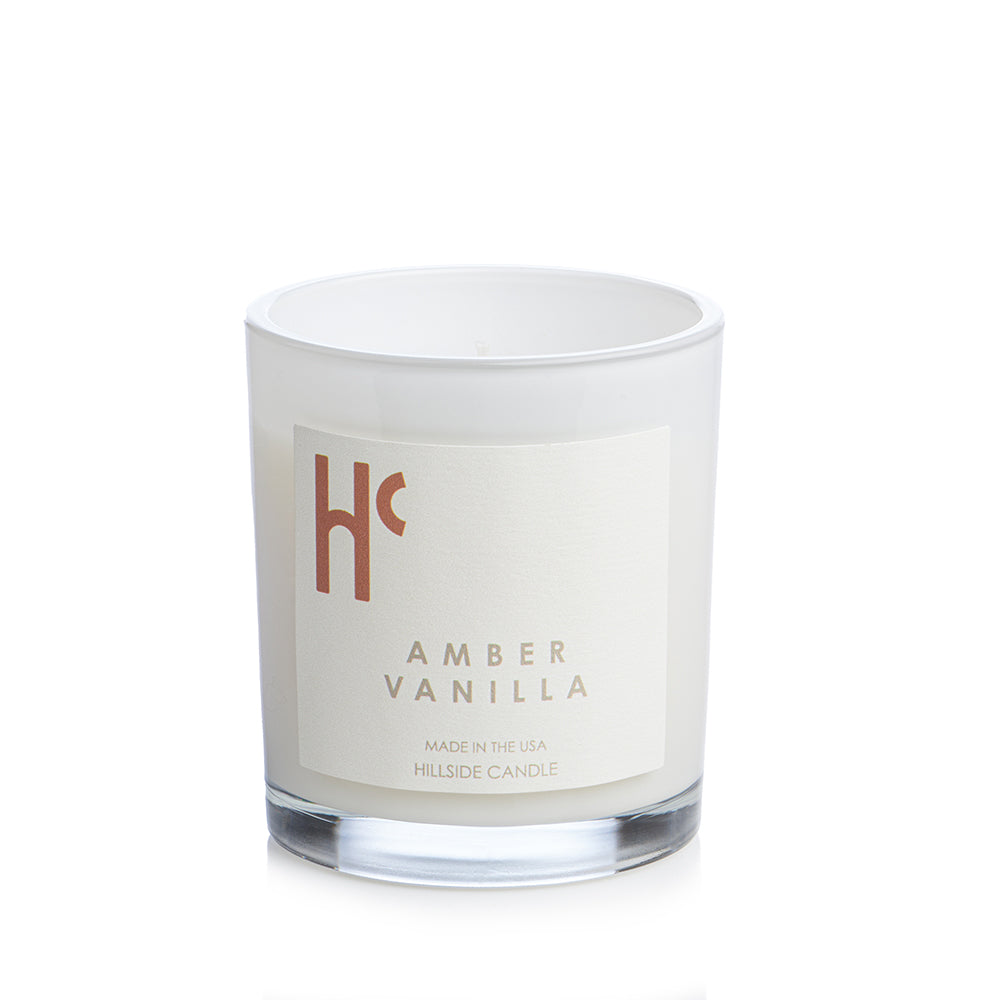
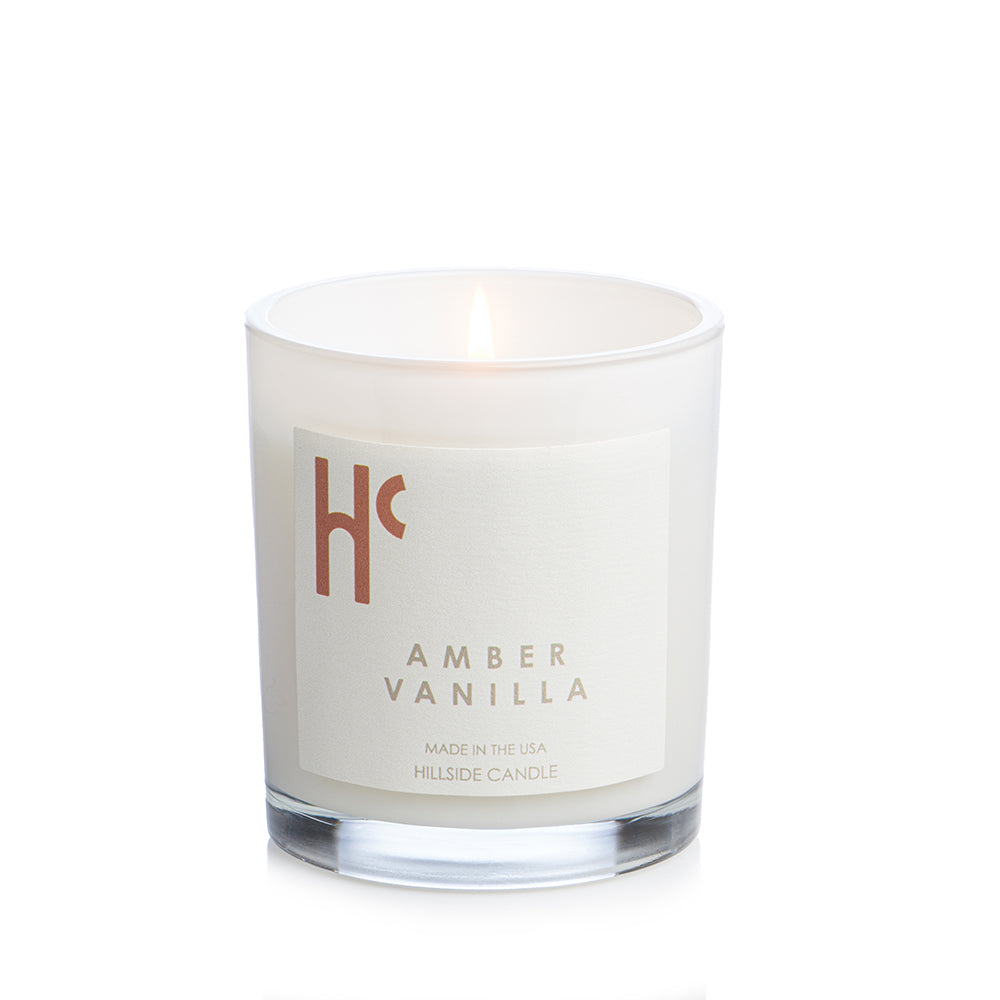
Hillside Candle "Amber Vanilla" Candle
- Regular
- $36.99
- Sale
- $36.99
- Regular
-
- Unit Price
- per

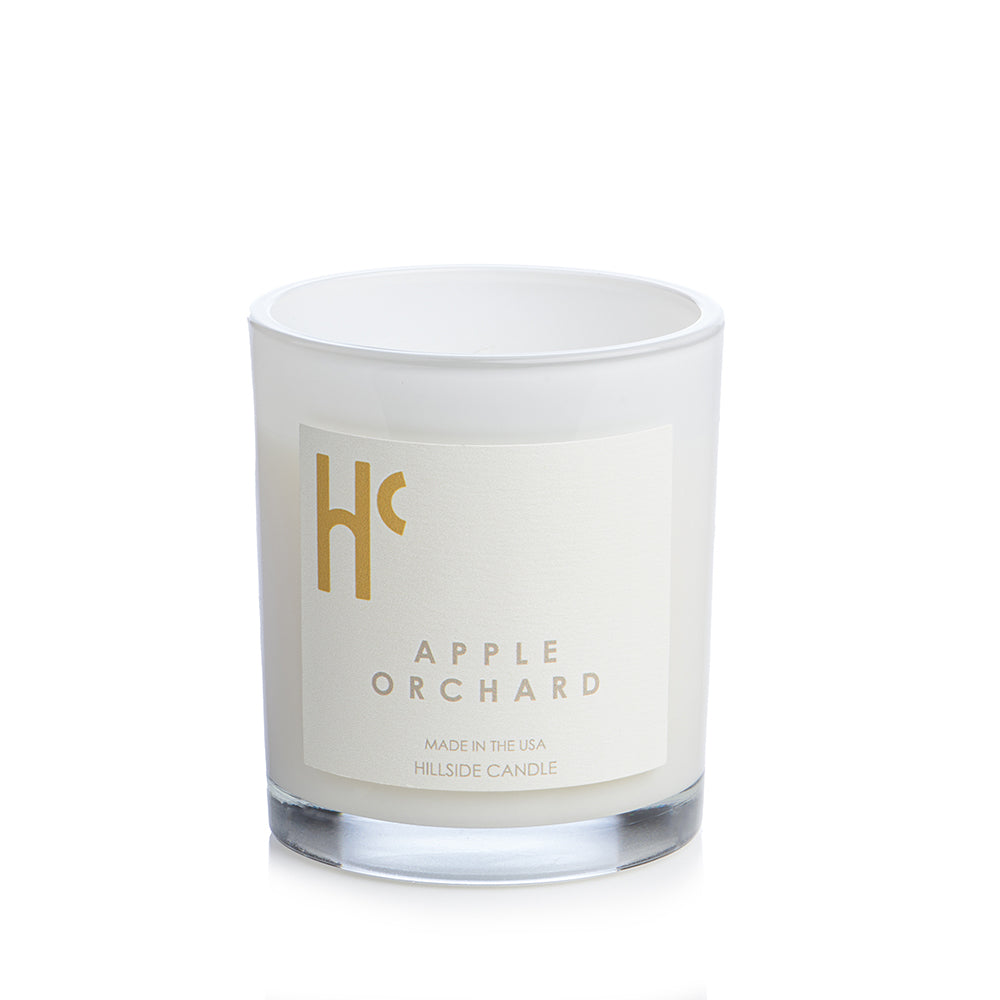
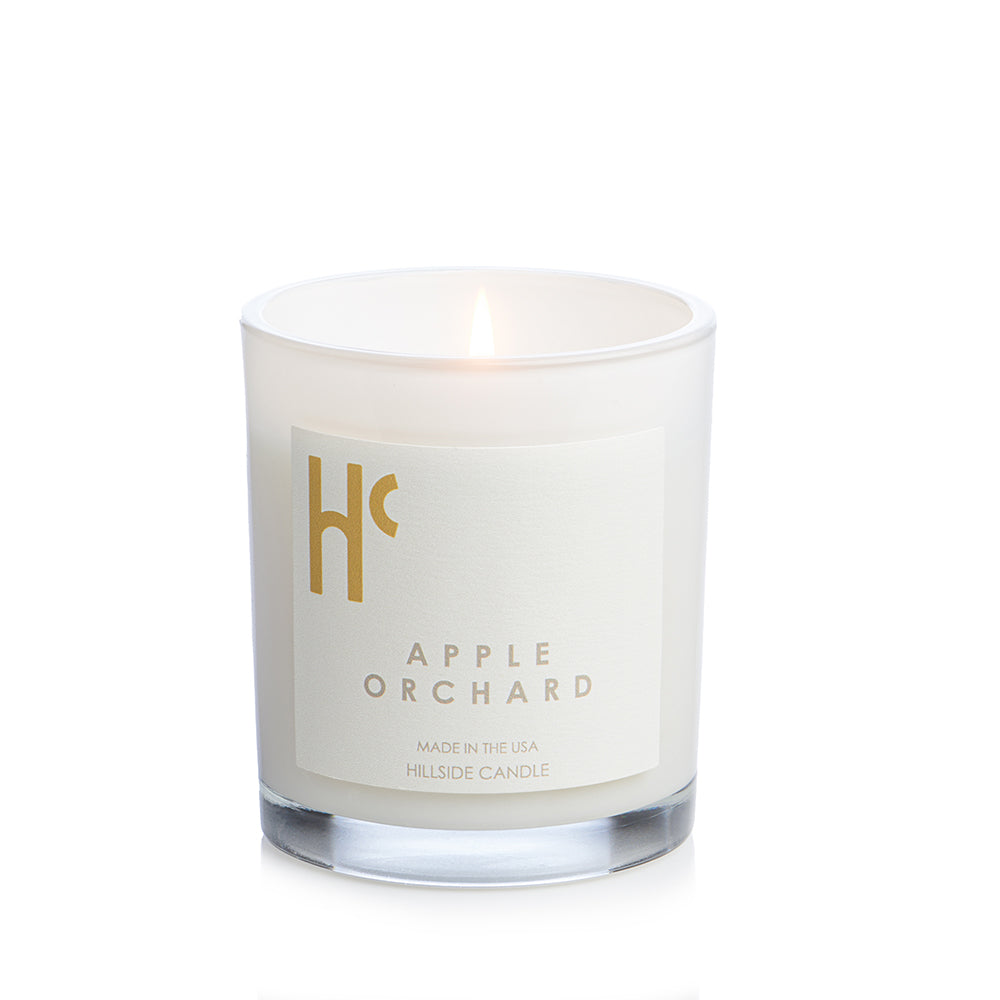
Hillside Candle "Apple Orchard" Candle
- Regular
- $36.99
- Sale
- $36.99
- Regular
-
- Unit Price
- per

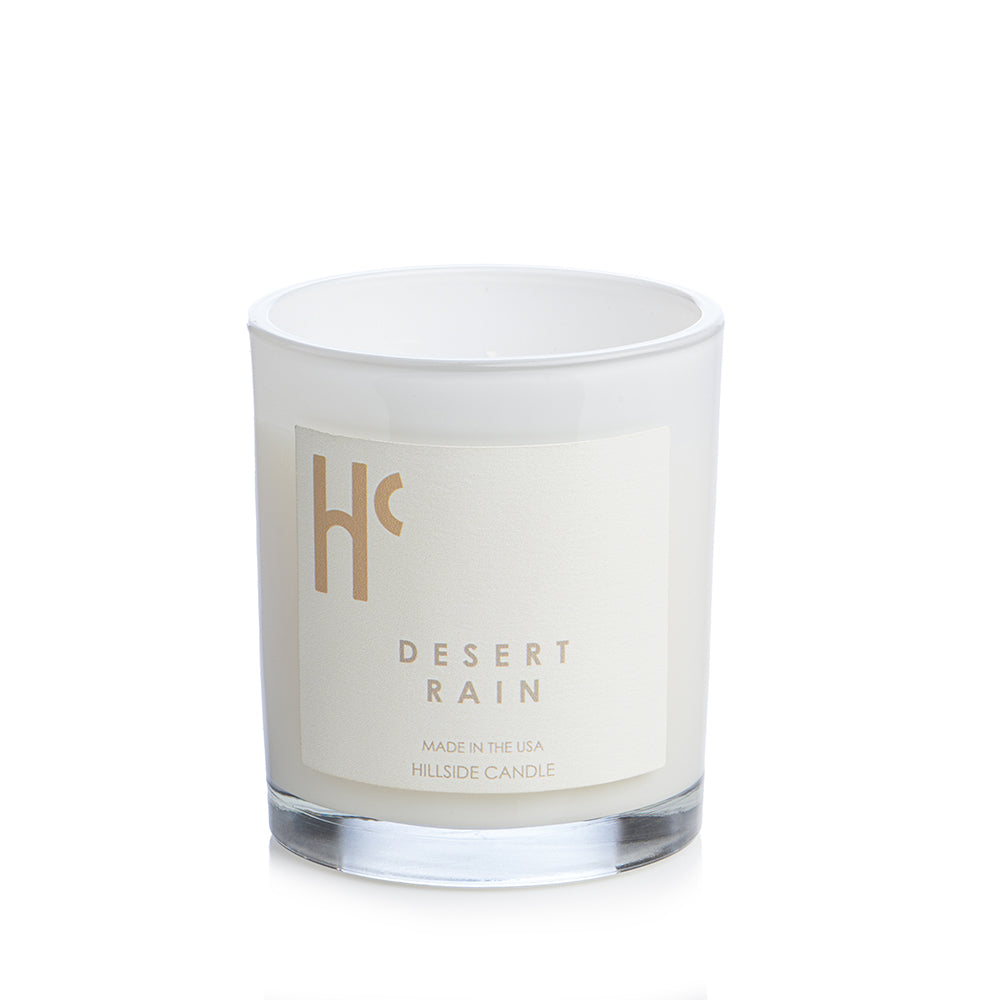
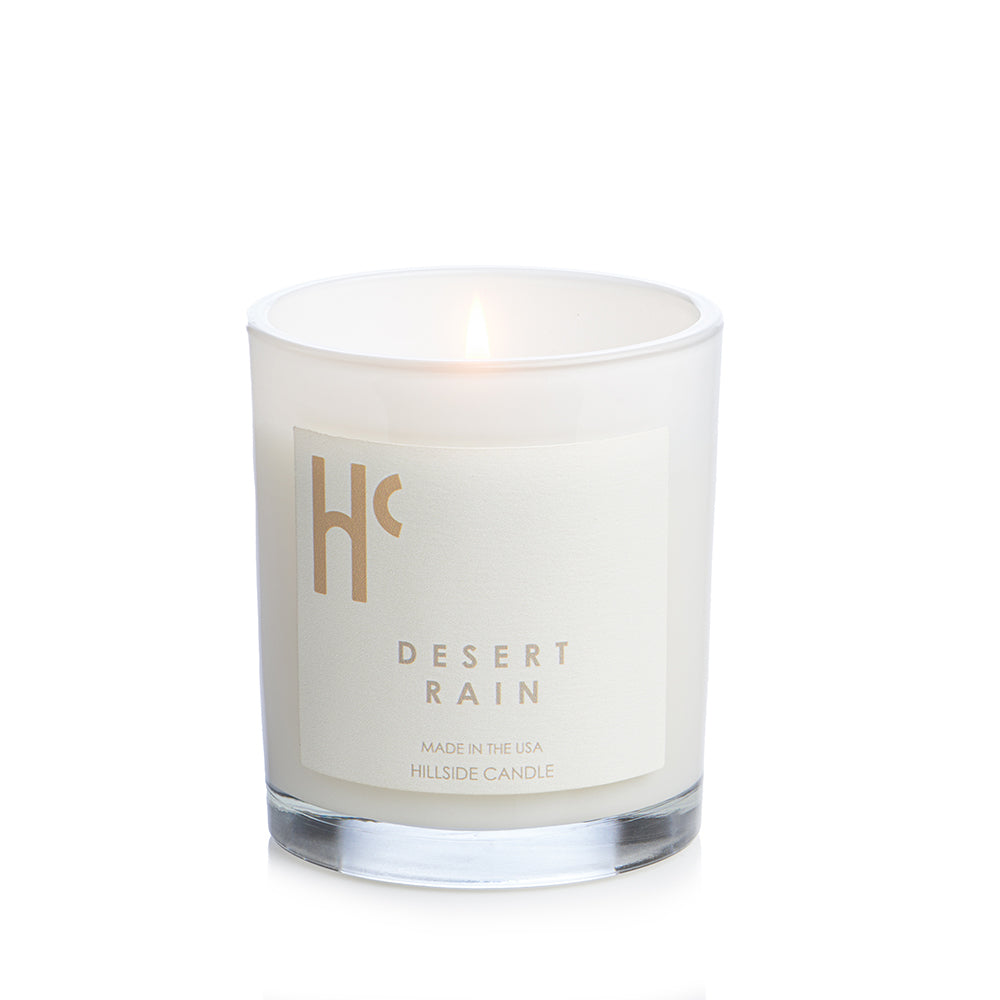
Hillside Candle "Desert Rain" Candle
- Regular
- $36.99
- Sale
- $36.99
- Regular
-
- Unit Price
- per

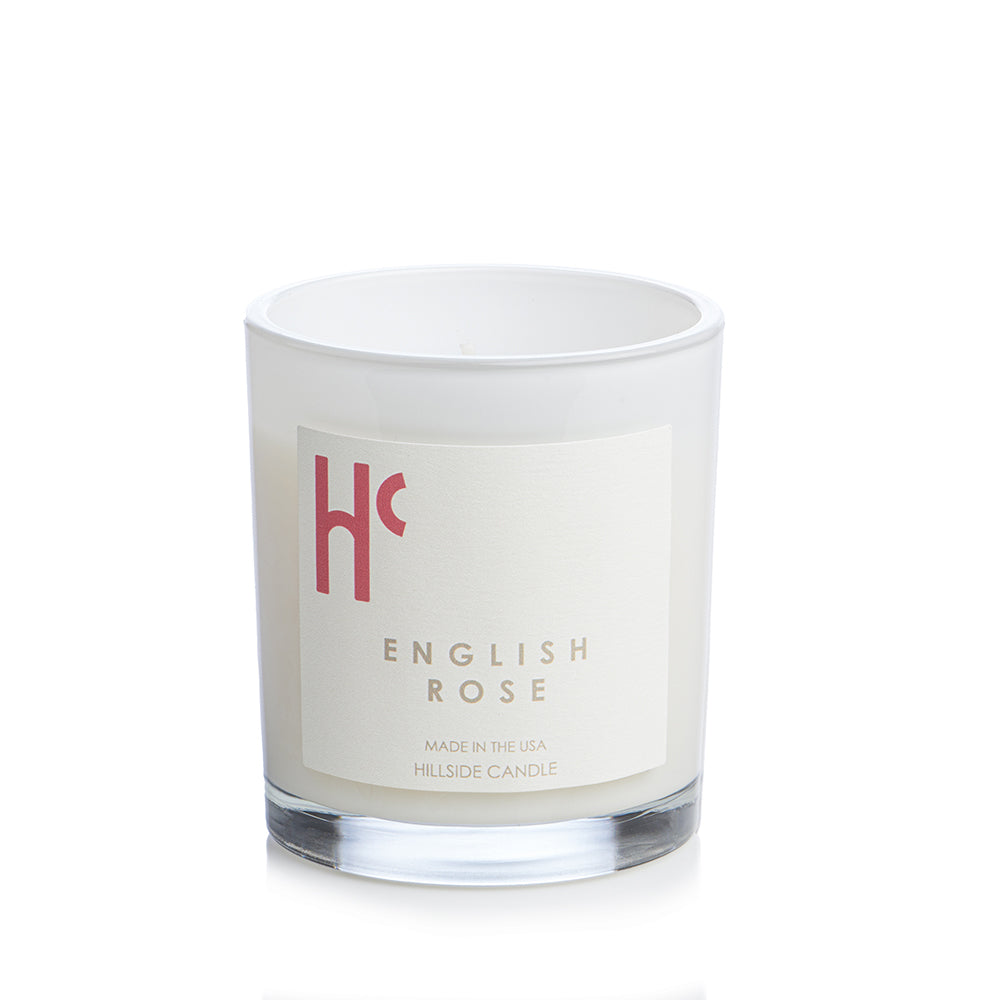
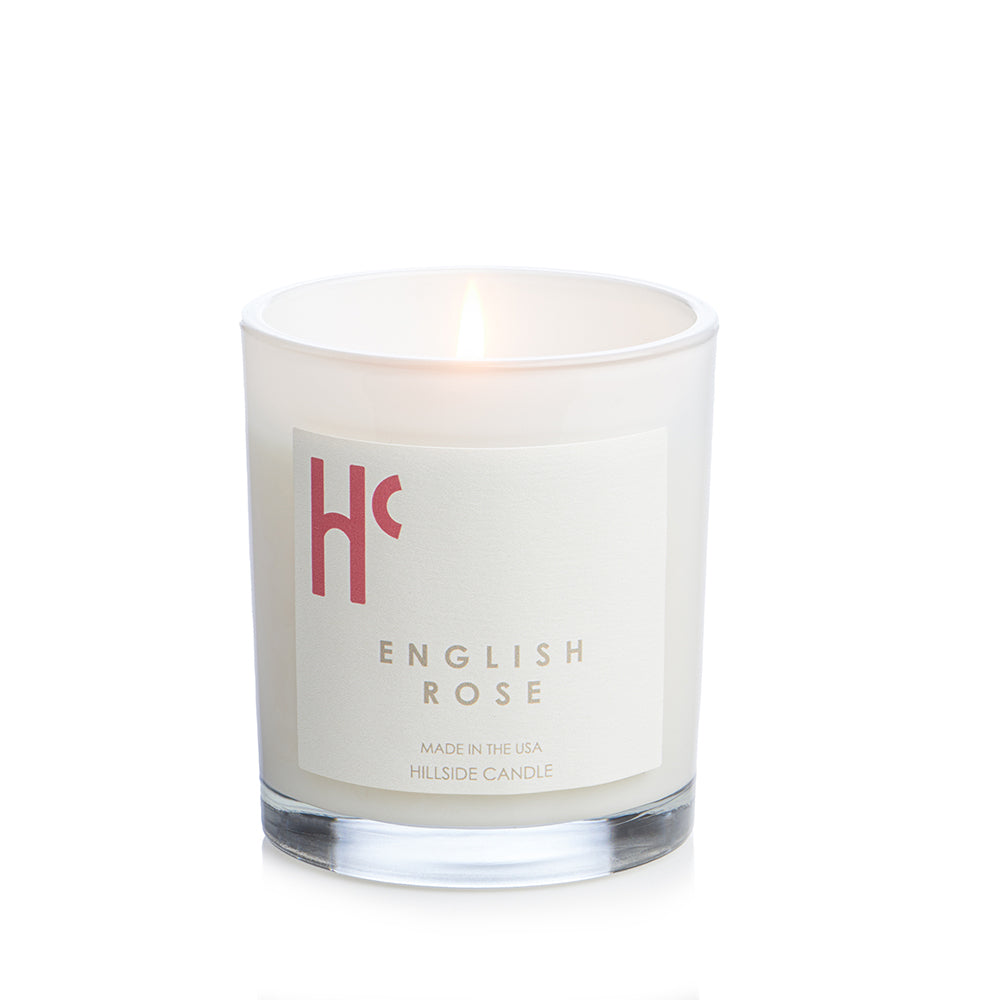
Hillside Candle "English Rose" Candle
- Regular
- $36.99
- Sale
- $36.99
- Regular
-
- Unit Price
- per

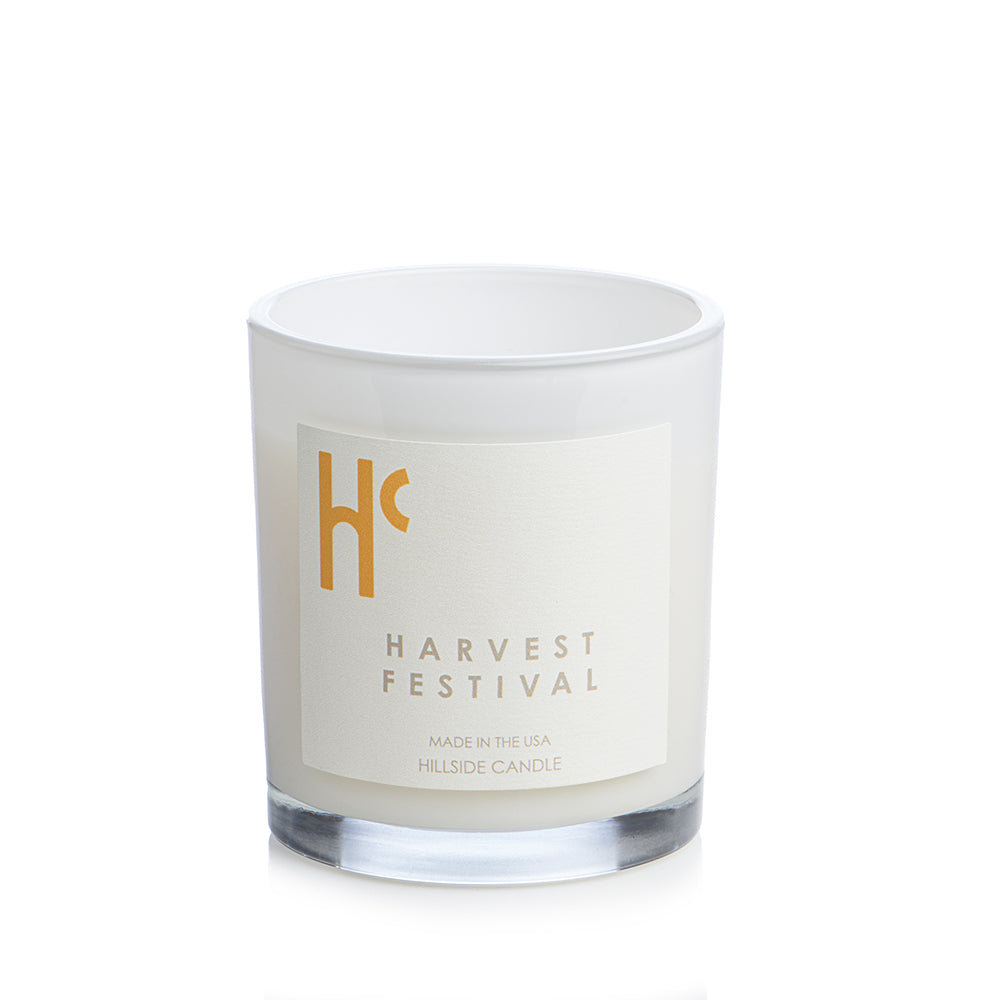
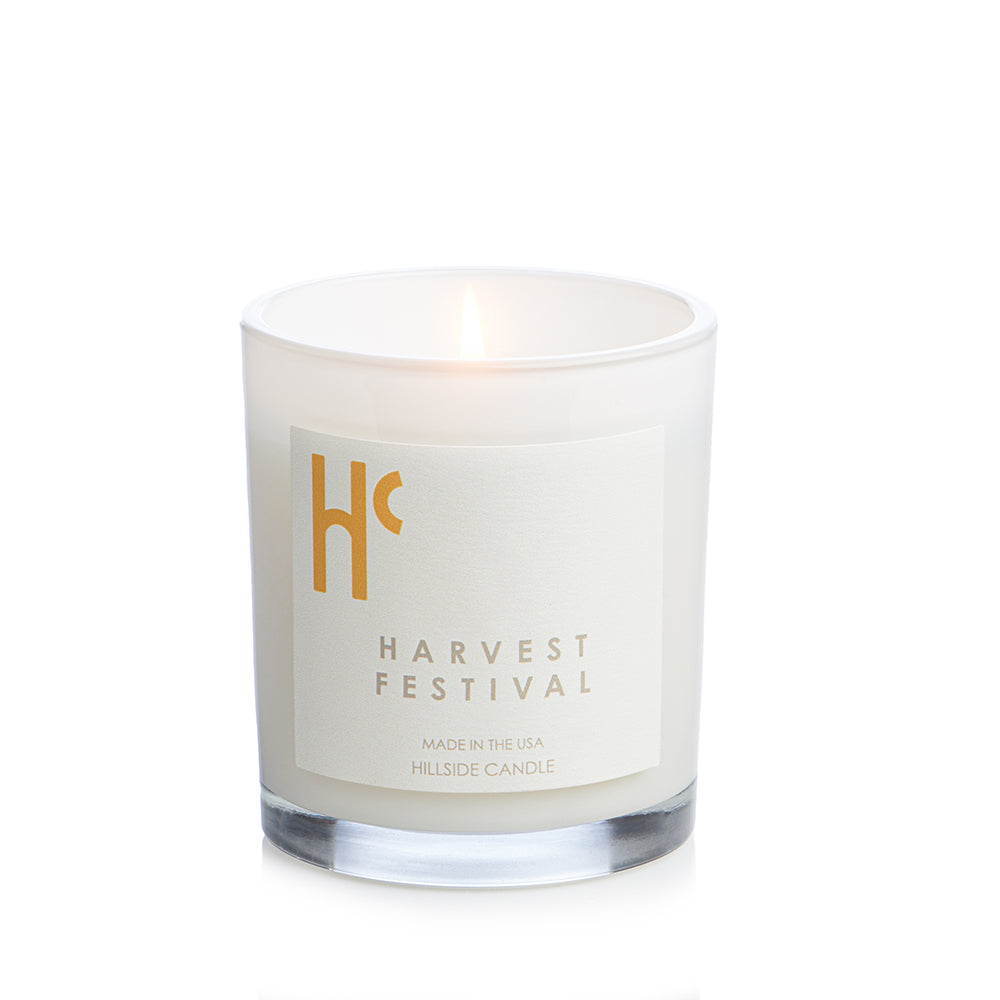
Hillside Candle "Harvest Festival" Candle
- Regular
- $36.99
- Sale
- $36.99
- Regular
-
- Unit Price
- per

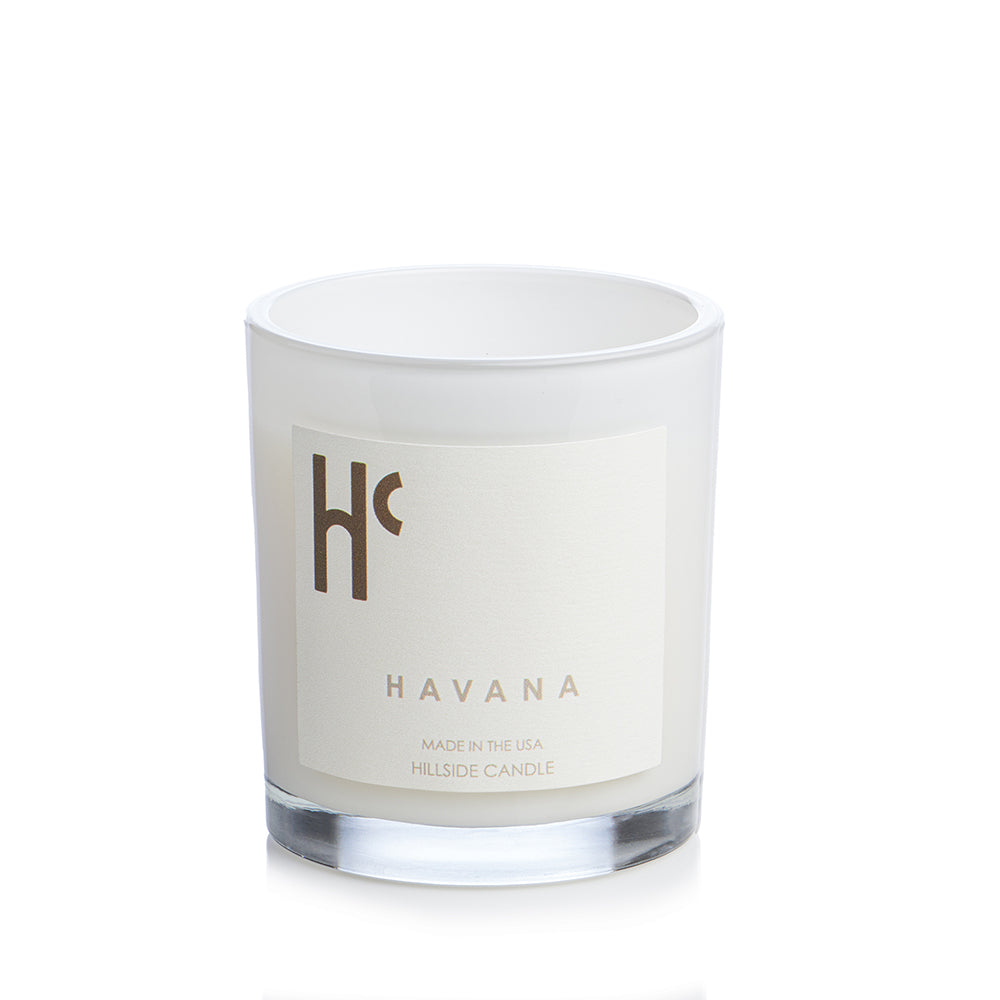
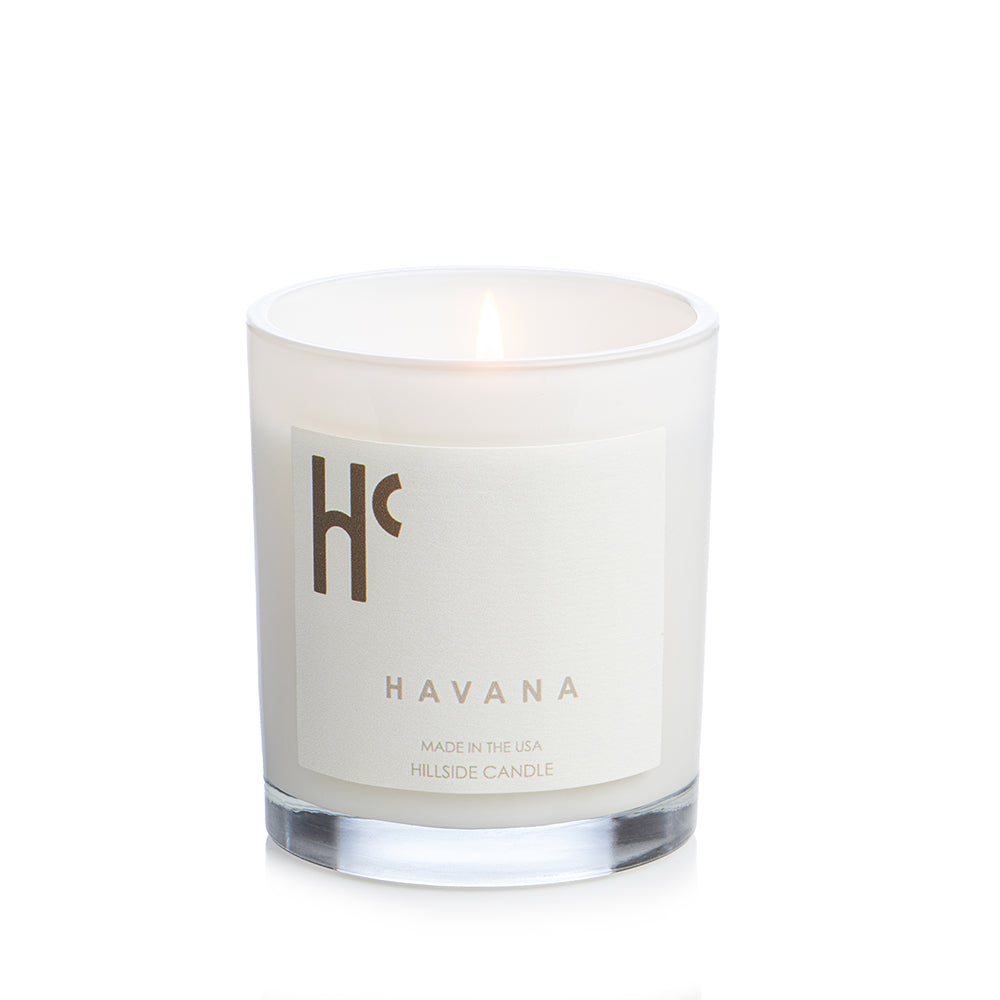
Hillside Candle "Havana" Candle
- Regular
- $36.99
- Sale
- $36.99
- Regular
-
- Unit Price
- per

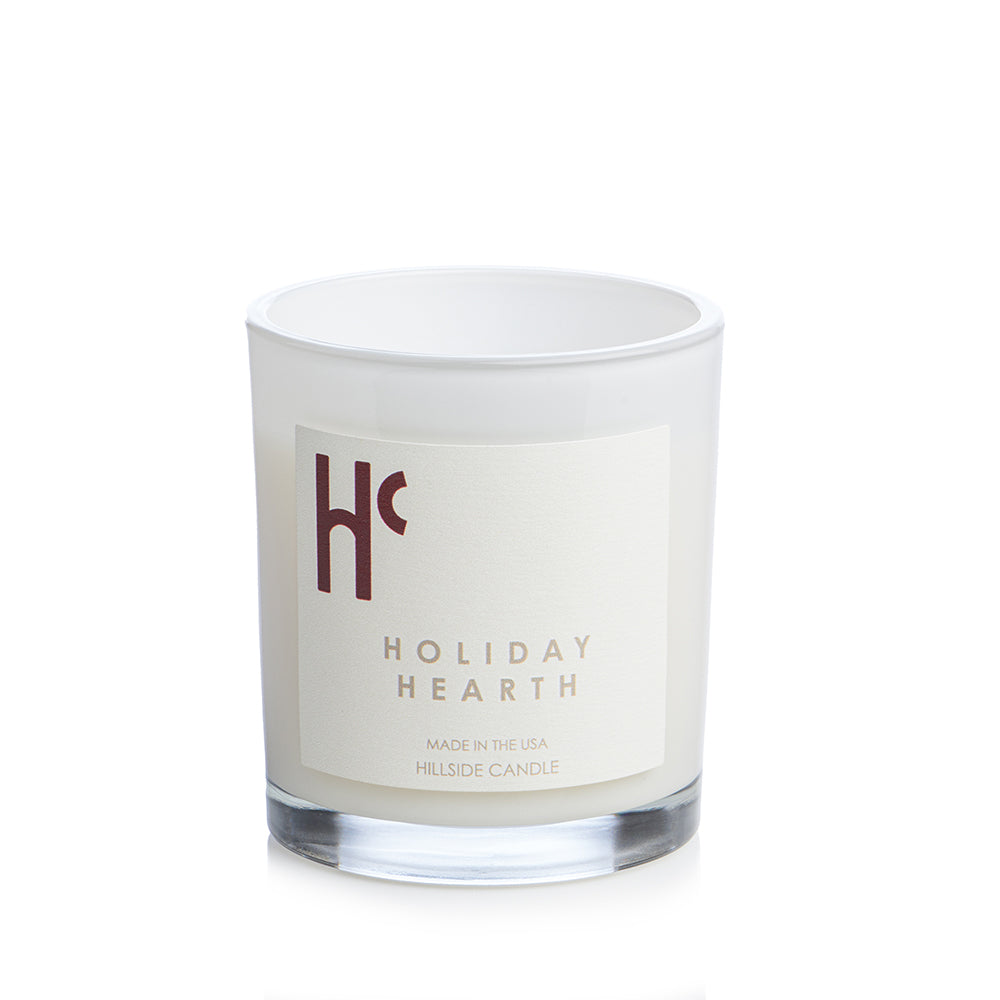
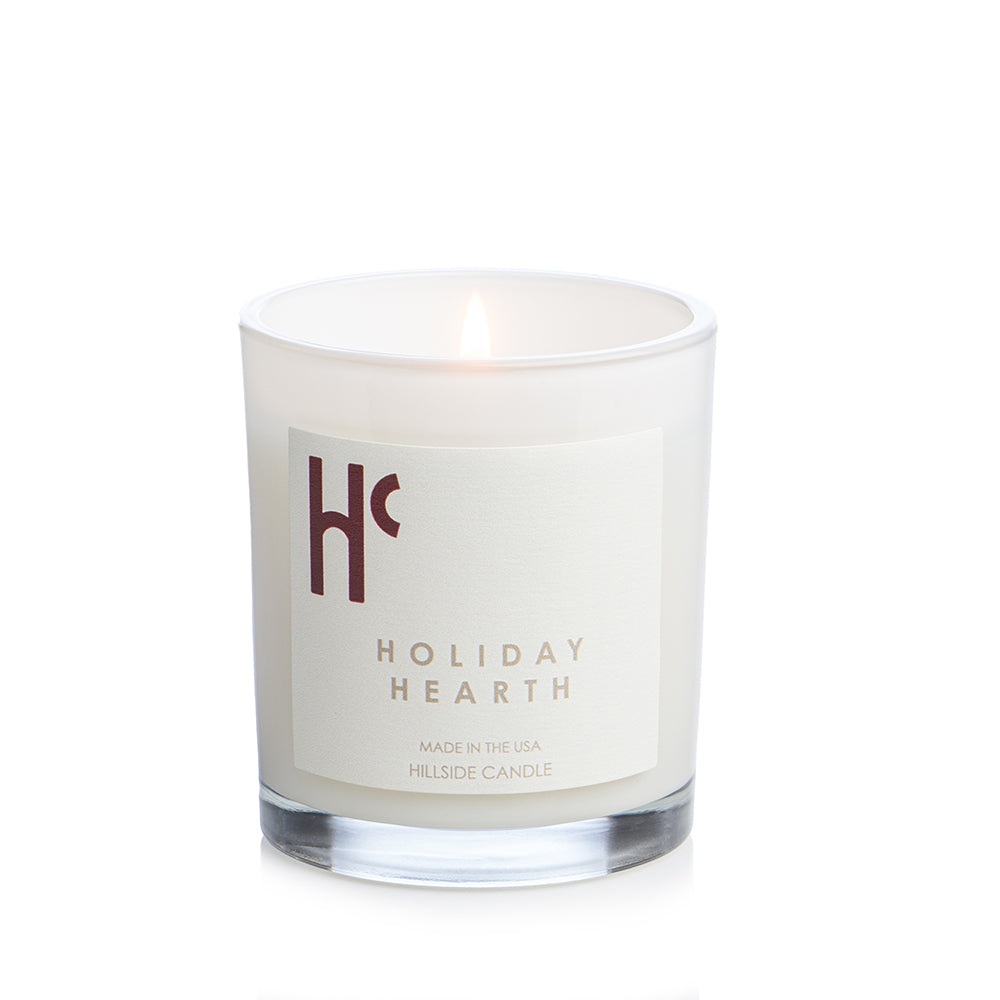
Hillside Candle "Holiday Hearth" Candle
- Regular
- $36.99
- Sale
- $36.99
- Regular
-
- Unit Price
- per

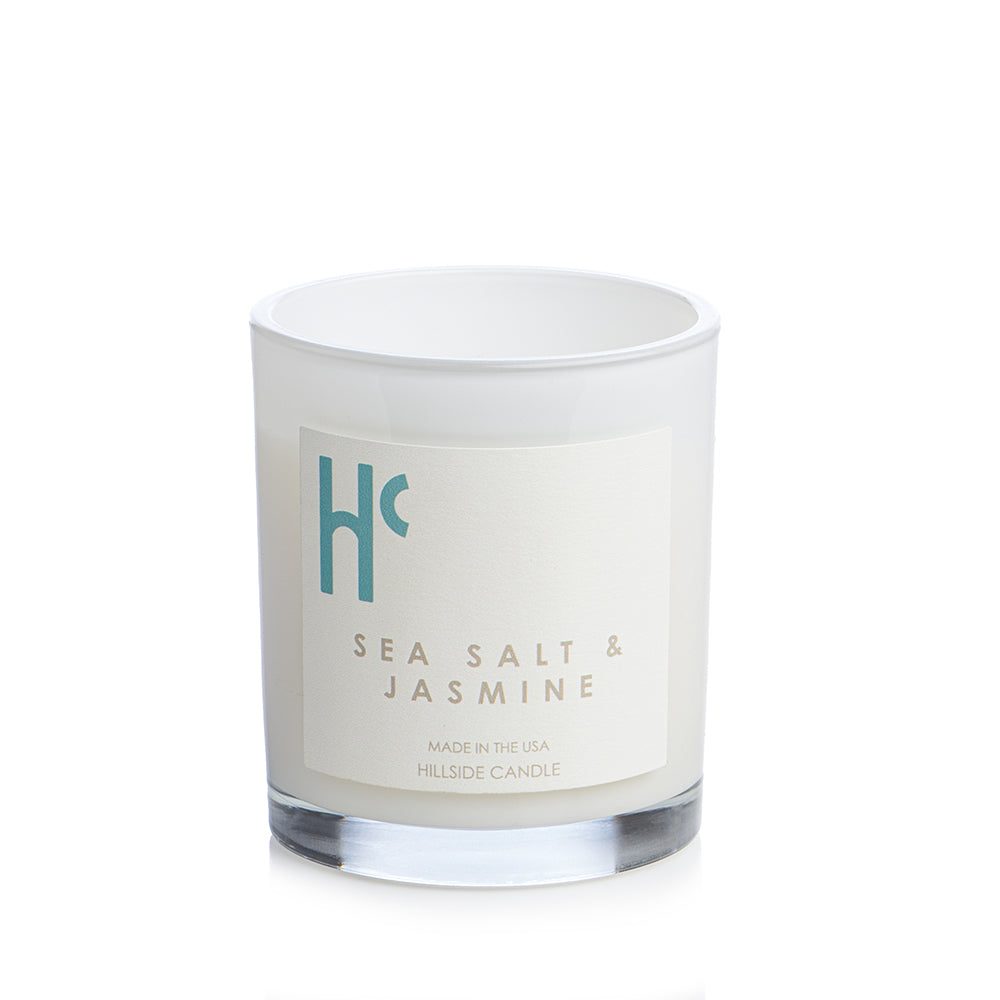
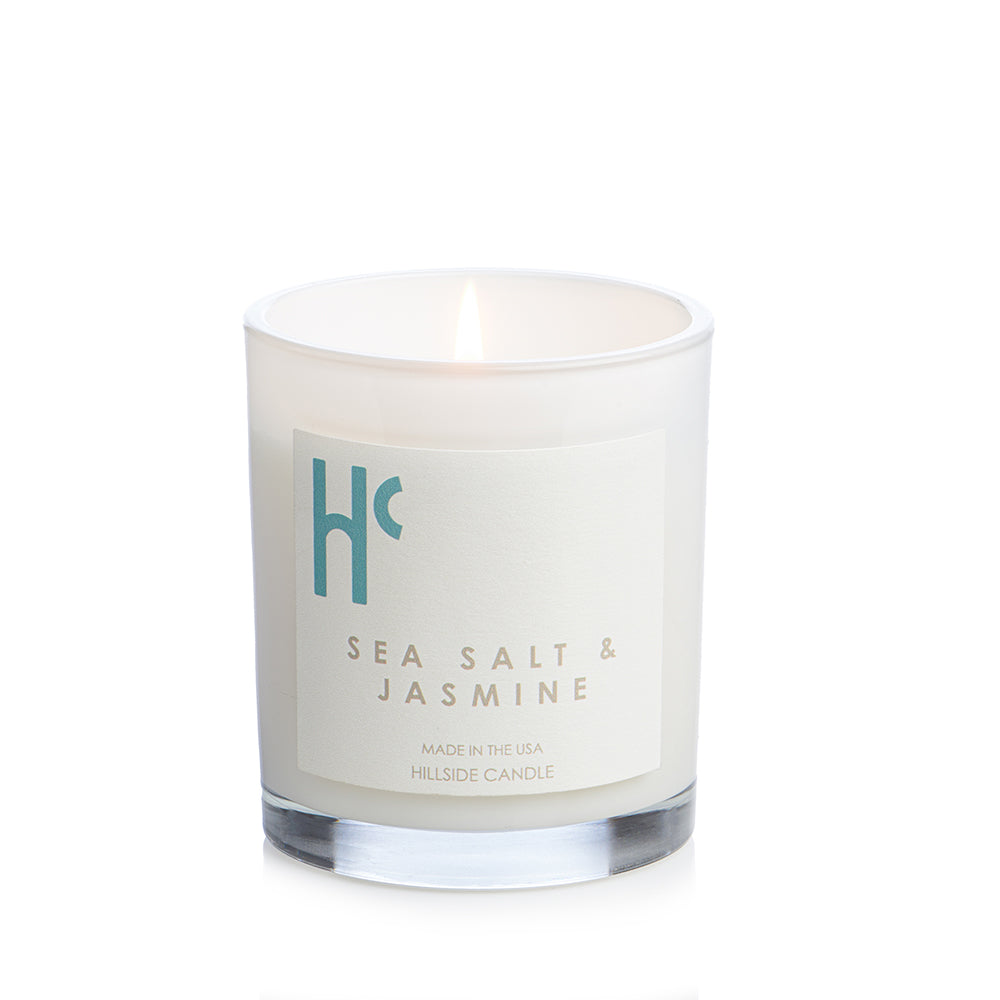
Hillside Candle "Sea Salt & Jasmine" Candle
- Regular
- $36.99
- Sale
- $36.99
- Regular
-
- Unit Price
- per

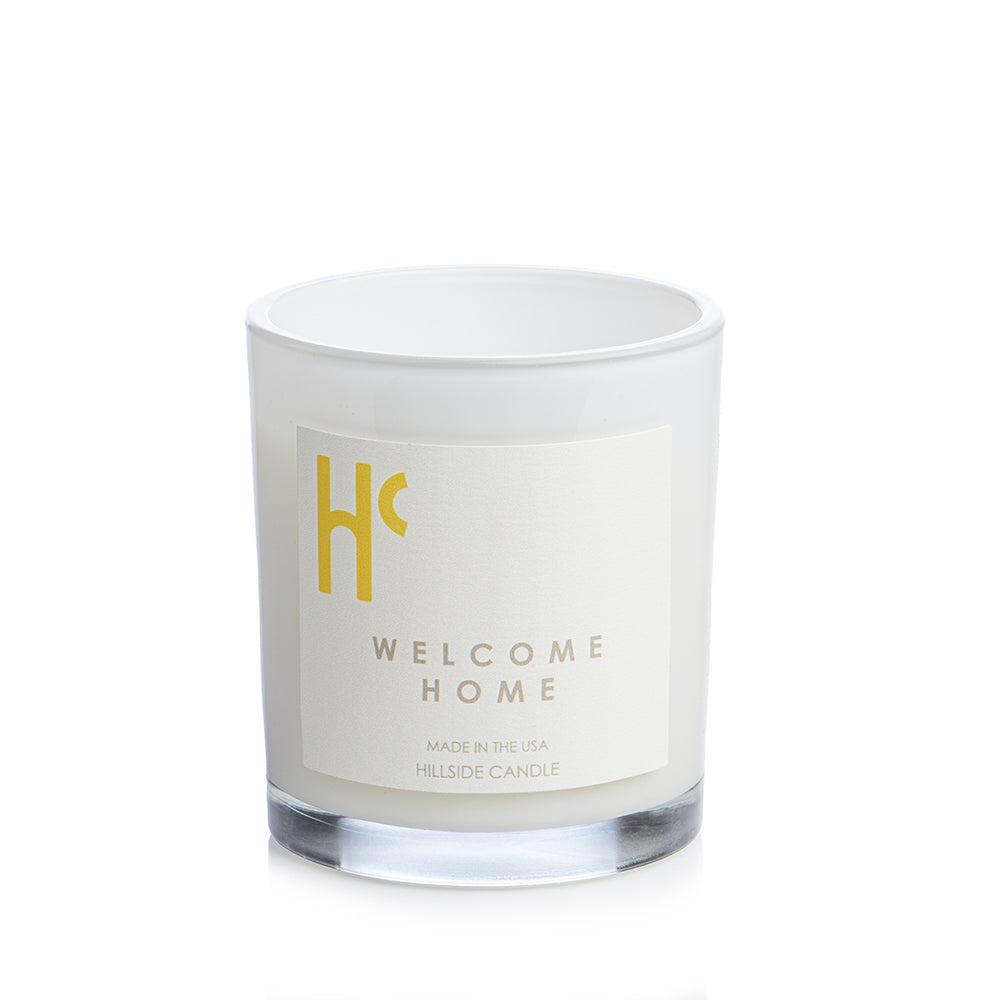
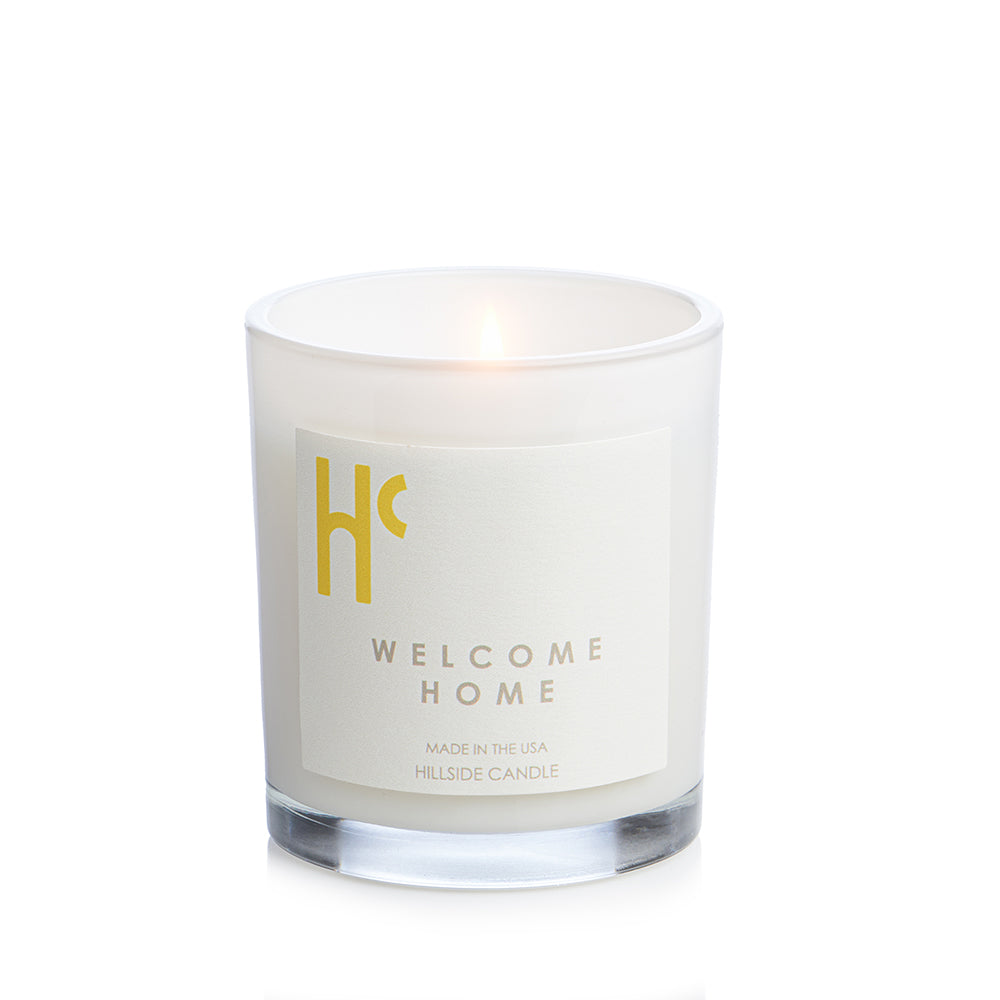
Hillside Candle "Welcome Home" Candle
- Regular
- $36.99
- Sale
- $36.99
- Regular
-
- Unit Price
- per

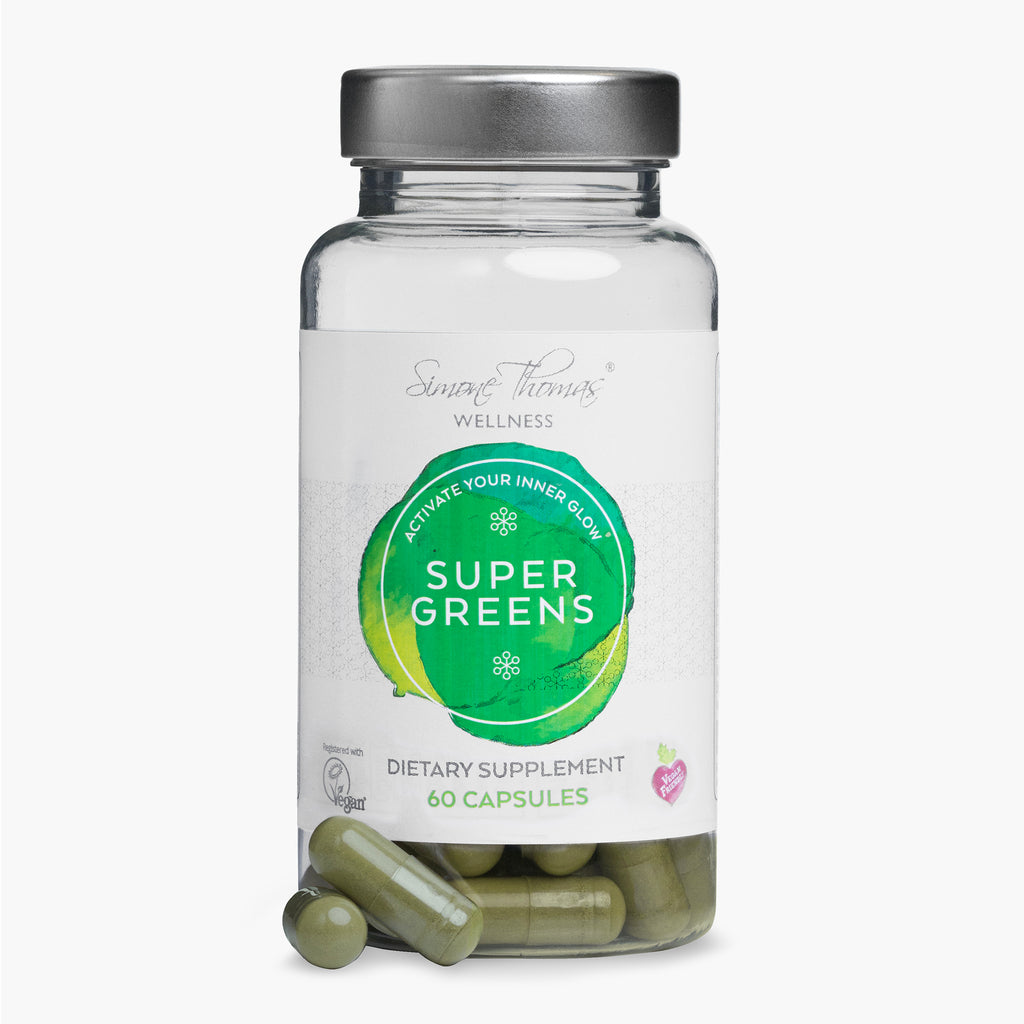
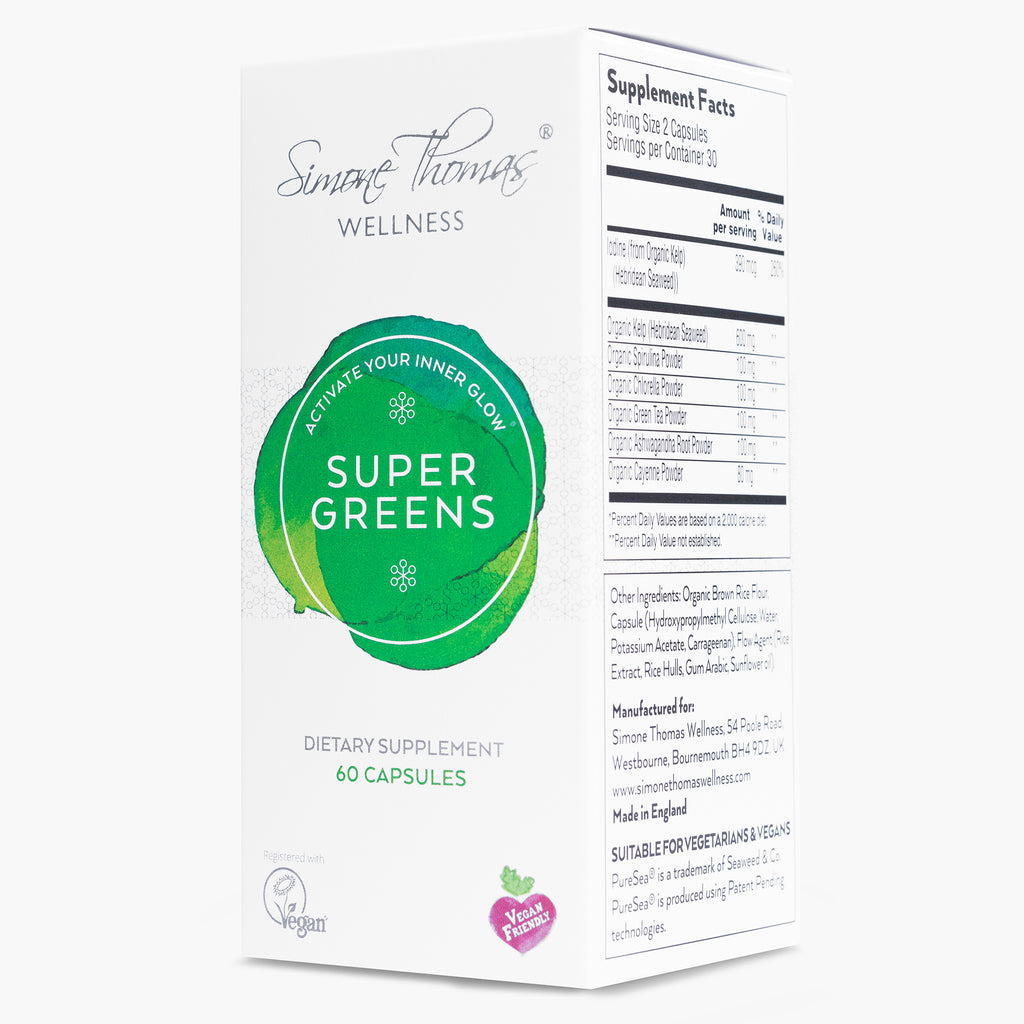
Simone Thomas Wellness Super Greens
- Regular
- $65.00
- Sale
- $65.00
- Regular
-
- Unit Price
- per

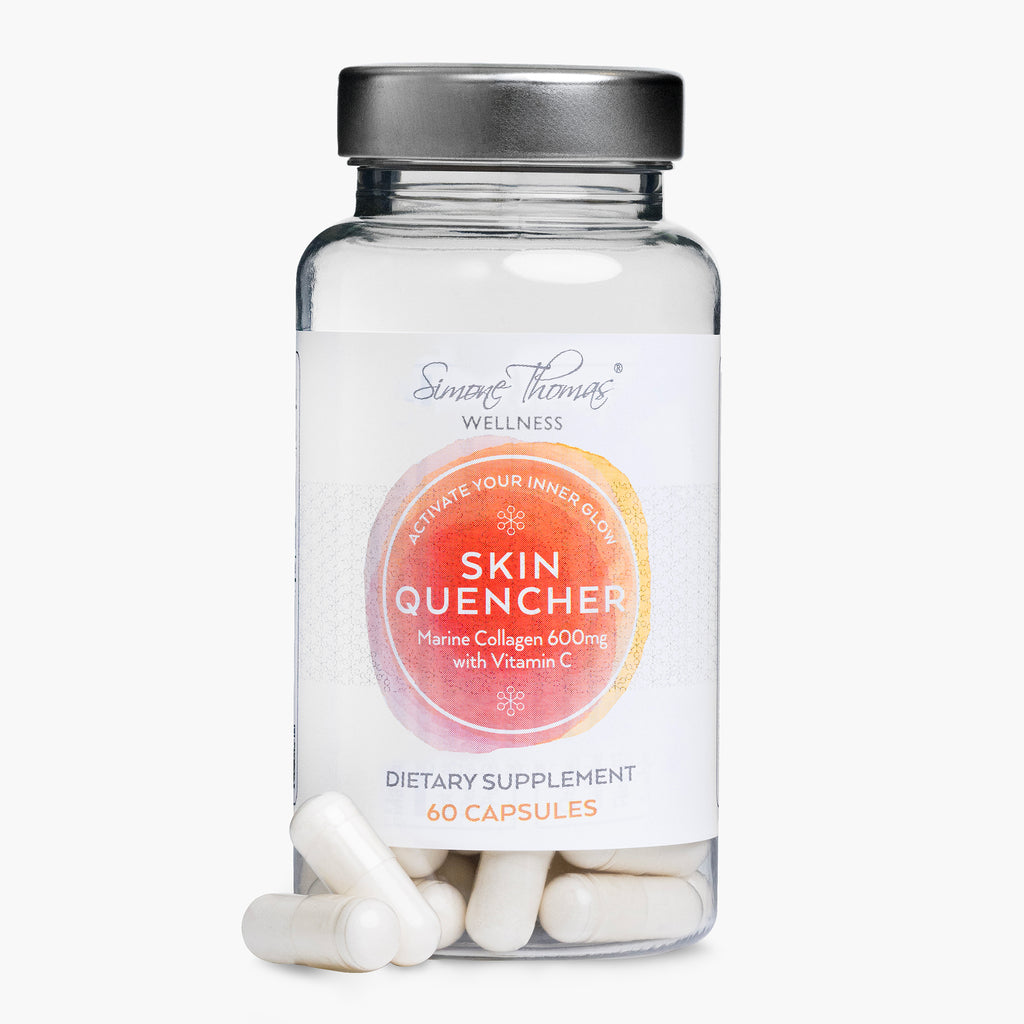
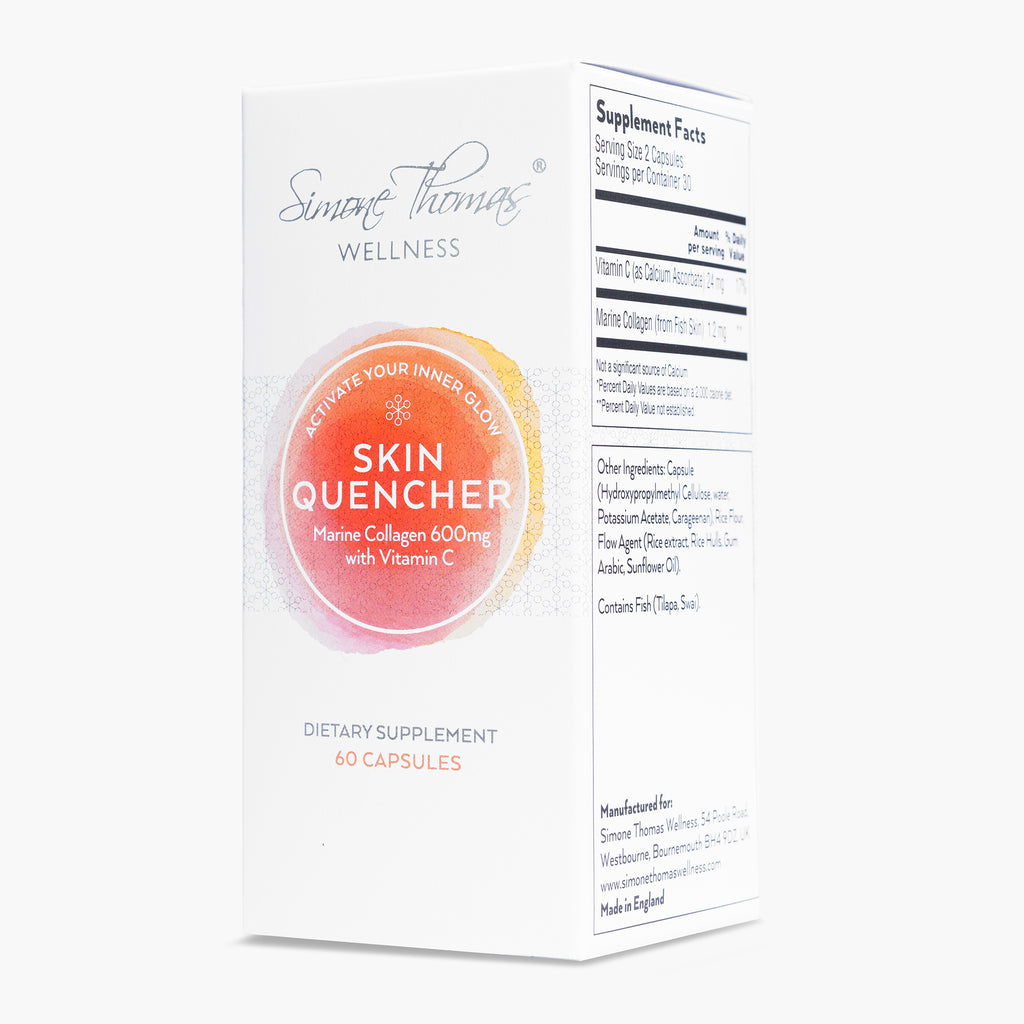
Simone Thomas Wellness Skin Quencher
- Regular
- $52.00
- Sale
- $52.00
- Regular
-
- Unit Price
- per

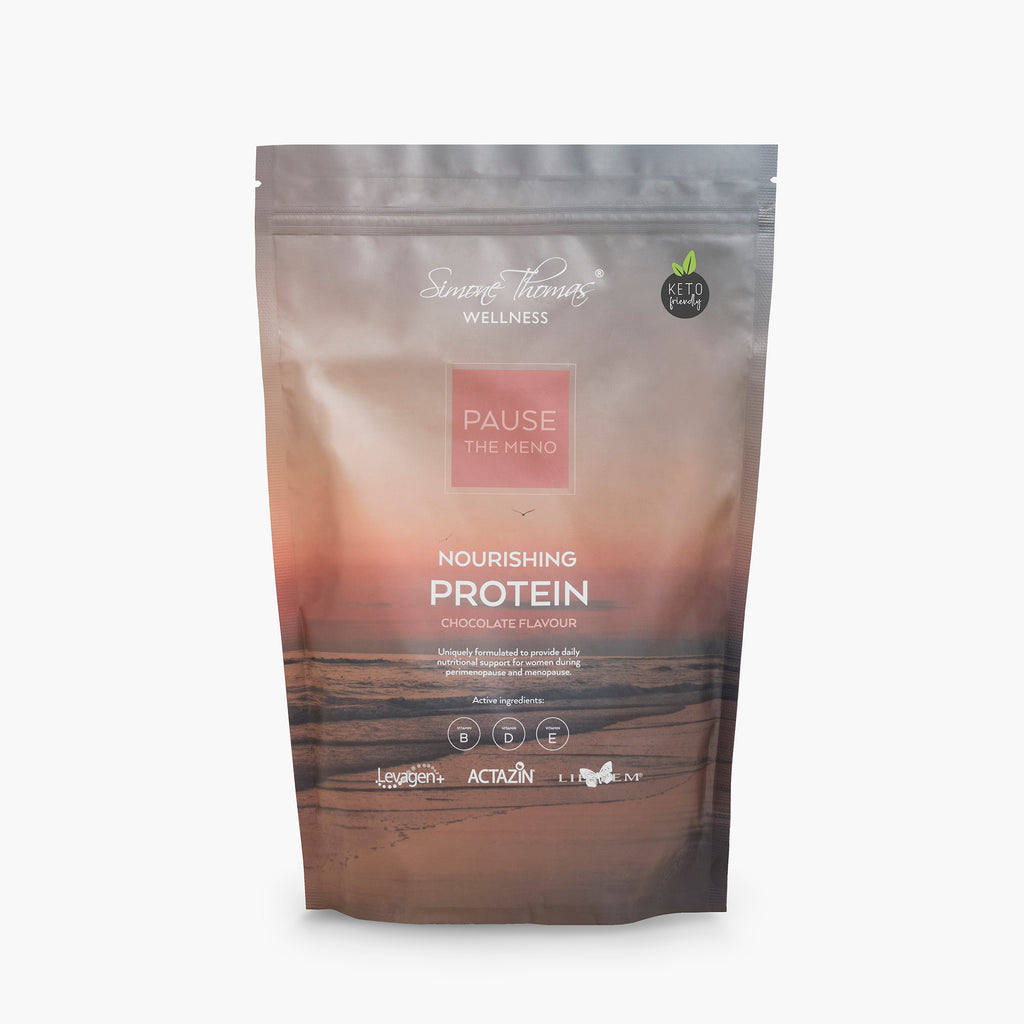
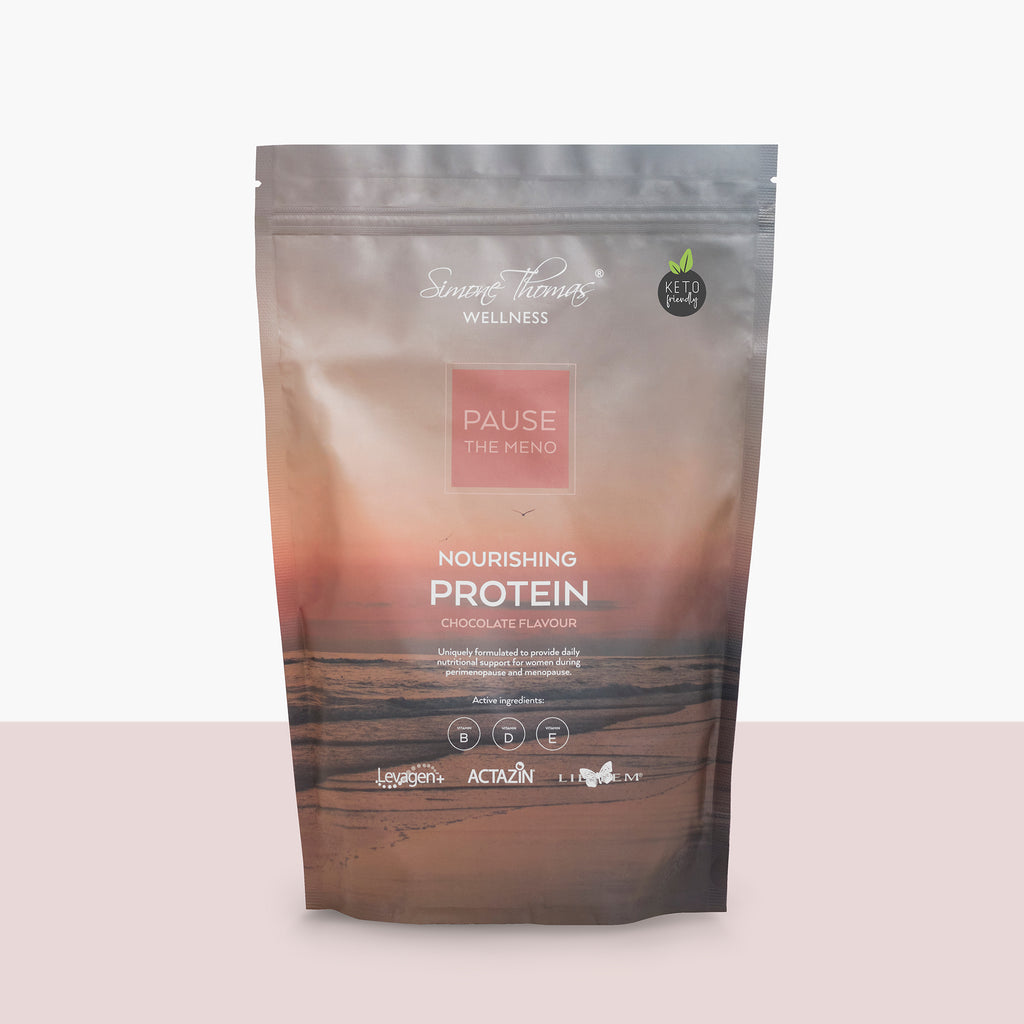
Simone Thomas Wellness Pause the Meno
- Regular
- $199.00
- Sale
- $199.00
- Regular
-
- Unit Price
- per

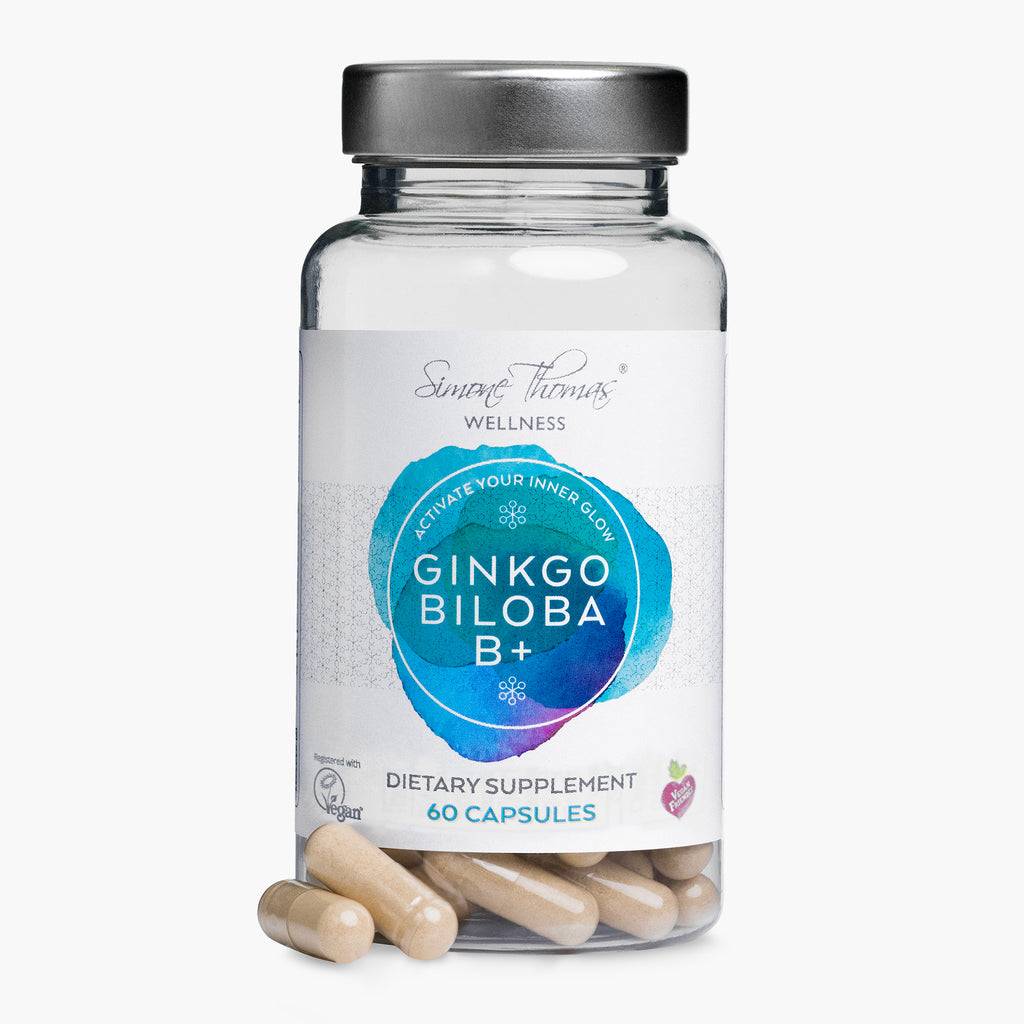
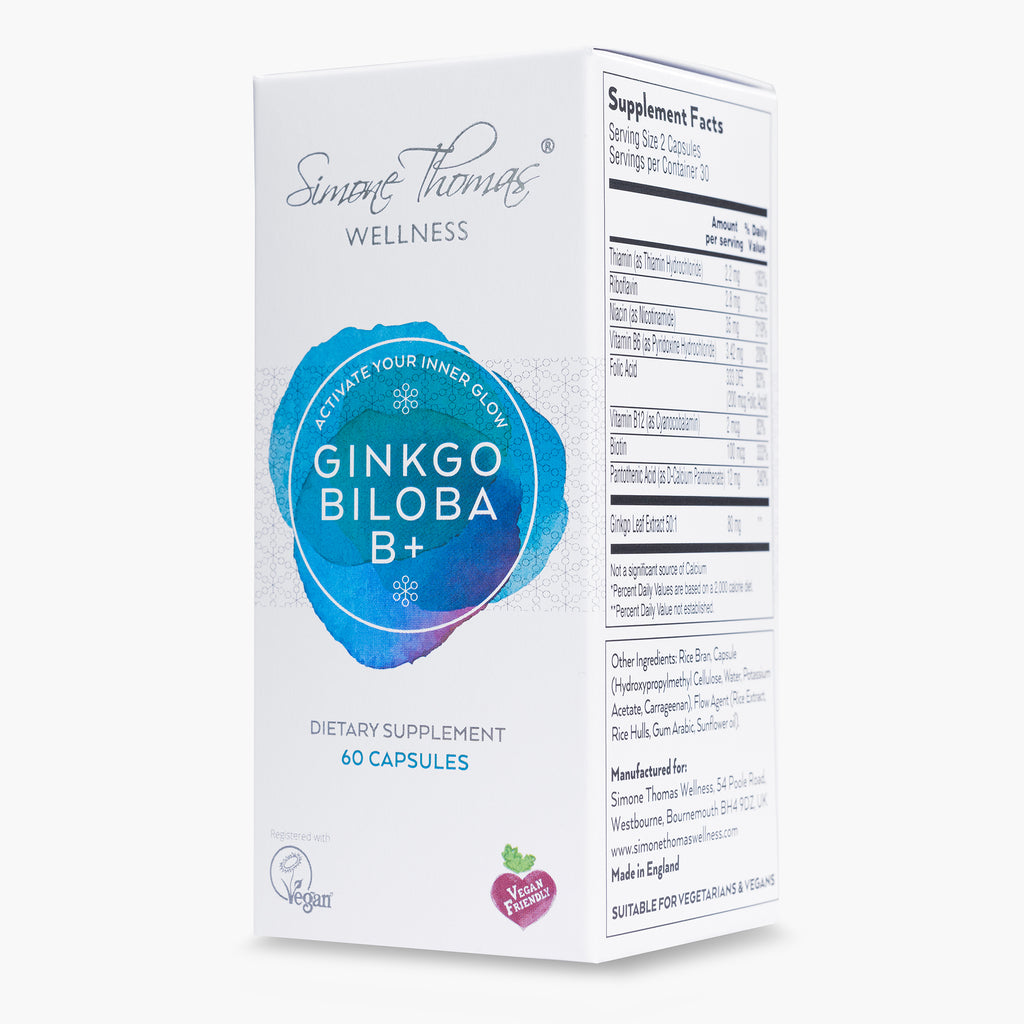
Simone Thomas Wellness Ginkgo Biloba B+
- Regular
- $60.00
- Sale
- $60.00
- Regular
-
- Unit Price
- per

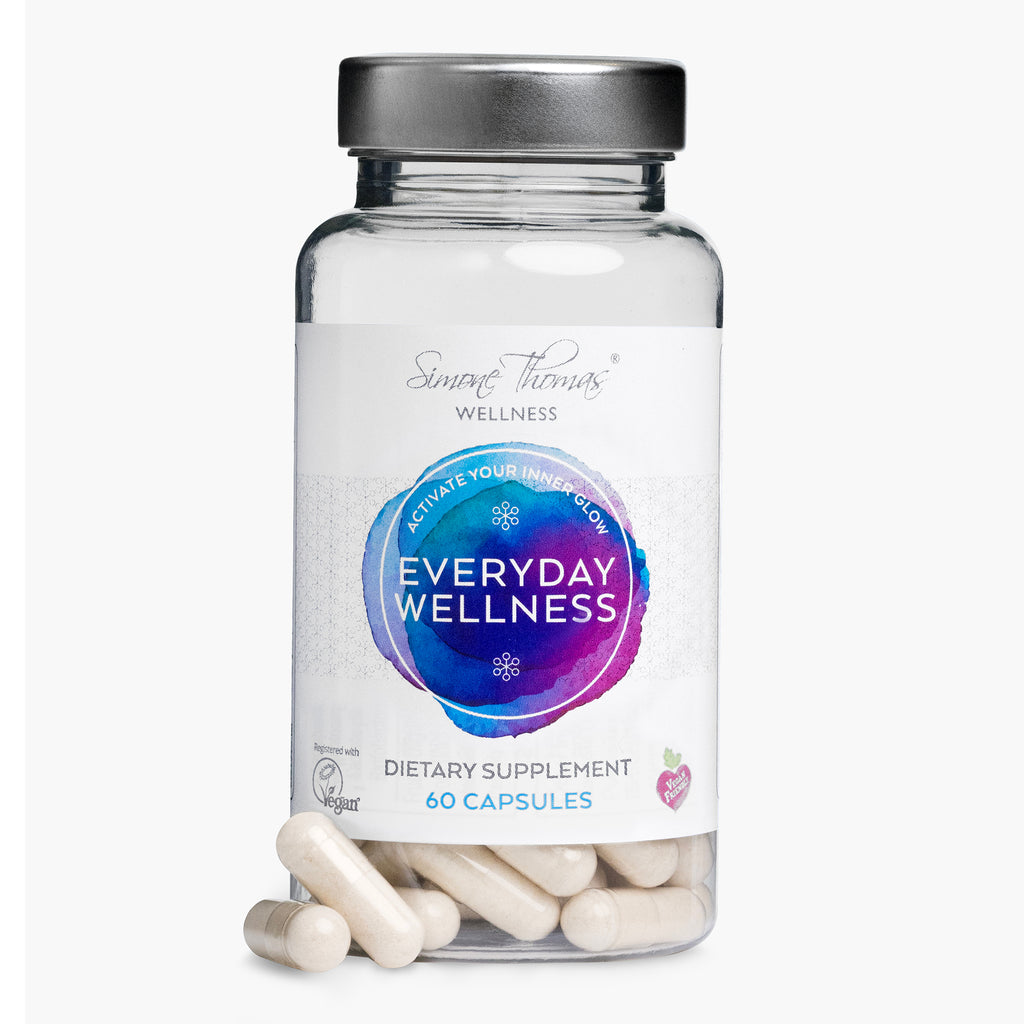
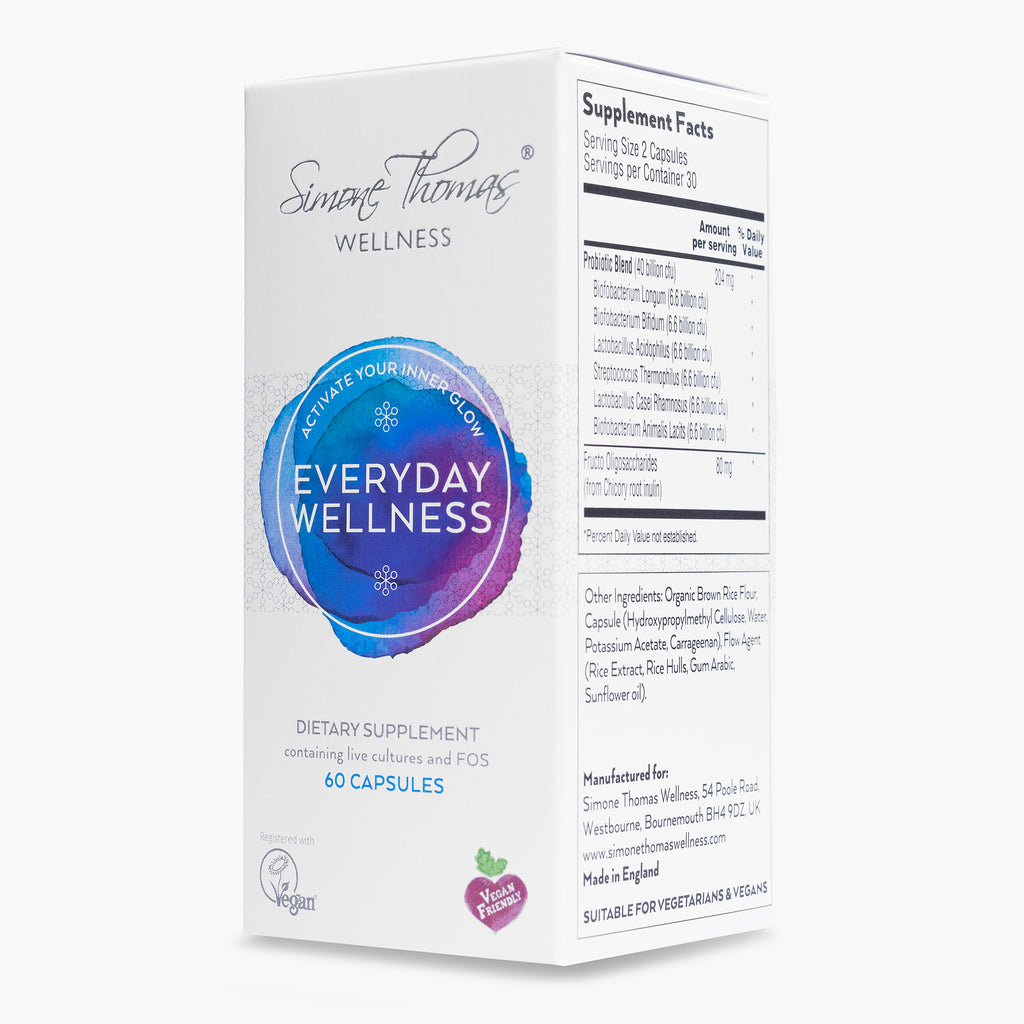
Simone Thomas Wellness Everyday Wellness
- Regular
- $100.00
- Sale
- $100.00
- Regular
-
- Unit Price
- per

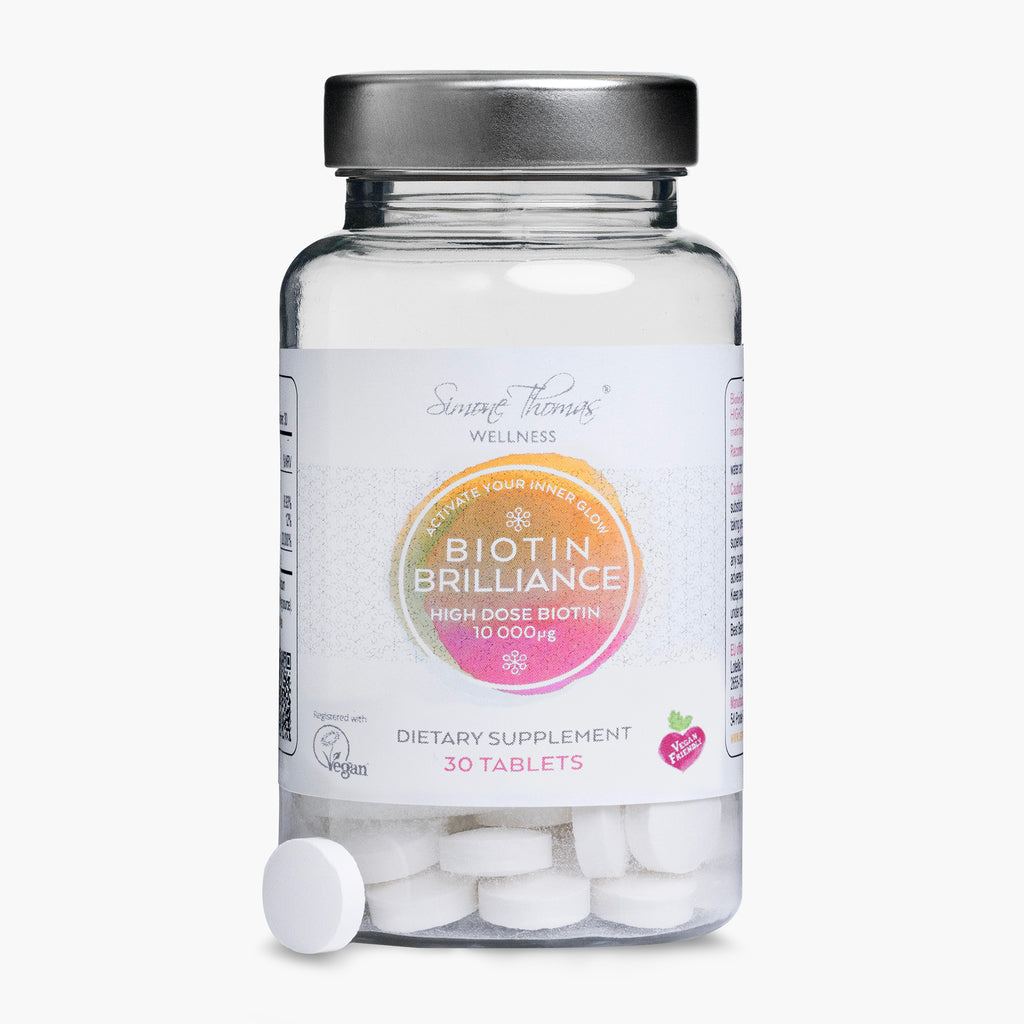
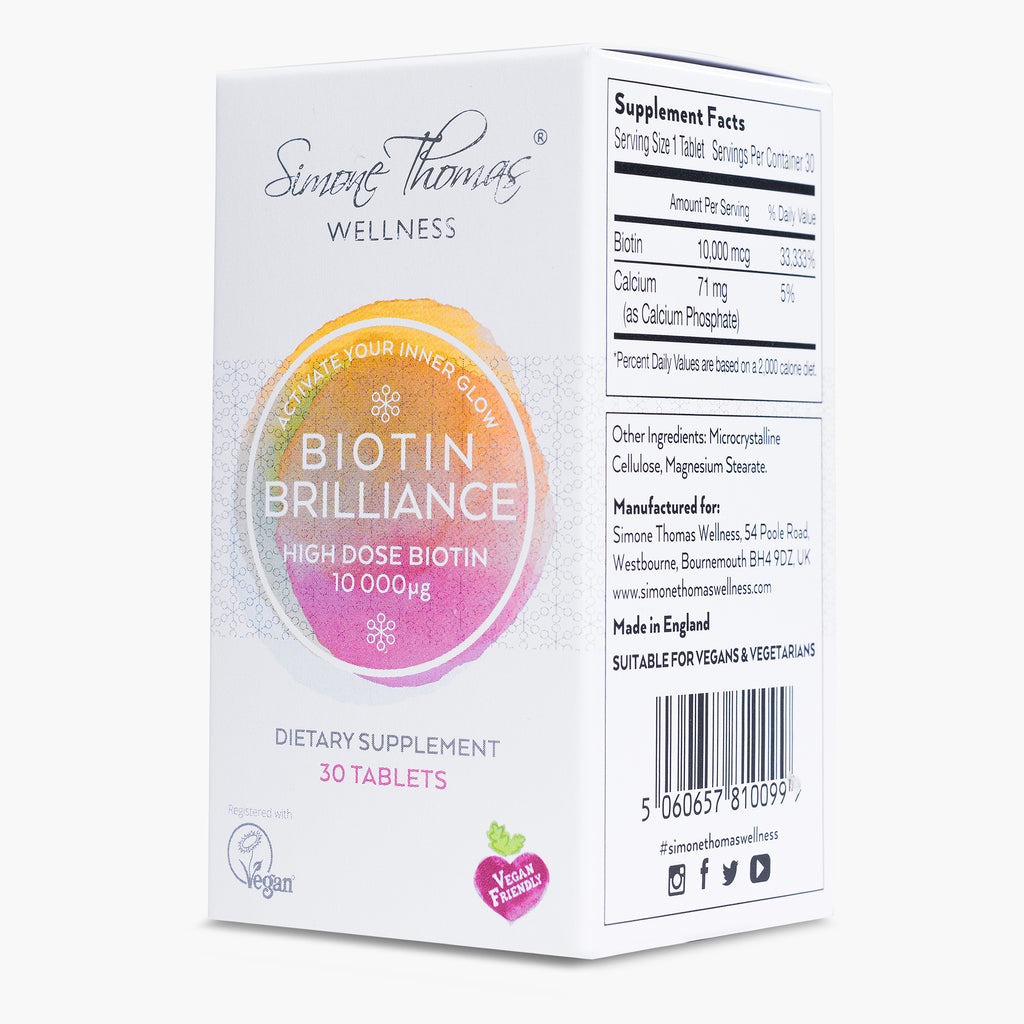
Simone Thomas Wellness Biotin Brilliance
- Regular
- $45.00
- Sale
- $45.00
- Regular
-
- Unit Price
- per

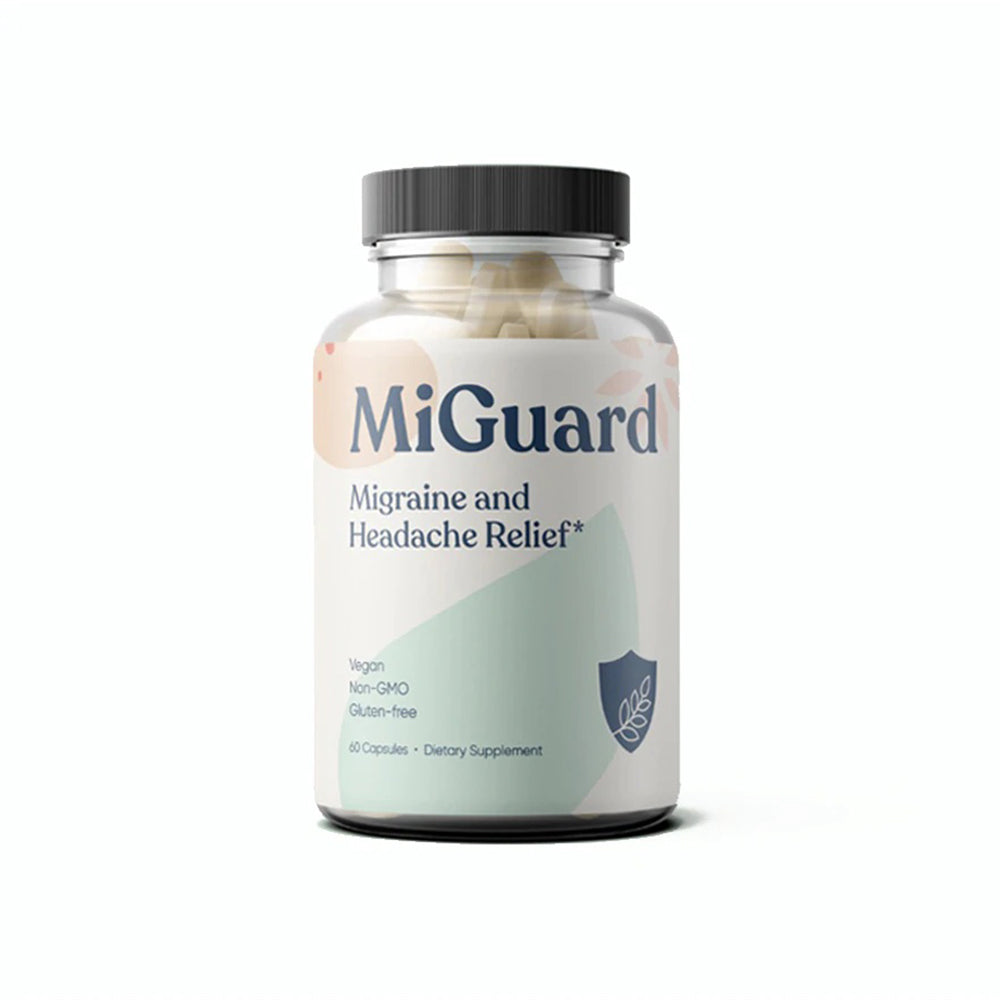
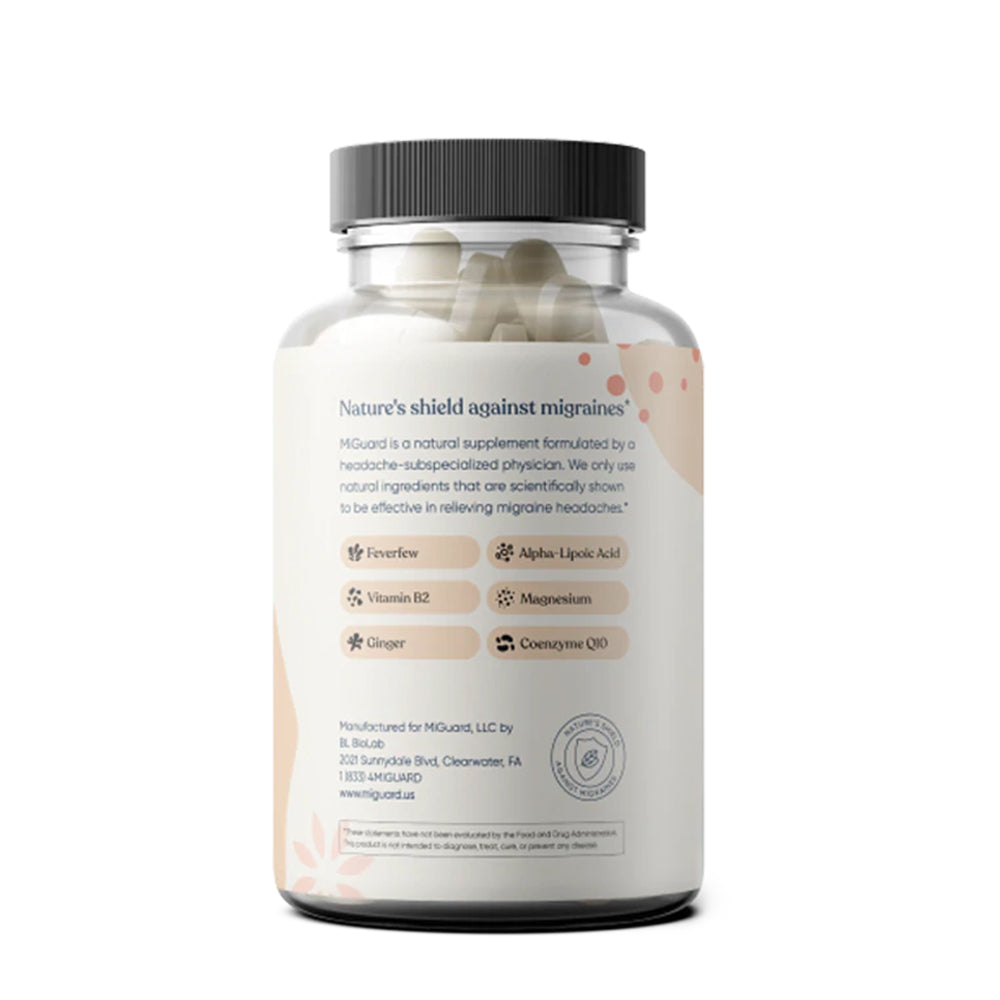
MiGuard - Migraine and Headache Relief Supplement
- Regular
- $59.95
- Sale
- $59.95
- Regular
-
- Unit Price
- per

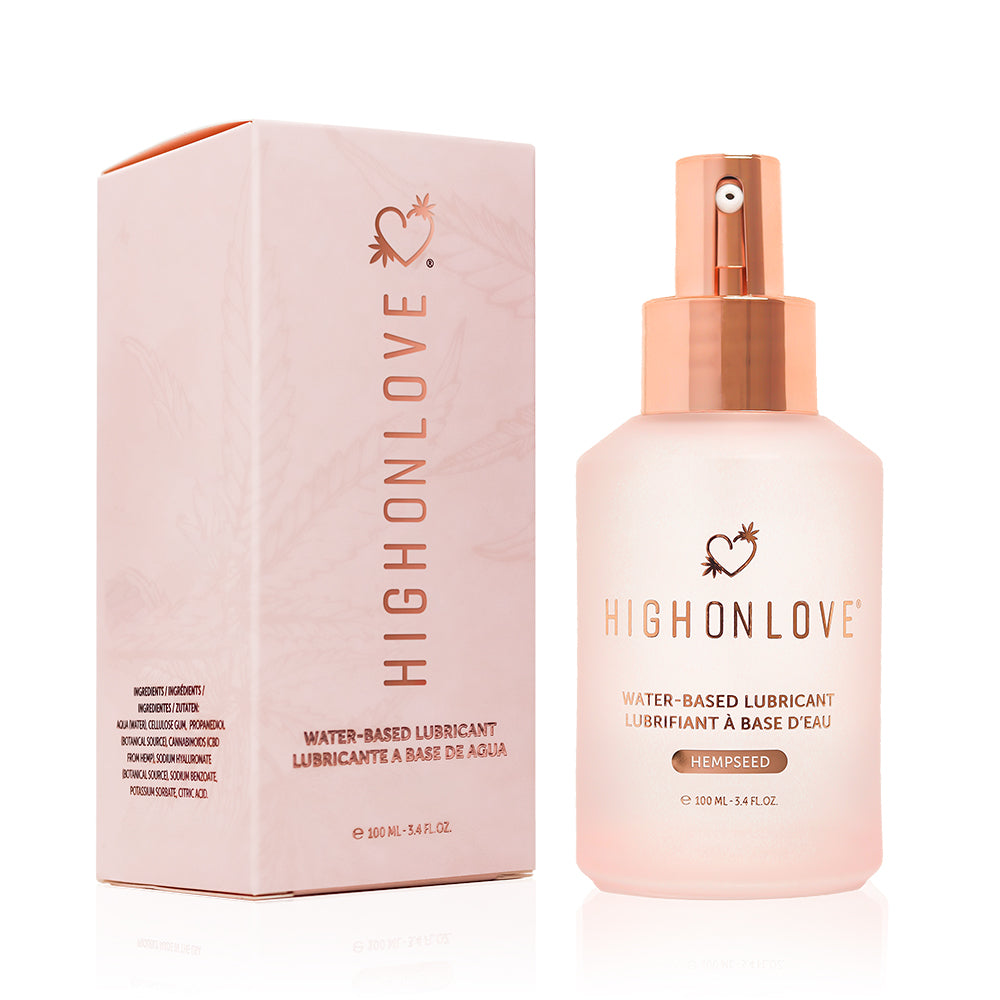
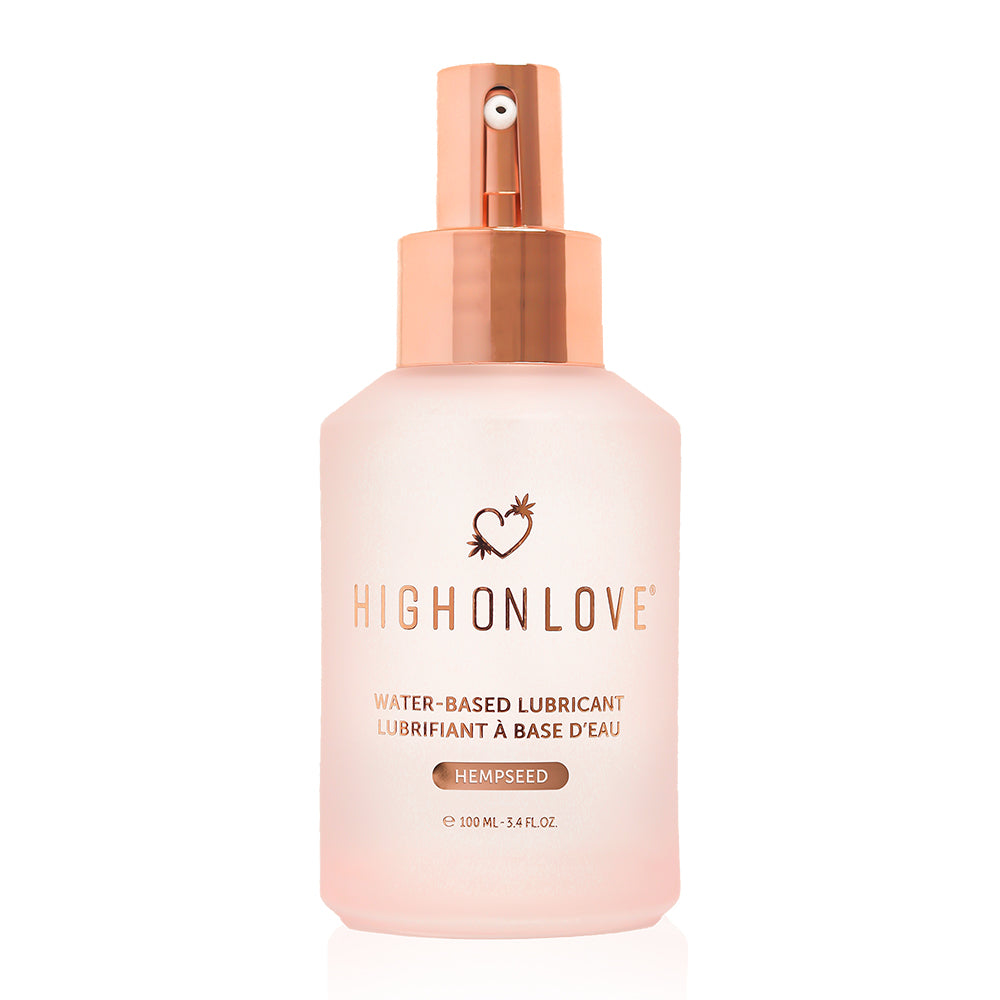
High on Love Water-Based Lubricant
- Regular
- $39.00
- Sale
- $39.00
- Regular
-
- Unit Price
- per

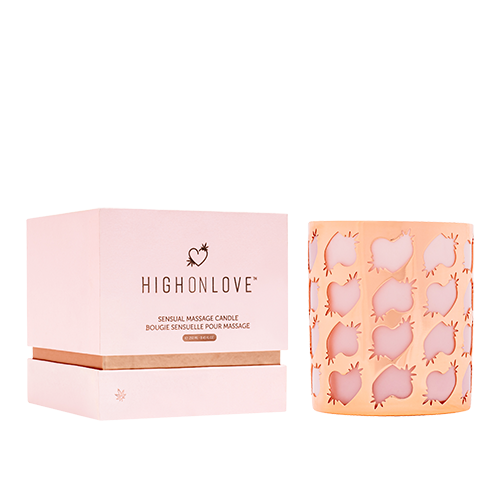
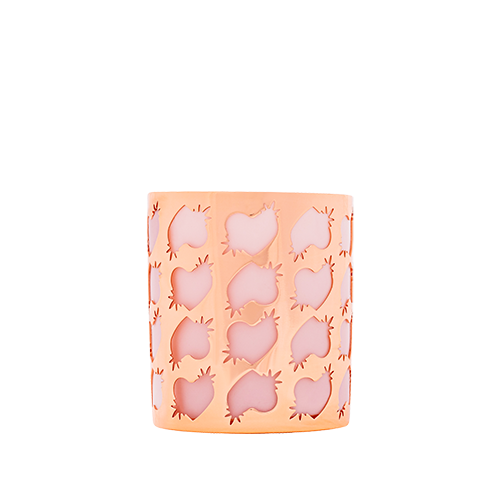
High on Love Massage Candle
- Regular
- $50.00
- Sale
- $50.00
- Regular
-
- Unit Price
- per

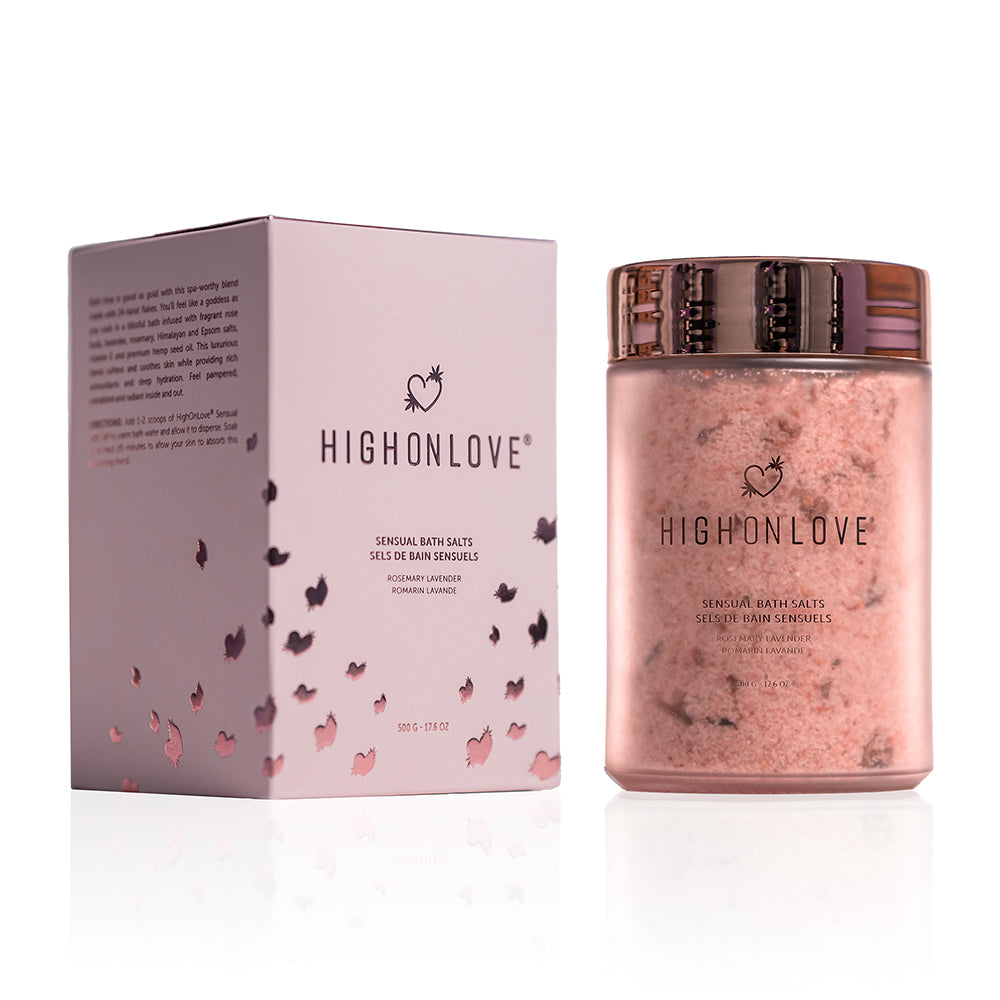
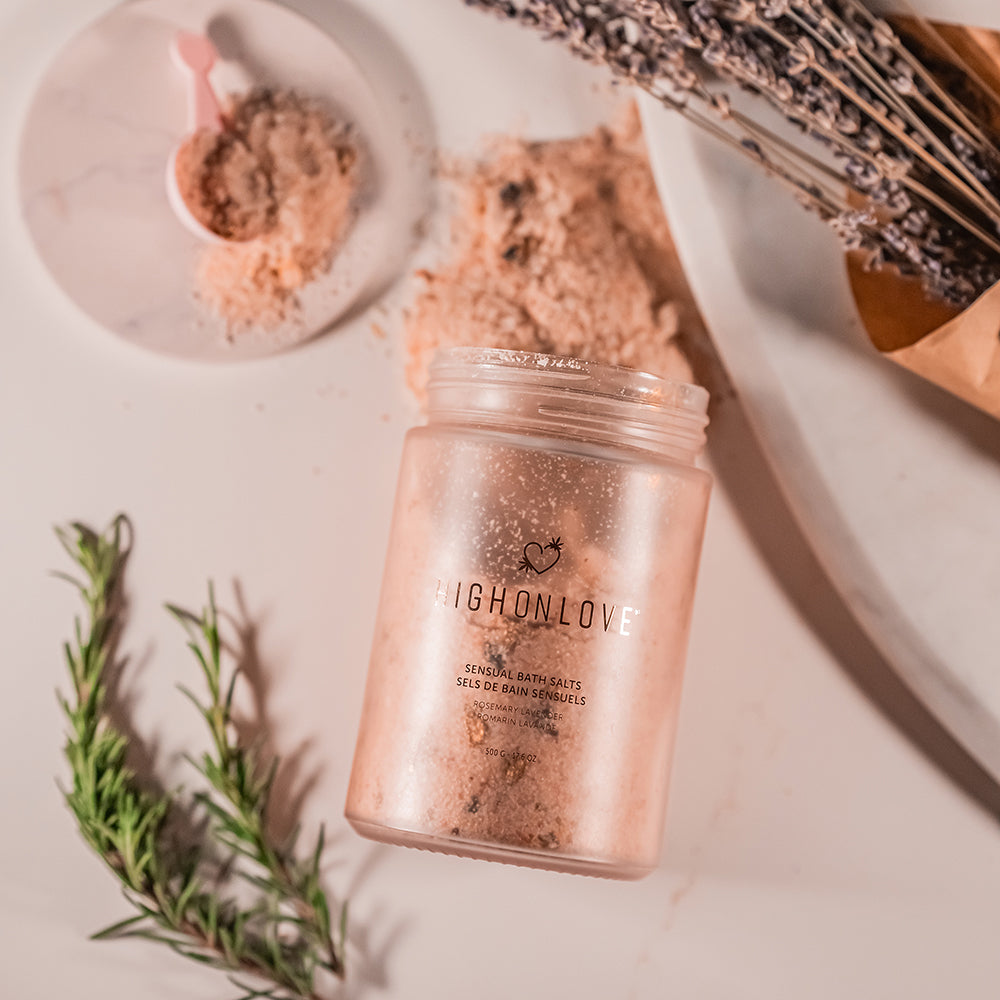
High on Love Sensual Bath Salts
- Regular
- $52.00
- Sale
- $52.00
- Regular
-
- Unit Price
- per

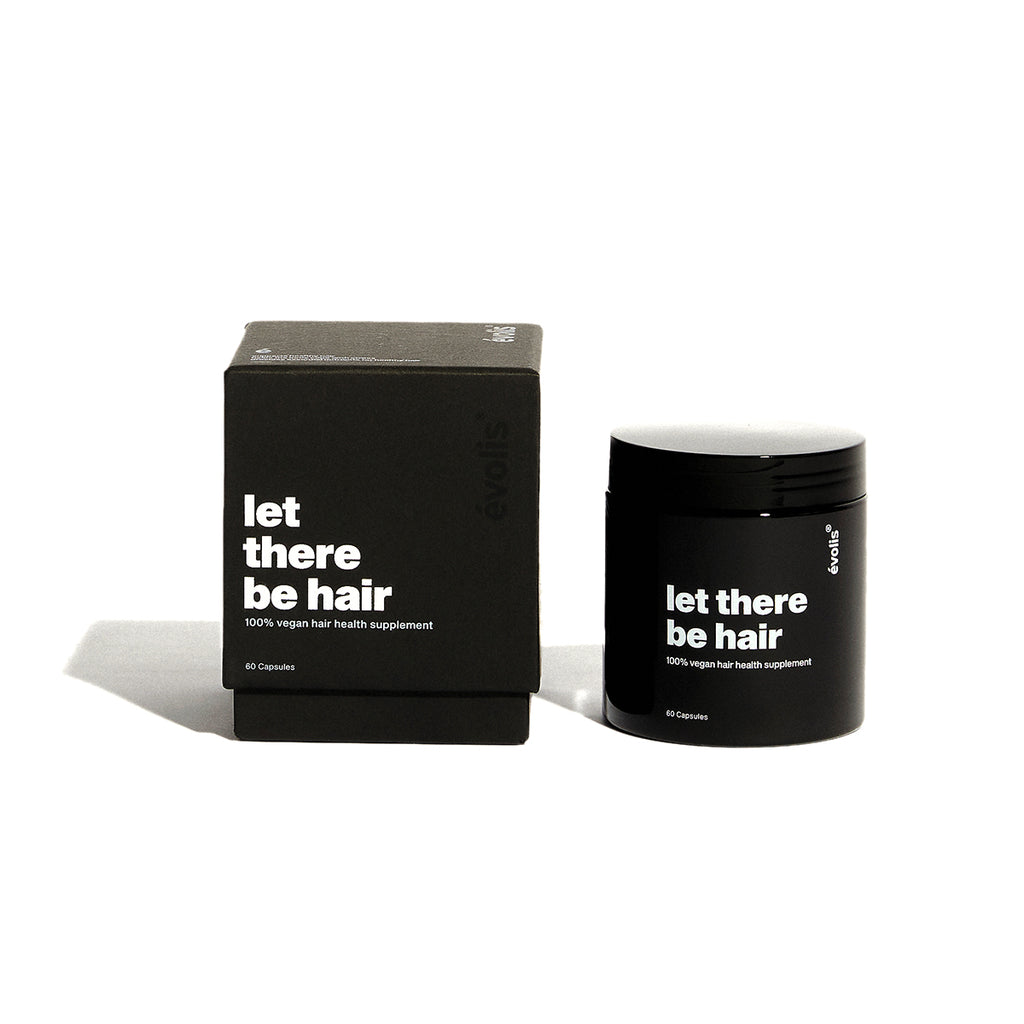
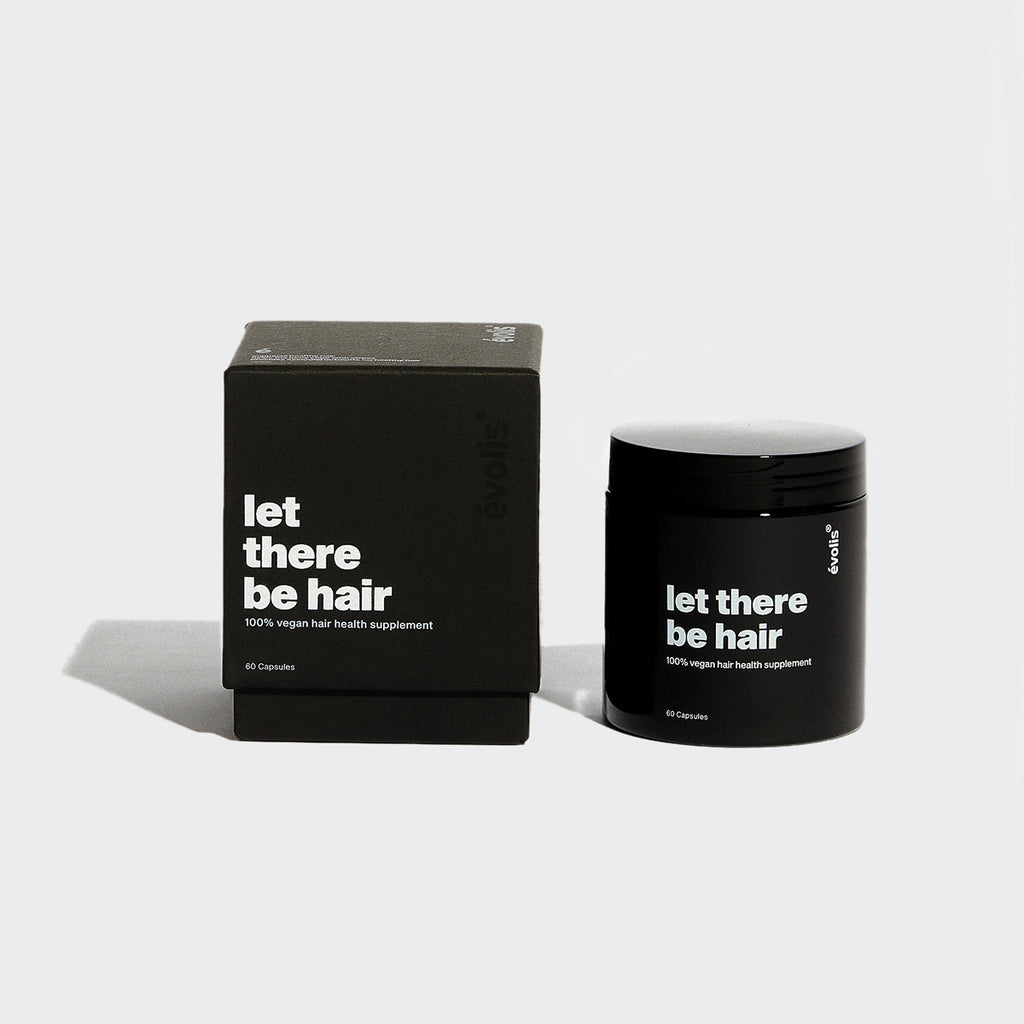
évolis® Professional Hair Health Supplement
- Regular
- $65.00
- Sale
- $65.00
- Regular
-
- Unit Price
- per

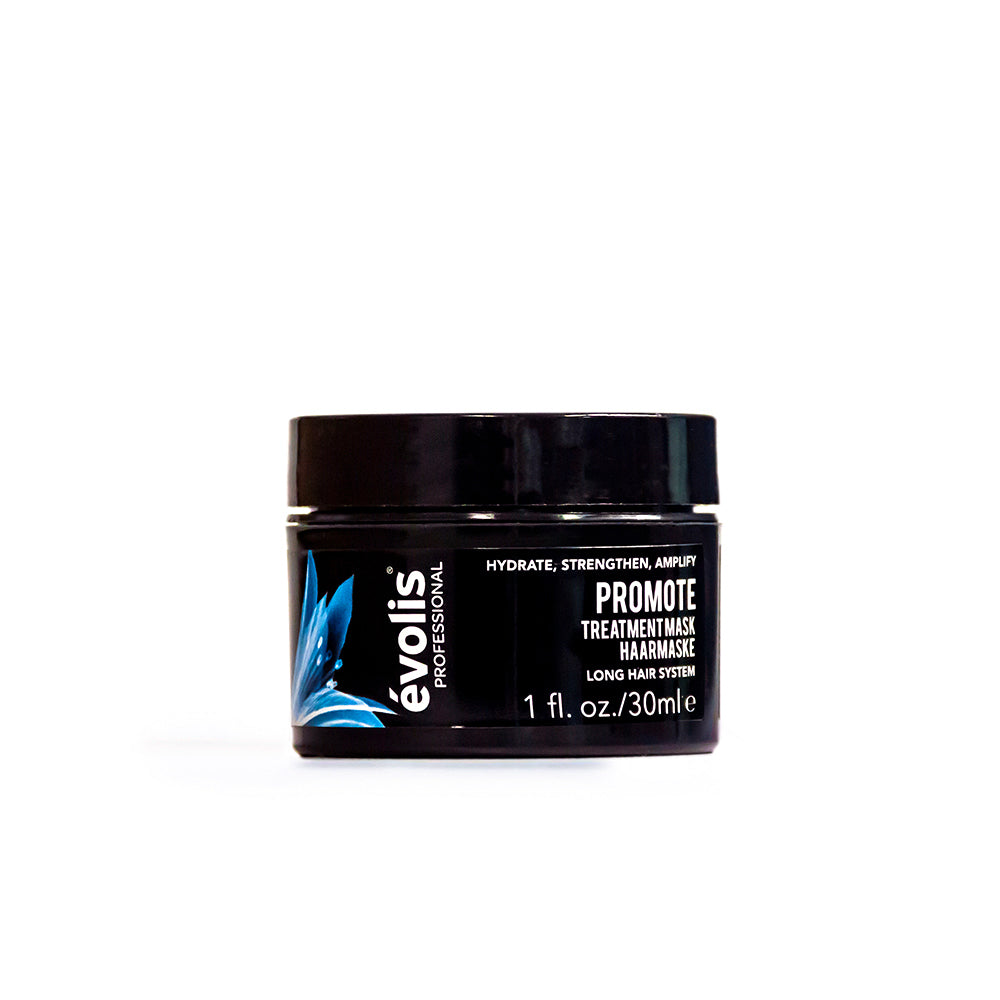
évolis® Professional Promote Treatment Mask - Travel Size (1.0 fl oz)
- Regular
- $9.50
- Sale
- $9.50
- Regular
-
- Unit Price
- per

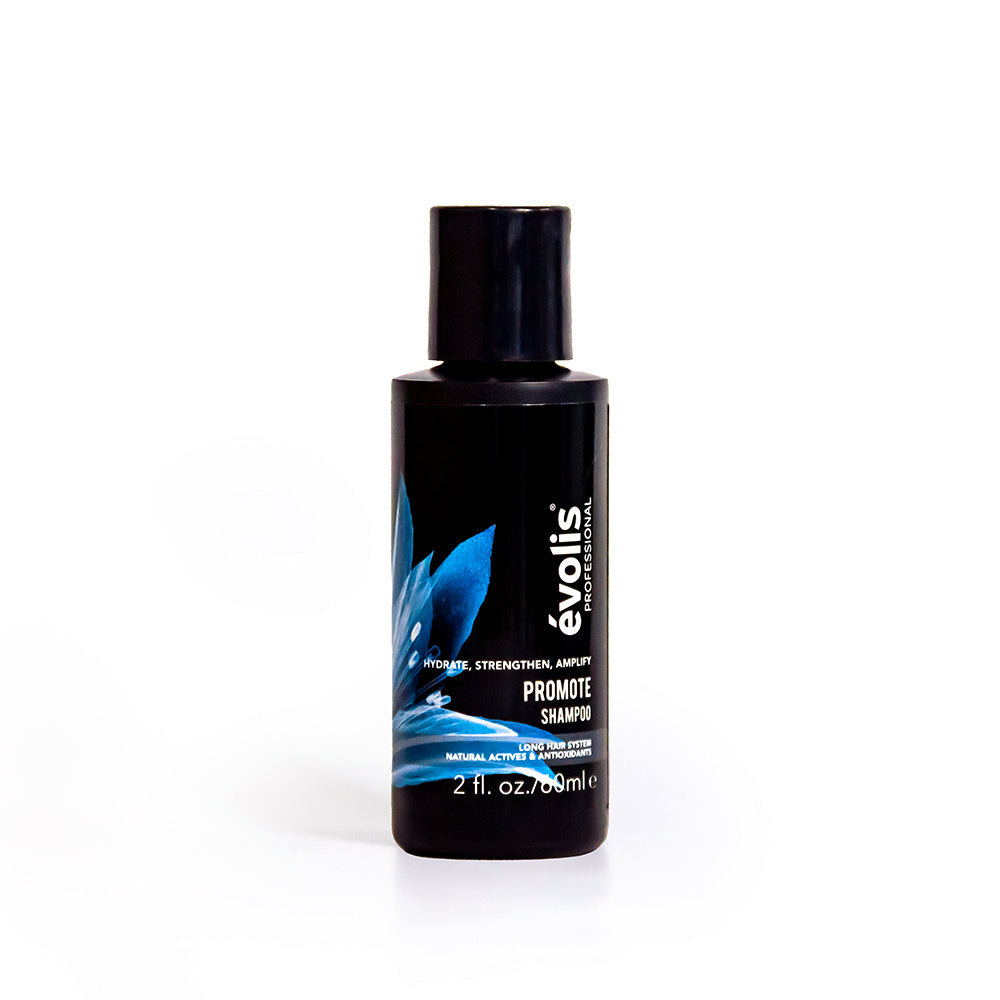
évolis® Professional Promote Shampoo - Travel Size (2.0 fl oz)
- Regular
- $9.50
- Sale
- $9.50
- Regular
-
- Unit Price
- per

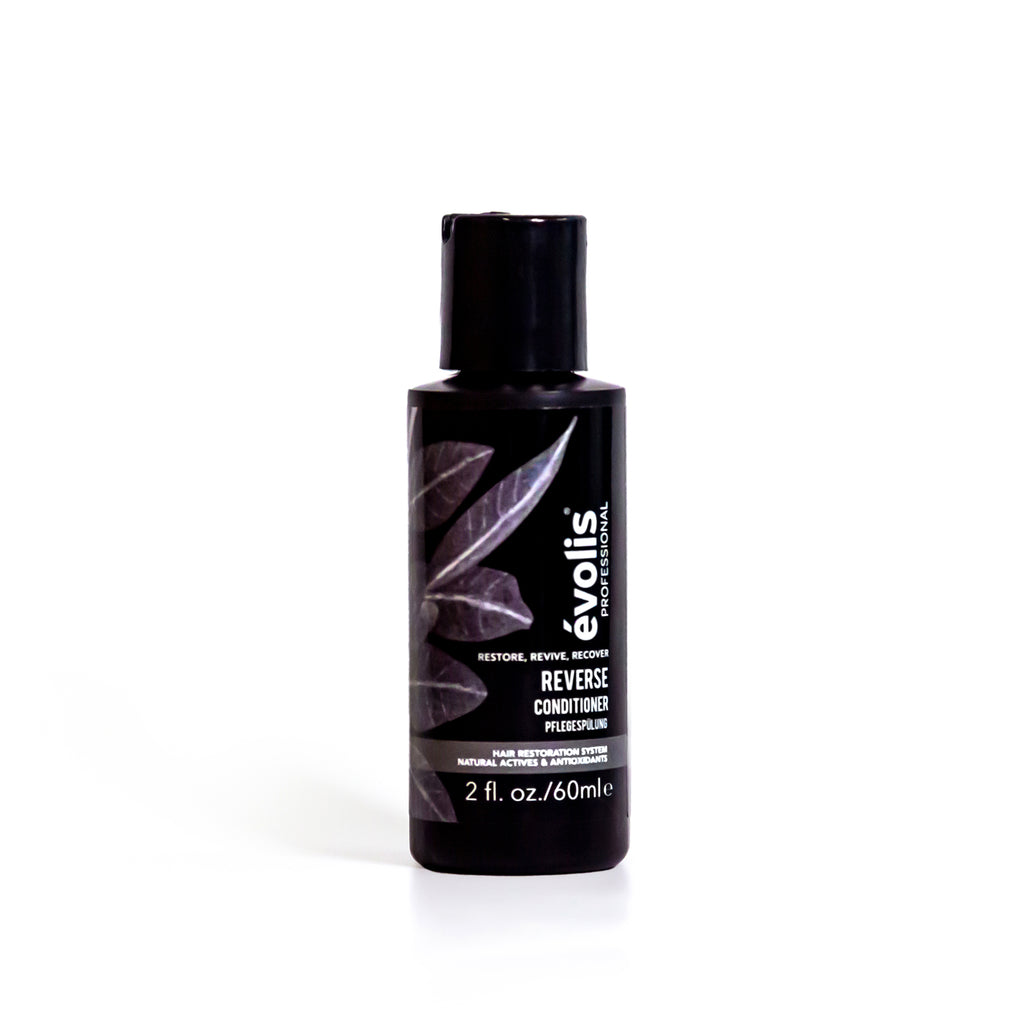
évolis® Professional Reverse Conditioner - Travel Size (2.0 fl oz)
- Regular
- $9.50
- Sale
- $9.50
- Regular
-
- Unit Price
- per

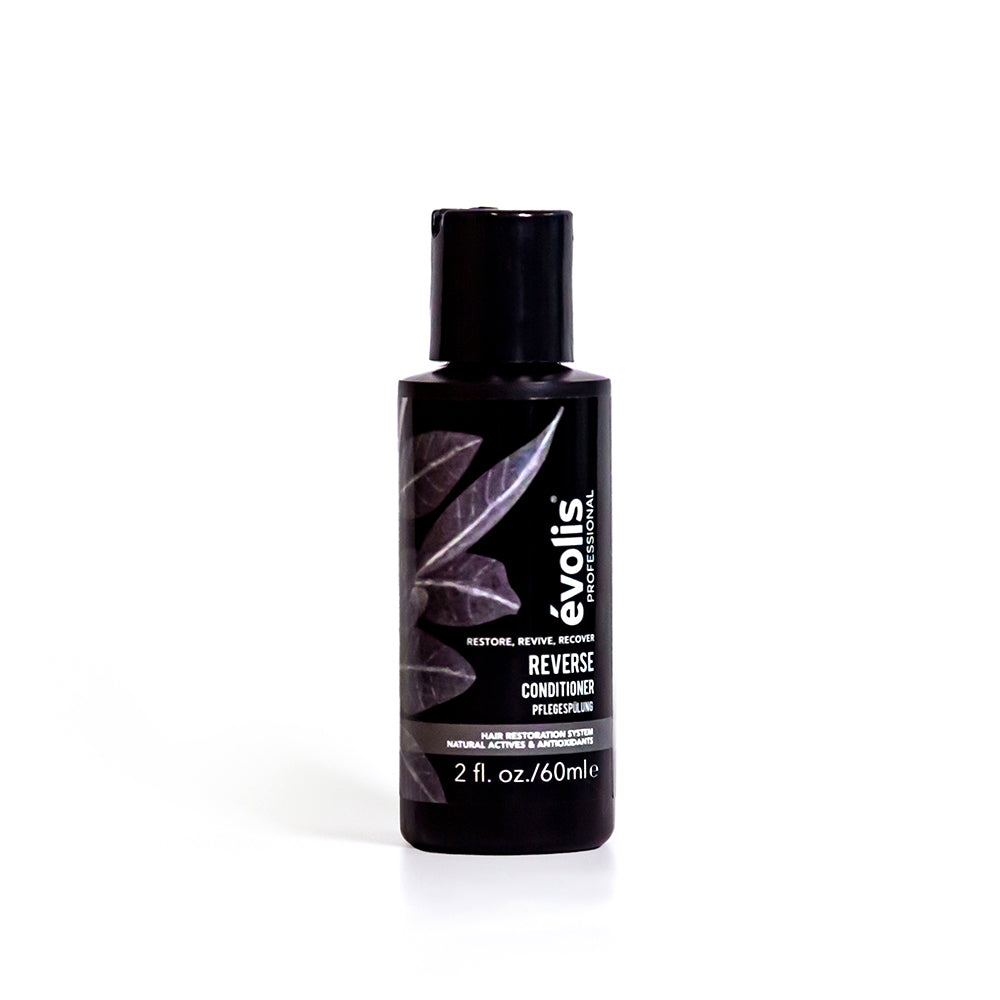
évolis® Professional Promote Conditioner - Travel Size (2.0 fl oz)
- Regular
- $9.50
- Sale
- $9.50
- Regular
-
- Unit Price
- per